
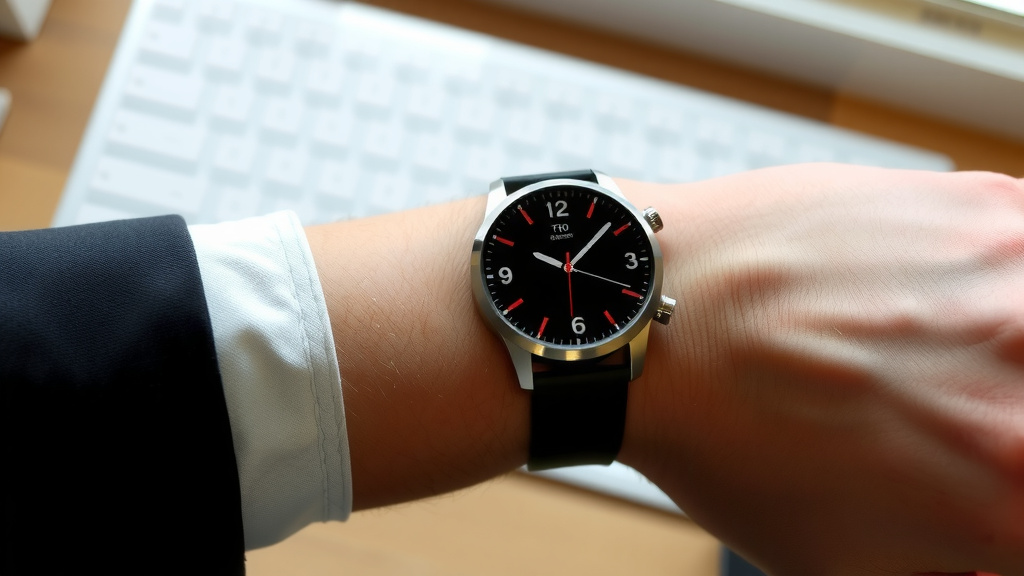
How Smartwatches Measure Blood Sugar Explained
While many smartwatches track activity and heart rate, most cannot directly measure blood sugar. The technology for non-invasive glucose monitoring through a watch is still developing. Some newer devices are exploring this, but they often require calibration with traditional methods. For now, direct blood sugar measurement typically needs a separate device.
This means if you’re looking for a smartwatch to check your glucose levels, you’ll want to be aware of the current limitations. The field is advancing rapidly, and researchers are working hard on wearable solutions that are both accurate and convenient. We’ve looked into what’s available and what’s coming next.
- Most smartwatches don’t measure blood sugar directly yet.
- This technology is still largely in development.
- Accuracy and non-invasive methods are key research areas.
- Some devices may offer limited glucose sensing capabilities.
- Always verify a device’s medical claims.
We’ve gathered information to help you understand the current state of smartwatches and blood sugar monitoring. Let’s walk through what you need to know about this exciting area of wearable tech.
Understanding How Smartwatches Measure Blood Sugar
You might be wondering if your smartwatch can check your blood sugar. It’s a common question, and the answer is a bit complex. While many smartwatches excel at tracking fitness and heart health, most do not directly measure blood glucose levels. This technology is still developing. Researchers are working hard to make it possible.
The Current State of Wearable Glucose Monitoring
Right now, non-invasive blood sugar monitoring through a watch is mostly in the research phase. Think of it like trying to see inside a sealed box without opening it. Scientists are trying to find ways to detect glucose levels through your skin without needing a finger prick. It’s a tough challenge!
Why Isn’t It Readily Available?
There are several hurdles. Glucose molecules are tiny. Detecting them accurately through layers of skin, sweat, and other bodily fluids is difficult. Plus, accuracy is incredibly important. For people managing diabetes, a wrong reading can have serious health consequences. So, any new technology needs to be extremely reliable (National Institutes of Health).
Technologies Being Explored
Researchers are investigating different methods. One approach involves using light. Different wavelengths of light can interact with glucose in your body. By measuring how the light is absorbed or reflected, it might be possible to estimate glucose levels. Another method uses radio waves or microwaves.
Another area of study is using sweat. Your sweat contains trace amounts of glucose. Devices could potentially measure this. However, sweat levels can change based on activity and temperature, making consistent readings a challenge.
Optical and Electrical Methods
Optical methods use infrared or visible light to detect glucose. Electrical methods might look at changes in skin conductivity related to glucose. Each has its own set of technical difficulties to overcome. The goal is to find a method that is both accurate and safe for everyday use.
What About Devices That Claim to Measure Glucose?
You might see some devices advertised with glucose monitoring features. It’s important to be cautious here. Many of these devices are not FDA-approved medical devices. They may offer estimations or rely on data from other sources.
Calibration is Key
Some newer smartwatches or companion devices might claim to sense glucose. Often, these still require you to use a traditional finger-prick glucose meter for calibration. This means the watch isn’t truly measuring on its own. It’s using your traditional readings to predict trends. Always check for regulatory approval for any device making medical claims (Food and Drug Administration).
Smartwatches and Traditional Glucose Monitoring
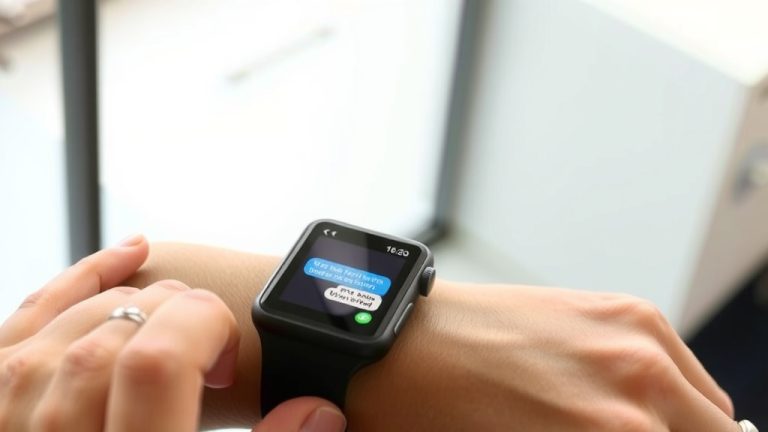
While most smartwatches can’t measure glucose directly, they can be helpful tools for people who manage diabetes. How? By connecting with separate glucose monitoring systems. Many continuous glucose monitors (CGMs) can sync their data to your smartphone. Your smartwatch can then display this information.
Data Syncing and Alerts
This is a big convenience! You can see your glucose trends right on your wrist. You can also set up alerts. If your glucose levels go too high or too low, your watch can notify you. This can be a lifesaving feature for many individuals. It means you don’t always need to pull out your phone or CGM reader.
| Feature | Current Smartwatch Capabilities | Future Possibilities |
|---|---|---|
| Direct Glucose Measurement | Very limited; mostly in research. | Potential for non-invasive, accurate readings. |
| CGM Data Display | Yes, through smartphone integration. | More advanced real-time data and analytics. |
| Alerts & Notifications | Yes, for high/low glucose from CGMs. | Smarter, more personalized alert systems. |
| Activity & Health Tracking | Yes, widely available. | Integrated insights between activity and glucose. |
The Research and Development Outlook
The field is moving quickly. Companies and researchers are investing heavily. They aim to bring accurate, non-invasive glucose monitoring to your wrist. We’ve seen promising developments, but a widely available, reliable smartwatch that measures blood sugar directly is still some time away.
What Experts Are Saying
Many experts in wearable technology and diabetes management agree that this is the next frontier. The convenience factor is huge. Imagine not needing finger pricks or device insertions for routine checks. It could drastically improve the quality of life for millions (Cleveland Clinic).
What You Can Do Now
If you need to monitor your blood sugar, rely on medically approved devices. Talk to your doctor about the best options for you. This might include CGMs or traditional blood glucose meters. Use your current smartwatch for its excellent fitness and health tracking features. And stay informed about new developments in wearable tech!
Key Takeaways for Smartwatch Users
- Most smartwatches cannot measure blood sugar directly.
- Non-invasive glucose sensing is still in development.
- Accuracy and reliability are major challenges.
- Many devices require calibration with traditional meters.
- Check for FDA approval for any medical claims.
- CGM data can often be displayed on your smartwatch.
Conclusion
You’ve learned that while smartwatches are amazing for tracking fitness and heart health, most still can’t measure blood sugar directly. This technology is developing quickly, but non-invasive accuracy is a major hurdle. Some devices might offer estimations or work with other monitors. For now, always rely on medically approved devices for your glucose readings. Talk to your doctor to find the best tools for your needs. Keep an eye on new wearable tech, but prioritize proven methods for your health management.
Frequently Asked Questions
Can I use my current smartwatch to check my blood sugar without any extra devices?
Currently, most smartwatches available to consumers cannot measure blood sugar directly on their own. The technology for accurate, non-invasive glucose monitoring is still in development and not widely implemented in standard smartwatches.
What does “calibration” mean for smartwatches that claim to sense glucose?
Calibration means a device needs to be synced or compared with a reliable blood glucose meter. If a smartwatch requires calibration, it means it’s not measuring glucose independently. It uses your traditional readings to make predictions or estimations.
Are there any smartwatches that are FDA-approved for blood sugar monitoring?
As of now, there are no smartwatches that have received FDA approval for direct, standalone blood glucose monitoring. Always check for official medical device clearance before relying on a device for health decisions.
How can my smartwatch help if it can’t measure my blood sugar?
Your smartwatch can be a great companion for diabetes management by displaying data from a separate Continuous Glucose Monitor (CGM). It can show your glucose trends and alert you to high or low readings, all from your wrist.
When might we see smartwatches that can accurately measure blood sugar without finger pricks?
Researchers are actively working on this, but there’s no set timeline. Experts believe it could be several more years before accurate and reliable non-invasive glucose monitoring is a standard feature in consumer smartwatches.
![7 Best Budget Smart Watch For Android [2026]](https://smartwatchbest.com/wp-content/uploads/2026/08/7-best-budget-smart-watch-for-android-2026-featured-768x432.jpg)
![7 Best Kids Smart Watches 2025 [2026]](https://smartwatchbest.com/wp-content/uploads/2026/08/7-best-kids-smart-watches-2025-2026-featured-768x432.jpg)