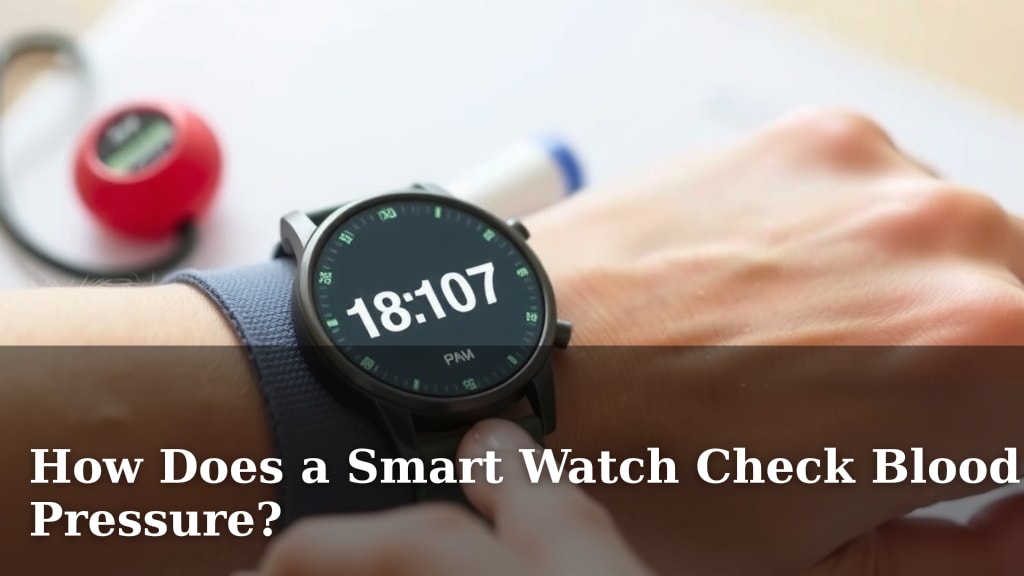
How Does a Smart Watch Check Blood Pressure?
Yes, your smartwatch can check your blood pressure, but not like a traditional cuff. It uses clever sensors to estimate your reading. This is done through a combination of optical sensors and sometimes even an ECG. It’s a handy way to get a general idea of your blood pressure.
This technology often relies on something called photoplethysmography (PPG). This is the same tech used to measure your heart rate. PPG measures changes in blood volume in your wrist. Doctors have found that these readings can offer a good approximation. It’s not a replacement for a medical-grade device yet, but it’s getting smarter.
- Smartwatches use optical sensors to estimate blood pressure.
- This technology is called photoplethysmography (PPG).
- It measures blood volume changes in your wrist.
- Current readings are an approximation, not a medical substitute.
Ready to understand how your watch pulls off this neat trick? Let’s walk through exactly how this works step by step.
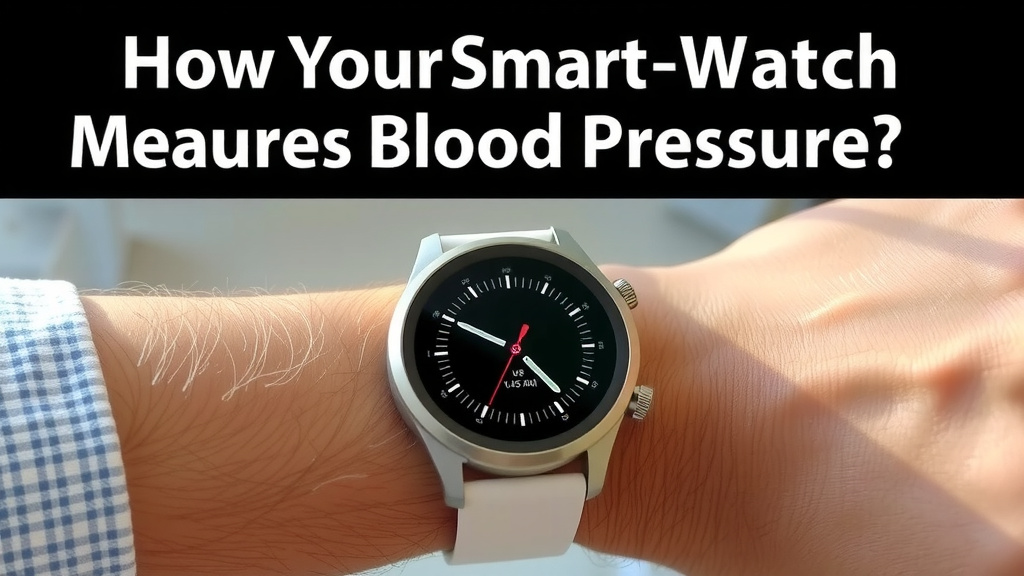
How Your Smartwatch Measures Blood Pressure
It’s a pretty neat trick your smartwatch can do, right? You might wonder, “How does this little gadget on my wrist actually measure something as important as blood pressure?” Well, it’s not quite the same as the bulky cuff your doctor uses. Instead, smartwatches rely on clever sensors and a bit of scientific wizardry.
These watches use light and sometimes electrical signals to get a reading. The technology aims to estimate your blood pressure without needing to squeeze your arm. Think of it as a clever approximation that’s getting better all the time.
The Science Behind the Reading: PPG and ECG
The main technology at play is called photoplethysmography, or PPG for short. You might already be familiar with PPG because it’s the same tech used to measure your heart rate. It works by shining light into your skin and measuring how much light is reflected back.
Understanding Photoplethysmography (PPG)
Your smartwatch has small LED lights on the back. These lights shine green light onto your skin. Your blood absorbs some of this light, and the rest is reflected back to a sensor. When your heart beats, your blood vessels expand slightly. This change in blood volume means more light is absorbed.
The sensor detects these changes in reflected light. It translates them into a pulse signal. This signal shows how much your blood volume is changing with each heartbeat. Researchers have found that patterns in this signal can be linked to blood pressure (NCBI).
It’s important to remember that PPG measures blood volume changes, not pressure directly. Your smartwatch uses algorithms to convert these volume changes into an estimated blood pressure reading. These algorithms are trained on data from many people.
The Role of the ECG Sensor
Some advanced smartwatches also include an electrocardiogram (ECG) sensor. This sensor can measure the electrical activity of your heart. It works by detecting the tiny electrical impulses that cause your heart to beat. You usually need to touch a metal crown or bezel for the circuit to complete.
An ECG can provide a more detailed look at your heart’s rhythm and timing. When combined with PPG data, the ECG can help improve the accuracy of blood pressure estimations. It provides an extra layer of information about how your heart is functioning.
The combination of PPG and ECG can offer a more accurate picture. It allows the watch’s software to analyze pulse wave velocity and other metrics. These are key indicators that can be correlated with blood pressure levels. It’s like having two sets of eyes looking at the problem.
How Your Smartwatch Calibrates for Accuracy
For your smartwatch to give you a useful blood pressure estimate, it needs calibration. This means you’ll have to pair it with a traditional blood pressure cuff. You’ll take readings with both devices at the same time.
The Calibration Process Explained
Typically, you’ll need to calibrate your watch at least once every month. Some devices might suggest calibration more often. This process involves taking several readings with a standard cuff and entering them into your watch’s app. The smartwatch then uses this information to fine-tune its own measurements.
Think of it like teaching the watch your personal “normal.” Since everyone’s body is a little different, this calibration helps the watch’s algorithm understand your unique physiology. It adjusts its estimations based on your actual blood pressure readings.
Why Regular Calibration is Key
Why is this step so important? Because the relationship between blood volume changes and actual blood pressure can vary from person to person. Factors like skin tone, body temperature, and even how you’re holding your arm can affect PPG readings. Calibration helps the watch account for these individual differences.
If you don’t calibrate regularly, the accuracy of your smartwatch’s blood pressure readings can drift. This means they might become less reliable over time. It’s a small step that makes a big difference in how trustworthy the readings are.
Limitations and What to Expect
While smartwatch blood pressure monitoring is impressive, it’s not a perfect replacement for medical devices. It’s crucial to understand its limitations. These devices are designed to give you a general idea of your blood pressure trends.
Not a Medical-Grade Device
Doctors and health organizations emphasize that most smartwatches are not FDA-approved as medical devices for diagnosing or treating hypertension. The readings are considered estimations. They are excellent for tracking patterns and potential changes over time.
However, if you need precise blood pressure measurements for medical management, you should still rely on a certified, traditional blood pressure monitor. These devices undergo rigorous testing for accuracy. They are the standard of care in clinical settings.
Factors Affecting Accuracy
Several factors can influence the accuracy of your smartwatch readings. These include:
- Movement during the reading.
- Skin temperature (cold hands can affect readings).
- How tightly the watch is worn.
- Skin tone and tattoos under the sensor.
- Certain medical conditions or medications.
Even the way you position your arm can play a role. For the best results, always follow the instructions provided by your watch manufacturer. Ensure you’re in a relaxed state when taking a reading.
When to Consult a Doctor
If your smartwatch readings consistently show a significant change or a reading outside your normal range, it’s a good reason to check in with your doctor. Use the data from your watch as a conversation starter during your appointments. It can provide valuable context for your healthcare provider.
Don’t use your smartwatch readings to self-diagnose or change your medication without professional advice. Always discuss any health concerns or changes in your readings with a qualified medical professional. They can help you interpret the data in the context of your overall health.
Getting the Most Out of Your Smartwatch BP Monitor
To make sure your smartwatch is giving you the most helpful information, there are a few best practices to keep in mind.
Here’s a quick checklist:
- Always calibrate your watch with a cuff as recommended.
- Take readings when you are relaxed and still.
- Ensure the watch is snug but comfortable on your wrist.
- Follow the manufacturer’s specific instructions for taking readings.
- Use the readings as a trend tracker, not a diagnostic tool.
- Consult your doctor about any concerning readings.
Conclusion
Your smartwatch offers a convenient way to keep an eye on your blood pressure trends. By using optical sensors (PPG) and sometimes ECG data, it estimates your readings. Remember, these are approximations, not medical diagnoses. Regular calibration with a traditional cuff is key for accuracy. Use this technology as a tool to inform discussions with your doctor. It’s about staying more aware of your body’s signals. Keep tracking, stay informed, and always consult your healthcare provider for personalized advice.
Frequently Asked Questions
Can my smartwatch replace my doctor’s blood pressure cuff?
No, your smartwatch is not a medical-grade device. It provides estimations to help you track trends. For accurate medical readings and diagnosis, you must still use a certified blood pressure monitor prescribed by your doctor.
How often should I calibrate my smartwatch for blood pressure readings?
Most smartwatches recommend calibrating at least once a month. Some might suggest more frequent calibration. This ensures the watch’s algorithm accurately reflects your personal blood pressure, as individual factors can affect readings.
What are the main technologies smartwatches use for blood pressure?
The primary technology is photoplethysmography (PPG), which uses light to detect blood volume changes in your wrist, similar to heart rate monitoring. Some advanced models also use ECG sensors to measure your heart’s electrical activity, enhancing accuracy.
Will my smartwatch work if my wrist is cold?
Cold temperatures can affect blood flow to your extremities, potentially impacting the accuracy of PPG readings. For the best results, ensure your wrist is warm and you are in a relaxed state before taking a measurement.
What should I do if my smartwatch shows a high blood pressure reading?
If your smartwatch consistently shows readings outside your normal range or what you expect, it’s a signal to consult your doctor. Do not adjust medication based on smartwatch data alone. Use these readings as a prompt for a professional medical discussion.
![7 Best Android Smart Watch For Health [2026]](https://smartwatchbest.com/wp-content/uploads/2026/06/7-best-android-smart-watch-for-health-2026-featured-768x432.jpg)
![7 Best Smart Hybrid Watches [2026]](https://smartwatchbest.com/wp-content/uploads/2026/08/7-best-smart-hybrid-watches-2026-featured-768x432.jpg)