How Do Smart Watches Measure Blood Sugar?
Smartwatches do not currently measure blood sugar directly from your skin. While some devices can estimate glucose levels using non-invasive methods, these are still experimental technologies and not yet widely available or approved for medical use. For accurate blood sugar readings, you’ll typically still need a traditional glucose meter or a continuous glucose monitor (CGM).
The technology that could allow smartwatches to measure blood sugar is complex. Researchers are exploring various methods, including using light or radio waves to detect glucose levels. Many companies are working on this, but achieving the necessary accuracy and reliability for everyday health management is a major challenge. It’s an exciting area of innovation, though!
- Smartwatches can’t measure blood sugar directly yet.
- New non-invasive tech is in development.
- Accuracy is the biggest hurdle for these new methods.
- Traditional meters and CGMs are still the standard for now.
We know you’re curious about how smartwatches might change the way we monitor our health. Let’s look closer at the science and what the future holds for blood sugar tracking on your wrist.
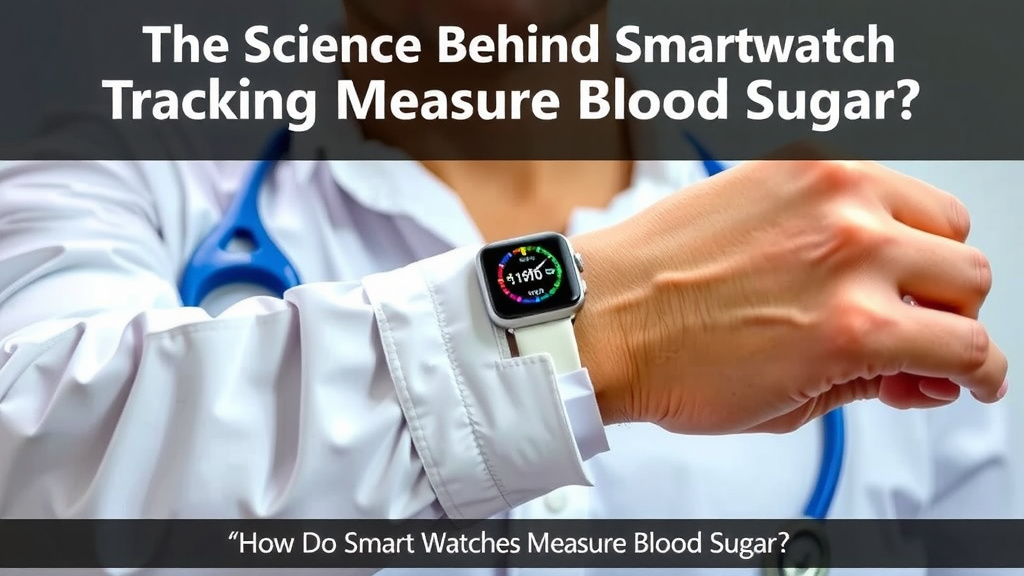
The Science Behind Smartwatch Glucose Tracking
You’re probably wondering if your smartwatch can ditch the finger pricks soon. It’s a question many of us have! Right now, the short answer is no, not reliably for medical purposes. While many smartwatches track your heart rate, sleep, and even ECGs, measuring blood sugar is a whole different ballgame. Researchers are actively working on it, though. They’re exploring ways your watch could peek at your glucose levels without drawing blood.
Non-Invasive Glucose Monitoring: The Dream
Imagine checking your blood sugar with a simple glance at your wrist. That’s the goal of non-invasive glucose monitoring. This means using methods that don’t break the skin. Think of it like a thermostat sensing room temperature without sticking a thermometer into the wall. Scientists are experimenting with different technologies to achieve this holy grail of health tracking.
How Researchers Are Trying to Make it Happen
Several promising avenues are being explored. One popular method involves using optical sensors. These sensors might shine light through your skin. Different wavelengths of light can be absorbed differently by substances in your body, including glucose. By analyzing how the light changes, the device could estimate glucose levels. This is similar to how pulse oximeters measure blood oxygen.
Another approach uses radio frequency waves. These waves could also pass through the skin. Glucose molecules might interact with these radio waves in a way that can be detected. Researchers are trying to fine-tune these signals. They need to isolate the glucose signature from all the other things happening in your body.
Some companies are looking into analyzing other bodily fluids. Sweat, for example, contains small amounts of glucose. If a smartwatch could precisely measure glucose in sweat, it might offer a way to track trends. However, sweat levels can fluctuate based on exercise and environment, making it tricky to get an accurate reading of blood glucose.
Why Is This So Difficult?
Getting an accurate blood sugar reading is incredibly important for managing conditions like diabetes. Even small errors can lead to poor health decisions. This is why the bar is set so high for any new technology. The body is a very complex system. Glucose is just one of many substances circulating in your bloodstream.
Distinguishing the signal for glucose from all the other “noise” is a major challenge. Factors like skin hydration, temperature, and even what you’ve recently eaten can affect readings. Researchers need to account for all these variables to ensure reliability. Many expert groups emphasize that any non-invasive method must be as accurate as current medical devices (National Institute of Standards and Technology).
The Accuracy Hurdle
For a smartwatch to be useful for blood sugar monitoring, its readings must be extremely accurate. Doctors and patients rely on precise numbers to make critical decisions about medication, food, and exercise. A reading that’s even slightly off could have serious consequences. This is why regulatory bodies like the FDA have strict standards for medical devices.
Current non-invasive methods, while showing potential in lab settings, often struggle to meet these accuracy requirements in real-world conditions. They might work well for some people but not others. Or they might be accurate one day but less so the next. That’s a big problem for something that needs to be dependable day in and day out.
Current Ways to Track Blood Sugar on Your Wrist (Sort Of)
While your watch can’t directly measure glucose yet, some smartwatches and fitness trackers can work *with* existing medical devices. This is where your wearable can actually be a helpful tool for diabetes management today.
Connecting with Continuous Glucose Monitors (CGMs)
This is the most common way smartwatches interact with blood sugar data. If you use a Continuous Glucose Monitor (CGM), you likely have a small sensor inserted under your skin. This sensor measures glucose in your interstitial fluid (the fluid between your cells) constantly.
Many CGMs can transmit your glucose readings wirelessly to a smartphone app. Your smartwatch can then often display these readings. You might see your current glucose level, trend arrows (indicating if your sugar is rising or falling), and even receive alerts for highs or lows directly on your watch face. This means you don’t have to pull out your phone every time you want to check.
This setup is incredibly convenient. It keeps your vital glucose information accessible at a glance. Many people with diabetes find this integration a huge convenience. It makes managing their condition feel less intrusive. You can stay informed during meetings, workouts, or any time you’re on the go.
What This Means for You
Think of your smartwatch as a display screen for your CGM data. It’s not doing the measuring itself. It’s acting as a remote display, like a TV showing a signal from a camera. This is a significant step, but it relies on having a separate, medically approved CGM device. For now, this is the safest and most reliable way to see your glucose trends on your wrist.
The Role of Fitness Trackers and Smart Scales
Some fitness trackers and smart scales might claim to measure glucose. We found that these claims often lack scientific backing. They may use algorithms based on heart rate variability or other sensor data to *estimate* glucose trends. However, these methods are not medically validated. They are not approved for diagnosing or managing diabetes.
It’s important to be cautious. Relying on unproven methods could lead to misinformation. This might result in incorrect health decisions. Always consult with your doctor about how to monitor your blood sugar. They can guide you toward accurate and approved methods. Traditional blood glucose meters and CGMs remain the gold standard.
What to Look For in a Smartwatch for Diabetes Management
If you have diabetes and are looking for a smartwatch, focus on its ability to sync with your existing medical devices, especially your CGM. Check for compatibility with popular CGM apps. The best smartwatches for this purpose will offer:
- Seamless integration with CGM apps.
- Real-time glucose data display on the watch face.
- Customizable alerts for high and low glucose levels.
- The ability to log meals or insulin doses from the watch.
- Good battery life so it lasts through the day.
These features can truly enhance your diabetes management routine. They make staying on top of your numbers much easier and less of a chore.
Conclusion
While the dream of a smartwatch measuring your blood sugar directly is exciting, current technology still relies on traditional methods. Researchers are working hard on non-invasive techniques, but accuracy remains a major hurdle. For now, the best way your watch can help manage blood sugar is by syncing with a medically approved Continuous Glucose Monitor (CGM). Focus on smartwatches that offer seamless integration with your CGM. Always consult your doctor for the most reliable glucose monitoring advice and approved devices.
Frequently Asked Questions
Will smartwatches ever be able to measure blood sugar without a finger prick?
Scientists are actively researching non-invasive methods using light or radio waves to detect glucose. While promising, these technologies are still experimental. They face significant challenges in achieving the medical-grade accuracy needed for reliable blood sugar monitoring.
Can my current smartwatch detect my blood sugar levels?
Most smartwatches today cannot directly measure blood sugar. They can, however, display data from a separate Continuous Glucose Monitor (CGM). This allows you to see your glucose trends on your wrist without needing to check a separate device.
What are the biggest challenges for smartwatch blood sugar tracking?
The main challenge is achieving high accuracy and reliability. Glucose levels are influenced by many bodily factors, and distinguishing the glucose signal from other “noise” is very difficult. Readings must be precise for safe health decisions.
Are there smartwatches specifically designed for diabetes management?
While no smartwatch measures blood sugar on its own, many are designed to enhance diabetes management. Look for models that offer excellent integration with popular CGM apps, real-time data display, and customizable alerts for glucose highs and lows.
Should I trust fitness trackers that claim to measure blood sugar?
Be cautious of fitness trackers claiming to measure blood sugar without using a CGM. These methods are often not scientifically validated or approved for medical use. Always rely on medically approved devices like CGMs and traditional glucose meters for accurate readings.