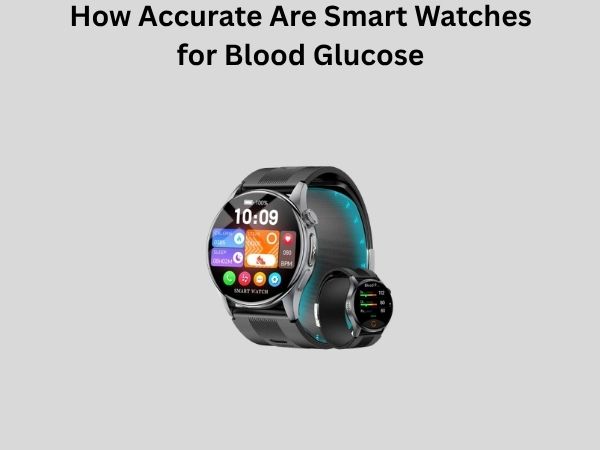
How Accurate Are Smart Watches for Blood Glucose? What You Must Know
Picture this—you’re sitting at your desk, and your wrist suddenly alerts you that your blood sugar levels are trending downward. No finger pricks, no invasive procedures, just a gentle notification from your smartwatch. Sounds like science fiction, right? Well, we’re living in an era where technology is bringing us closer to seamless health monitoring than ever before. Smartwatches have evolved from simple step counters to sophisticated health devices, and blood glucose monitoring is becoming one of their most anticipated features.
But here’s the million-dollar question: just how accurate are these devices when it comes to measuring your blood sugar? If you’re diabetic, pre-diabetic, or simply curious about your glucose levels, you deserve to know the truth before you invest in one of these wearables. Let’s dive deep into what these devices can and cannot do.
Understanding How Smartwatches Measure Blood Glucose
The Optical Sensing Technology
Most smartwatches that claim to measure blood glucose use optical sensors mounted on the back of the device. Think of it like this—your blood absorbs light differently depending on its glucose content. The smartwatch emits light at various wavelengths and measures how much light bounces back. This is called photoplethysmography, and it’s been around for years in medical devices.
These sensors can detect subtle changes in light absorption patterns, which theoretically correlate with blood glucose levels. However, there’s a catch. The human body is incredibly complex, and measuring something through the skin of your wrist involves navigating numerous variables that can throw off accuracy.
Non-Invasive Versus Invasive Methods
Traditional glucose meters require a small blood sample obtained by pricking your finger. It’s invasive, yes, but it gives you actual blood chemistry data. Smartwatches, on the other hand, are completely non-invasive—they measure changes in your blood composition without breaking the skin. This convenience factor is huge, but it comes with trade-offs in accuracy.
The Technology Behind Glucose Tracking in Wearables
Spectroscopy and Light Wavelengths
The magic happens through spectroscopy. Different substances absorb and reflect light at different wavelengths. When your blood glucose levels change, the optical properties of your blood change too. Advanced smartwatches use multiple light emitters and sensors to create a sophisticated picture of what’s happening beneath your skin.
However, getting an accurate reading isn’t straightforward. Your skin thickness, blood flow, pigmentation, and even the tightness of the watch band can interfere with these measurements. It’s like trying to read a book through frosted glass—you can make out some details, but critical information gets lost in translation.
Machine Learning Algorithms
Here’s where smartwatches get clever. Modern devices don’t just rely on raw sensor data. They use artificial intelligence and machine learning algorithms that have been trained on thousands of data points. These algorithms learn patterns unique to each individual user and adjust readings accordingly.
This personalization is powerful, but it also means that a smartwatch needs time to calibrate itself to your body. During the initial weeks of use, accuracy might be lower as the device learns your baseline patterns.
Accuracy Rates: What Does the Research Say?
Clinical Study Findings
Several clinical trials have tested smartwatch glucose monitoring capabilities, and the results are mixed. Some studies show that optical-based smartwatches have an accuracy rate between 60 to 75 percent when compared to laboratory blood glucose measurements. To put that in perspective, FDA-approved glucose meters typically have accuracy rates above 95 percent.
This significant gap is important to understand. We’re not talking about small discrepancies here—we’re talking about a smartwatch potentially missing meaningful changes in your glucose levels up to 25 to 40 percent of the time.
Factors That Influence Published Accuracy Numbers
- Population size tested in the study
- Diversity of age groups and body types
- Duration of the trial period
- Whether participants had calibrated the device properly
- Environmental conditions during testing
- Individual differences in skin composition and blood flow
Smartwatches Versus Traditional Glucose Meters: A Direct Comparison
Finger-Stick Meters
Traditional glucose monitors are the gold standard. You prick your finger, place a drop of blood on a test strip, and within seconds, you have an accurate reading. The accuracy is there because you’re measuring actual blood chemistry. The downside? It’s uncomfortable, requires carrying supplies, and you need to do it multiple times daily if you’re managing diabetes.
Continuous Glucose Monitors (CGMs)
CGMs, like those made by Dexcom or Abbott, are adhesive sensors you place on your skin that measure glucose levels in the interstitial fluid every few minutes. These are more accurate than smartwatch optical sensors and are FDA-approved medical devices. They typically have accuracy rates of 85 to 95 percent. However, they’re more expensive and require regular replacement.
Smartwatches in the Comparison
Smartwatches currently fall somewhere between traditional meters and CGMs in terms of technology, but they’re not quite as accurate as either option. Think of them as a convenient option for general health awareness rather than a medical-grade tool for diabetes management.
Factors That Affect Smartwatch Blood Glucose Accuracy
Skin Properties and Pigmentation
Here’s something you might not realize—your skin’s optical properties matter tremendously. People with darker skin tones often experience reduced accuracy with optical sensors because melanin affects how light passes through and reflects from the skin. This is a significant equity issue that manufacturers are working to address.
Skin thickness, dryness, and texture also play roles. If you have calloused skin or certain skin conditions, the optical signal might be compromised.
Placement and Fit
How tightly you wear your smartwatch matters more than you’d think. A loose fit means more movement and inconsistent light contact with your wrist. The placement on your wrist also matters—some spots have better blood flow and more consistent optical properties than others.
Time of Day and Circadian Rhythms
Your blood glucose naturally fluctuates throughout the day and night. Additionally, your body’s response to meals, stress, and exercise varies. Smartwatches might perform better during certain times of day or under specific conditions, leading to inconsistent accuracy.
Individual Metabolic Differences
Every body is unique. Two people with the same smartwatch might experience different accuracy levels based on their metabolism, circulation patterns, and how their body chemistry reflects light. This is why machine learning personalization is important but also why it takes time to work effectively.
Physical Activity and Movement
When you exercise or move around, your blood flow increases, your heart rate changes, and your body temperature might rise. All of these factors can interfere with the optical sensors’ ability to get accurate readings. This is particularly problematic if you’re active throughout the day.
Limitations and Challenges of Current Smartwatch Technology
The Calibration Problem
Most smartwatch glucose-monitoring features still require some form of calibration using traditional glucose meters. This defeats part of the purpose of having a non-invasive device. You’re still doing finger pricks, just less frequently.
Lag Time in Readings
Unlike CGMs that measure glucose in your interstitial fluid continuously, smartwatches take snapshots. There can be delays between when your blood glucose actually changes and when the device detects it. For someone managing diabetes actively, this lag could be problematic.
Environmental Sensitivity
Sunlight, extreme cold, and heat can all affect optical sensor performance. If you spend a lot of time outdoors or in varying temperatures, you might get less reliable data.
The Missing Medical Approval
Most smartwatch glucose monitoring features haven’t received FDA approval as medical devices. This means they’re marketed as general wellness tools, not diagnostic or treatment devices. This distinction is crucial when it comes to trusting the data for health decisions.
Best Practices for Getting Reliable Smartwatch Glucose Readings
Consistent Wear and Positioning
If you’re using a smartwatch for glucose monitoring, wear it consistently in the same position. Keep it snug but not uncomfortably tight. This consistency helps the device’s algorithms learn your patterns more effectively.
Allow for Calibration Period
Don’t expect accuracy from day one. Most smartwatch glucose monitors improve their accuracy after two to three weeks of consistent use as machine learning algorithms adapt to your physiology.
Cross-Check with Traditional Meters
If you rely on glucose readings for health decisions, verify smartwatch readings with traditional finger-stick meters, especially before meals or when you’re feeling symptomatic. Think of the smartwatch as a helpful trend indicator rather than your sole source of truth.
Keep Your Wrist Clean
Dirt, sweat, and debris can interfere with optical sensors. Keep the underside of your watch clean and your wrist dry when possible.
Avoid Excessive Movement During Readings
When you’re taking a reading, try to keep your wrist still for a few seconds. Movement can cause the optical signal to fluctuate and reduce accuracy.
Which Smartwatches Actually Offer Glucose Monitoring?
Current Market Options
As of now, several manufacturers have announced glucose-monitoring features for their smartwatches, though full rollouts are still happening. Samsung has been working on integrating glucose monitoring into their Galaxy Watch line, and several other manufacturers are developing similar features.
However, it’s important to note that many of these features are still in beta testing or limited availability. Not every smartwatch on the market can measure glucose, and the ones that can vary significantly in accuracy.
The Development Timeline
The technology is relatively new in the consumer space. While companies have been researching and developing these features for years, actual consumer products with reliable glucose monitoring are just beginning to hit the market. Expect continued improvements and refinements over the next few years.
The Future of Wearable Glucose Technology
Emerging Technologies on the Horizon
Researchers are working on several promising technologies. Transdermal sensors that measure glucose through the skin using electrical currents show promise. Thermal imaging and Raman spectroscopy are also being explored. Some scientists are even investigating non-optical methods that might be more reliable than current smartwatch approaches.
Integration with AI and Predictive Analytics
The next generation of glucose-monitoring wearables will likely use advanced AI to not just measure current glucose levels but predict future trends. Imagine a device that can warn you that your glucose is about to spike based on historical patterns and current activity levels.
Regulatory Pathway Changes
As technology improves, we’ll likely see more FDA approvals for wearable glucose monitors as medical devices. This regulatory acceptance will drive further innovation and standardization in the field.
Real-World User Experiences with Smartwatch Glucose Monitoring
What Users Are Saying
Early adopters of smartwatch glucose monitoring have mixed reviews. Some users appreciate the convenience and find the trend data helpful for understanding their glucose patterns, even if absolute accuracy isn’t perfect. Others have been disappointed by inconsistency and have reverted to traditional methods.
Health enthusiasts without diabetes tend to be more satisfied with the feature since they’re not relying on it for critical health management. However, individuals with type 1 diabetes—where precise glucose control is essential—generally remain skeptical of smartwatch accuracy.
The Psychological Impact of Continuous Monitoring
Having glucose data on your wrist throughout the day can be motivating for some people but anxiety-inducing for others. The constant notifications and trend arrows can lead to overthinking minor fluctuations in glucose levels.
Cost Considerations and Accessibility
Price Points
Smartwatches with glucose-monitoring capabilities typically cost between three hundred and eight hundred dollars. That’s more expensive than standard smartwatches but potentially less expensive than a dedicated CGM system over time.
Insurance and Reimbursement
Currently, most insurance companies don’t cover smartwatch glucose monitoring since it’s not FDA-approved as a medical device. This means you’re paying out of pocket for the feature.
Accessibility Disparities
The accuracy issues we discussed earlier, particularly with different skin tones, create accessibility concerns. It’s crucial that manufacturers ensure their devices work equitably for all users before widespread adoption.
Safety and Regulatory Concerns
The Importance of FDA Approval
Without FDA approval, smartwatch glucose monitors are marketed as wellness devices, not medical instruments. This means there’s less rigorous testing and oversight. If you’re using glucose readings to make medical decisions, this lack of regulatory oversight is a serious consideration.
False Sense of Security
There’s a risk that relying on an inaccurate device might give you a false sense of security about your glucose control. Mismanaging diabetes based on inaccurate readings can have serious health consequences.
The Need for User Education
Manufacturers have a responsibility to clearly communicate the limitations of their devices. Users need to understand that these are supplementary tools, not replacements for medical-grade glucose monitoring.
Integration with Health Apps and Ecosystems
Seamless Data Synchronization
One advantage of smartwatch glucose monitoring is integration with health apps and your personal health ecosystem. Data can sync automatically with apps like Apple Health or Google Fit, creating a comprehensive picture of your health.
Trend Analysis and Insights
Even if absolute accuracy isn’t perfect, the ability to see glucose trends over time can be valuable. Apps that integrate smartwatch data can identify patterns and provide insights about how specific meals, activities, or stress
![7 Smart Watch The Best [2026]](https://smartwatchbest.com/wp-content/uploads/2026/06/7-smart-watch-the-best-2026-featured-768x432.jpg)