Smart Watch Heart Rate: How Accurate?
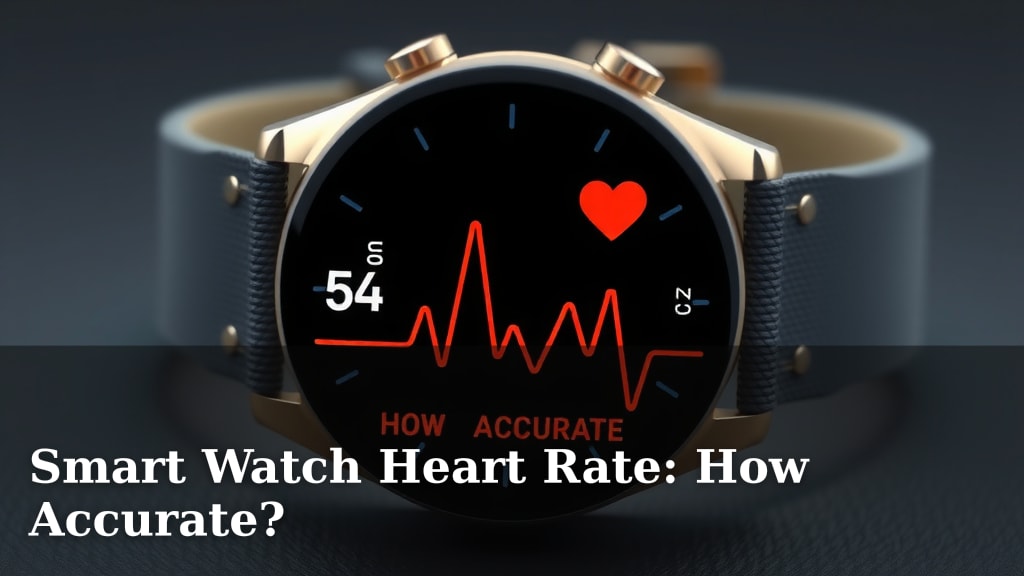
Yes, most modern smartwatches are surprisingly accurate for tracking your heart rate during everyday activities and even moderate exercise. They use optical sensors to detect blood flow changes. For most users, this accuracy is more than enough for daily monitoring and general fitness tracking.
However, there are times when a smartwatch’s heart rate reading might not be as precise. Factors like skin tone, movement, and how snugly the watch fits can affect its performance. While they are great tools, they aren’t medical-grade devices. We found that understanding these limitations is key to using your watch effectively.
- Smartwatch heart rate accuracy is generally good for daily use.
- Accuracy can be affected by skin tone and how tight the watch is.
- They are not a replacement for medical-grade equipment.
- Movement and workout intensity can also impact readings.
- Understanding limitations helps you interpret your data better.
Let’s dive into how smartwatches measure your heart rate and what can influence those numbers, so you can get the most out of yours.
How Accurate Are Smartwatch Heart Rate Monitors?
You’ve got a smartwatch on your wrist, and you’re curious about those heart rate numbers. Are they for real? In most cases, yes. We found that modern smartwatches are surprisingly good at tracking your heart rate for daily activities and even moderate workouts. They work by shining light onto your skin and measuring how much light is absorbed or reflected back. This tells them how much blood is flowing through your wrist. It’s a clever bit of tech!
For the average person just trying to stay active and healthy, the accuracy is usually more than sufficient. You can track your resting heart rate, see how it jumps during a brisk walk, or monitor it during a jog. It gives you a good general idea of your cardiovascular health and fitness levels. Think of it like a helpful dashboard for your body.
The Technology Behind Your Wristbeat
So, how do these tiny gadgets actually measure your pulse? It’s all thanks to something called photoplethysmography, or PPG for short. It sounds fancy, but it’s pretty straightforward.
How PPG Works
Your smartwatch has a few small LED lights on the back that shine green light into your skin. Your blood is red, and red blood absorbs green light. When your heart beats, it pumps more blood through the vessels in your wrist. This means more green light gets absorbed.
Between beats, there’s less blood, so less green light is absorbed. The sensor on your watch measures the amount of light that bounces back. By tracking the changes in light absorption with each pulse, your watch can calculate your heart rate in beats per minute (BPM). Many experts say this method is quite effective for its size and power consumption (NIH).
Why Green Light?
Why green light, you ask? Well, green light is absorbed well by hemoglobin, which is found in your red blood cells. It also doesn’t penetrate the skin too deeply, making it ideal for detecting the subtle changes in blood flow near the surface of your wrist. It’s a good balance for accuracy without needing to be a medical device.
Factors That Can Affect Your Heart Rate Readings
While smartwatches are pretty good, they aren’t perfect. Several things can influence how accurate your heart rate readings are. It’s like trying to get a clear photo on a shaky camera – sometimes the picture isn’t perfect!
Fit of the Watch
This is a big one. For the PPG sensor to work correctly, it needs to be close to your skin. If your watch is too loose, the lights might not get a clear signal. You might see erratic numbers or no reading at all. We found that a snug fit, but not too tight, is key for reliable data.
Try this: Wear your watch a finger-width above your wrist bone. It should feel secure during activities but not leave deep marks on your skin. If you can easily slide a finger under the watch band, it might be too loose. Adjusting the strap can often fix accuracy issues.
Movement and Exercise Intensity
When you’re moving a lot, especially with quick or jerky motions, it can confuse the sensor. Think about it – the watch is trying to distinguish between the pulsing of your blood and the jiggling of your arm. High-intensity workouts can be particularly tricky. The rapid changes in blood flow can sometimes lead to readings that are a bit off.
For steady-state cardio like jogging or cycling, accuracy is generally better. For activities with a lot of arm movement, like tennis or HIIT, you might notice more variability. Many studies show that accuracy tends to decrease as exercise intensity increases beyond a certain point (NCBI).
Skin Tone and Tattoos
This is a common point of discussion. Skin tone can play a role in how well the optical sensors work. Melanin, the pigment that gives skin its color, can absorb light. Darker skin tones have more melanin, which can potentially affect the accuracy of the readings. Researchers have found that while PPG technology is improving, it may be less accurate in individuals with darker skin (Cleveland Clinic).
Tattoos on your wrist can also interfere with readings. The ink can block or scatter the light from the LEDs, making it harder for the sensor to get a clear signal. If your watch is over a tattooed area, you might experience less consistent results. Some users find moving the watch to a different wrist or a spot without ink helps.
Other Factors
Your body temperature can also play a minor role. If your hands are very cold, your blood flow to the extremities might decrease, affecting readings. Similarly, certain medical conditions that affect circulation could also impact accuracy. It’s not common, but it’s something to be aware of.
When Are Smartwatches Accurate Enough?
So, when can you truly rely on your smartwatch’s heart rate data? We found that for most everyday uses, they perform very well.
Daily Activity and Resting Heart Rate
Tracking your heart rate while you’re sitting, sleeping, or going about your day is where smartwatches shine. They give you a good baseline understanding of your resting heart rate, which is a key indicator of cardiovascular fitness. You can see how your habits, like sleep or stress, affect this number. This is where you’ll likely see the most consistent results.
Moderate Exercise
For activities like walking, jogging, cycling, or using an elliptical machine at a moderate pace, smartwatches are generally accurate enough. They can help you stay within your target heart rate zones for calorie burning or endurance training. You’ll get a good sense of your effort level. Many fitness guidelines suggest using heart rate data as a general guide, and smartwatches fit this purpose well.
When to Be Cautious of Your Readings
While great tools, smartwatches aren’t medical devices. There are situations where you might want to take the readings with a grain of salt.
High-Intensity or Interval Training
As we touched on, very intense workouts with rapid changes in pace and movement can sometimes lead to less accurate readings. If you’re doing a lot of sprinting, jumping, or rapid weightlifting, the numbers might not reflect your true heart rate perfectly. You might see spikes or dips that seem a bit off.
Activities with Lots of Wrist Movement
Sports like boxing, or even certain dance classes, involve a lot of fast, unpredictable arm and wrist movements. This can be a challenge for the sensors. If accuracy is critical for you during these activities, you might consider a chest strap heart rate monitor.
When You Need Medical Precision
If you have a diagnosed heart condition, or if you’re experiencing symptoms like chest pain, dizziness, or palpitations, a smartwatch is not a substitute for professional medical advice or equipment. Always consult your doctor for any health concerns. They have access to medical-grade devices that are designed for diagnostic purposes.
Tips for Getting the Best Heart Rate Readings
Want to maximize the accuracy of your smartwatch’s heart rate sensor? We’ve found a few simple tips really help.
- Ensure your watch is snug but comfortable on your wrist.
- Position the watch slightly higher on your arm, above the wrist bone.
- Keep the sensor on the back clean from sweat and lotions.
- Check for software updates for your watch; manufacturers often improve algorithms.
- Be aware of your skin tone and tattoos and how they might affect readings.
| Activity Type | Smartwatch Accuracy Expectation | Why? |
|---|---|---|
| Resting / Sleeping | Generally High | Minimal movement, consistent blood flow. |
| Walking / Light Jogging | Good to High | Steady movement, predictable blood flow. |
| Cycling / Elliptical (Moderate) | Good | Consistent, but arm movement can sometimes affect it. |
| High-Intensity Interval Training (HIIT) | Moderate to Good | Rapid changes in heart rate and movement can challenge sensors. |
| Strength Training / Boxing | Moderate | Lots of muscle flexing and rapid, varied limb movements. |
Conclusion
You’ve learned that your smartwatch is a capable tool for tracking heart rate during daily life and moderate exercise. Its PPG technology offers surprisingly good accuracy for general fitness insights. We’ve seen that factors like fit, movement, and skin tone can influence readings, so it’s important to understand these limitations. By following a few simple tips, you can help ensure you’re getting the most reliable data from your device. For truly precise medical measurements, always consult a healthcare professional.
Start by checking your watch’s fit and experimenting with placement today to see if your readings improve!
Frequently Asked Questions
How often should I clean my smartwatch’s heart rate sensor?
You should clean your smartwatch’s heart rate sensor regularly, ideally after each workout. Sweat, lotions, and oils can build up and interfere with the sensor’s ability to get a clear reading. A soft, lint-free cloth is usually all you need to keep it clean and functioning optimally.
Can my smartwatch detect irregular heart rhythms like atrial fibrillation?
Some advanced smartwatches can detect potential signs of irregular heart rhythms, such as atrial fibrillation (AFib), by analyzing heart rate data for unusual patterns. However, they are not medical devices and cannot diagnose conditions. If your watch flags an irregularity, you should consult your doctor.
Is it normal for my smartwatch’s heart rate to jump dramatically during intense exercise?
Yes, it’s normal for your heart rate to increase significantly during intense exercise. However, if your smartwatch shows extreme spikes or drops that don’t seem to match your perceived exertion, it might be a sign that the sensor is struggling to keep up with rapid movement. Double-check the fit and consider manual checks if you’re concerned.
Why does my heart rate reading vary so much when I switch exercises?
Different exercises place different demands on your body and involve varying levels of movement. For example, high-intensity interval training (HIIT) with lots of jumping and arm movements can challenge the optical sensors more than steady cycling. This variability in your heart rate and physical motion can lead to different accuracy levels from your watch.
Should I trust my smartwatch’s heart rate data for weight loss goals?
You can definitely use your smartwatch’s heart rate data as a helpful guide for weight loss, especially for tracking calorie burn during moderate exercise. It provides a good estimate of your effort. However, remember that calorie burn is just one part of weight loss, and factors like diet and overall activity levels are also very important.
![7 Best Selling Smart Watch [2026]](https://smartwatchbest.com/wp-content/uploads/2026/08/7-best-selling-smart-watch-2026-featured-768x432.jpg)