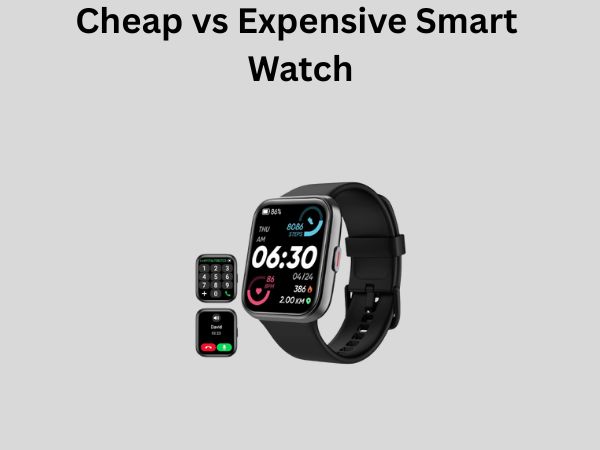
Cheap vs Expensive Smart Watch: Is Paying More Worth It?
I’ve stood in front of my laptop countless times, scrolling through smartwatch options, wondering if I should splurge on a premium model or grab a budget-friendly alternative. Sound familiar? You’re not alone. The smartwatch market has exploded over the past few years, and with it comes a bewildering range of prices—from under $50 to well over $500. But here’s the real question: does that extra cash actually buy you something meaningful, or are you just paying for a fancy name on your wrist?
In this comprehensive guide, I’m going to break down exactly what separates budget smartwatches from their premium counterparts. We’ll explore the real-world differences, help you understand what features actually matter to you, and ultimately determine whether investing more in a smartwatch is a smart decision or a waste of money.
The Price Gap: What Exactly Are You Paying For?
Let me start with something that might surprise you: the price difference between cheap and expensive smartwatches doesn’t always reflect proportional differences in functionality. A $100 smartwatch might do 80% of what a $400 smartwatch does, yet costs four times less. So what’s filling that gap?
When you pay more for a smartwatch, you’re investing in a combination of factors that go beyond just basic performance. These include brand reputation, design sophistication, build quality, proprietary technology, battery optimization, and long-term software support. It’s similar to comparing a reliable sedan to a luxury sports car—both get you where you need to go, but the experience differs significantly.
Brand Recognition and Marketing
Let’s be honest: part of what you’re paying for when you buy an expensive smartwatch is the brand name itself. Companies like Apple, Samsung, and Garmin have invested billions in building their reputations. When you purchase their premium products, a portion of your money goes toward their marketing campaigns, research and development facilities, and brand prestige. Budget brands simply don’t carry the same market weight, and their products reflect that lower investment in brand building.
Build Quality and Materials: Does It Really Matter?
Here’s where things get tangible. Let me walk you through what separates a flimsy budget smartwatch from a solid premium option.
Display Technology and Clarity
The display is your window into your smartwatch’s world. Cheap smartwatches typically use basic LCD screens with limited color ranges and poor visibility in sunlight. They often suffer from low refresh rates, making scrolling feel sluggish and laggy. In contrast, expensive smartwatches frequently feature AMOLED displays with vibrant colors, deep blacks, and superior brightness levels. The difference becomes painfully obvious when you’re checking your notifications at noon on a sunny day.
But here’s the catch—if you primarily use your smartwatch indoors or don’t care much about display aesthetics, this premium feature might not justify the extra expense for you.
Material Construction and Durability
Budget smartwatches often use plastic casings and rubber bands that can feel cheap and wear down quickly. After a few months, you might notice the buttons becoming sticky, the band cracking, or the back cover coming loose. Premium smartwatches, on the other hand, typically feature stainless steel, titanium, or ceramic casings with premium leather or high-quality rubber bands. These materials don’t just look better—they genuinely last longer.
- Cheap smartwatches: Plastic body, standard rubber band, limited color options
- Mid-range smartwatches: Aluminum alloy, improved band quality, moderate durability
- Premium smartwatches: Stainless steel or titanium, luxury band materials, exceptional longevity
Water Resistance Standards
This is one area where the difference actually matters. Many budget smartwatches claim water resistance, but this often means splash resistance at best. Premium models typically offer genuine water resistance ratings that let you swim with them, dive with them, or wear them in the shower without worry. If you’re an active person or water sports enthusiast, this difference could be the deciding factor in your purchase.
Performance and Processing Power: Do You Feel the Difference?
When it comes to raw performance, budget and premium smartwatches have narrowed their gap considerably in recent years. Both can track your steps, monitor your heart rate, and receive notifications adequately. However, the experience differs in subtle but noticeable ways.
Processing Speed and Responsiveness
Premium smartwatches typically pack more powerful processors that handle complex operations smoothly. Switching between apps, loading data, and handling simultaneous functions happens almost instantaneously. Budget smartwatches might stutter slightly, especially when running multiple tasks or updated software versions. It’s the difference between a light-footed runner and someone trudging through thick mud—both reach the destination, but one does so far more gracefully.
Software Optimization and Updates
Here’s something that often gets overlooked: software support. Premium smartwatch manufacturers typically commit to years of software updates, ensuring your device stays secure and functional. Budget brands sometimes abandon their products after a year or two, leaving you vulnerable to security issues and unable to access new features. This long-term support is invisible but incredibly valuable.
Battery Life: The Endurance Factor
Battery life might be the most visible difference between cheap and expensive smartwatches. This is where manufacturer expertise really shines.
Typical Battery Performance by Price Range
Budget smartwatches generally offer 3 to 5 days of battery life. You’ll find yourself charging them frequently, which can be annoying if you’re traveling or prefer minimal maintenance. Premium smartwatches often last 7 to 14 days on a single charge, with some specialized models boasting even longer endurance. A few high-end models even claim multi-week battery life when using specific power-saving modes.
This difference stems from superior power management software, more efficient processors, and often larger battery capacities relative to device size.
Charging Methods and Convenience
Budget smartwatches typically use basic USB charging or proprietary connectors that can be fiddly and unreliable. Premium models often feature wireless charging or magnetic connections that feel premium and work consistently. It might seem like a small detail, but when you’re charging your device daily versus once a week, convenience becomes surprisingly important.
Health and Fitness Features: Where Premium Really Shines
This is where expensive smartwatches start earning their premium price tag.
Sensor Quality and Accuracy
Budget smartwatches include basic sensors for heart rate monitoring and step counting. These work reasonably well for general tracking, but they’re not particularly accurate. Premium smartwatches employ multiple sensors—advanced heart rate monitors, ECG sensors, blood oxygen sensors, temperature sensors, and specialized accelerometers. The data these devices collect is noticeably more accurate and reliable.
If you’re an athlete or someone who relies on health metrics for medical reasons, this accuracy gap matters significantly. If you just want a general idea of your activity level, budget sensors are probably sufficient.
Specialized Fitness Tracking Modes
Premium smartwatches often include 100+ workout modes tailored to specific activities, from HIIT training to trail running to swimming. They provide sophisticated metrics like VO2 max estimation, training load analysis, and recovery recommendations. Budget smartwatches usually offer basic modes like running, walking, and cycling with minimal detailed metrics.
- Budget smartwatch features: Basic step counting, general heart rate monitoring, 5-10 workout modes
- Premium smartwatch features: Advanced biometrics, 100+ workout modes, personalized training insights
Sleep Tracking and Recovery Analysis
While both cheap and expensive smartwatches track sleep, premium models provide far deeper insights. They analyze REM, light, and deep sleep stages, track sleep consistency, and provide actionable recommendations for sleep improvement. Budget models typically just tell you how long you slept—useful information, but lacking depth.
Design and Aesthetics: The Wrist Fashion Factor
Let’s talk about something that often influences purchasing decisions more than we’d like to admit: how the smartwatch looks on your wrist.
Design Philosophy and Style Variations
Premium smartwatch brands invest heavily in design, collaborating with renowned designers and offering multiple style options. A luxury smartwatch might look indistinguishable from a traditional watch, whereas budget smartwatches often scream “cheap gadget.” This isn’t just vanity—you’re going to wear this device on your wrist every day, so aesthetics legitimately matter for your daily satisfaction.
Customization Options
Premium smartwatches typically offer extensive customization. You can swap bands easily, choose from dozens of watch faces, customize complications, and adjust color schemes. Budget smartwatches usually come with one fixed band style and limited customization options. This might seem minor, but personalization significantly impacts how you feel about your device long-term.
Ecosystem Integration: The Hidden Advantage
Here’s something many people don’t consider until after they’ve purchased: how well your smartwatch integrates with your other devices.
Smartphone Compatibility
Premium smartwatches from major manufacturers integrate seamlessly with their ecosystem (Apple Watch with iPhones, Galaxy Watch with Samsung phones). This means features work flawlessly, notifications sync perfectly, and third-party app support is robust. Budget smartwatches often work across multiple phone brands but with compromised functionality on some of them. You might find that certain features don’t work properly on Android when the watch was designed for iOS, or vice versa.
Third-Party App Support
Popular premium smartwatches attract massive developer attention, meaning you’ll find dedicated apps for nearly everything—from banking to fitness coaching to entertainment. Budget smartwatches might have just the basics, limiting what you can do with your device.
The Practical Analysis: What Features Actually Matter?
Now comes the critical part: determining which features genuinely matter for your needs versus which are just nice-to-haves.
Questions to Ask Yourself
Before deciding between budget and premium, honestly answer these questions:
- How often am I willing to charge my smartwatch? (Daily charging acceptable or not?)
- Do I need advanced health metrics or just basic tracking?
- Am I planning to swim, shower, or do water sports with my watch?
- How long do I typically keep electronics before upgrading?
- Does aesthetic appeal influence my happiness with a product?
- Do I need extensive third-party app support?
- How much am I willing to spend?
Use Case Scenarios
A budget smartwatch might be perfect for you if you’re a casual user who wants basic activity tracking, occasional notifications, and doesn’t mind frequent charging. A premium smartwatch makes sense if you’re an athlete, health-conscious individual, frequent traveler, or someone who plans to keep the device for many years.
Long-Term Value: The Hidden Calculation
Here’s where many people miscalculate when comparing smartwatch prices. It’s not just about the upfront cost.
Longevity and Durability Costs
A $150 budget smartwatch might need replacing after two years due to battery degradation, software issues, or physical wear. A $400 premium smartwatch might last five to seven years with proper care. When you amortize the cost over its lifespan, the premium option might actually cost less per year of use.
Resale Value
Premium smartwatches maintain their value significantly better than budget models. If you decide to upgrade after a few years, you can often recoup 40-60% of your initial investment on a premium smartwatch versus only 10-20% on a budget model. This further narrows the actual cost difference.
Software Support Period
Premium brands typically provide three to five years of software updates. Budget brands might only support their devices for one to two years. Once software support ends, your smartwatch becomes vulnerable to security issues and might not receive new features. This invisible cost can make budget watches expensive in the long run.
The Best Value Proposition: Finding the Sweet Spot
Here’s my honest take after examining this question thoroughly: the actual sweet spot for most people lies in the mid-range category, roughly between $200 and $300.
Why Mid-Range Often Wins
Mid-range smartwatches offer significantly better build quality than budget models without the excessive premium for brand prestige. They usually have decent displays, solid battery life (5-7 days), adequate sensor quality, and reliable software support for several years. You get most of what makes premium smartwatches worthwhile without paying for luxury positioning.
When to Choose Budget
Go with a budget smartwatch if you’re a first-time buyer testing the waters, have a limited budget, or primarily want basic activity tracking without bells and whistles. They genuinely work for fundamental smartwatch functions.
When Premium Is Justified
Invest in premium if you’re an athlete needing advanced metrics, travel frequently and want excellent battery life, plan to keep the device long-term, or integrate heavily with an ecosystem (like owning multiple Apple devices). The premium features genuinely enhance your experience in these scenarios.
Real-World Performance Comparison
Let me give you some concrete examples based on typical user scenarios:
Scenario one: You’re a busy professional who wants notifications and basic step tracking. A budget smartwatch does this perfectly fine. The $150 price tag feels justified for your actual needs.
Scenario two: You’re training for a marathon and need accurate pace tracking, distance metrics, and training load analysis. A premium smartwatch’s advanced sensors and specialized training modes provide significant value. The $400 investment makes sense.
Scenario three: You enjoy casual fitness, want something reliable that lasts several years, and appreciate better build quality and ecosystem integration. A mid-range smartwatch at $250 offers the best value for your needs.
Common Misconceptions About Smartwatch Pricing
Before we wrap up, let me address some myths I’ve encountered:
Myth One: Expensive Always Means Better
Not necessarily. Some expensive smartwatches charge premium prices partly due to brand positioning rather than proportionally better features. You might be paying for aesthetics and prestige rather than performance gains.
Myth Two: Budget Smartwatches Are Completely Unreliable
This isn’t true. Many budget smartwatches work quite well for their intended purpose. They’re not premium, but they’re not terrible either. Set realistic expectations and you’ll be satisfied.
Myth Three: All Smartwatches Will Be Obsolete Soon
Premium smartwatches with strong software support remain relevant for many years. A quality smartwatch from a reputable manufacturer is a legitimate investment, not a disposable gadget.
Final Considerations Before Purchasing
Before you make your decision, consider these final factors:
- Research the specific brand’s track record for software updates and customer support
- Read user reviews from people with
![7 Best Smart Watch Cellular [2026]](https://smartwatchbest.com/wp-content/uploads/2026/08/7-best-smart-watch-cellular-2026-featured-768x432.jpg)
![7 Best Digital Smart Watch For Men [2026]](https://smartwatchbest.com/wp-content/uploads/2026/08/7-best-digital-smart-watch-for-men-2026-featured-768x432.jpg)