
Smartwatch Screen Protectors: Do You Really Need One?
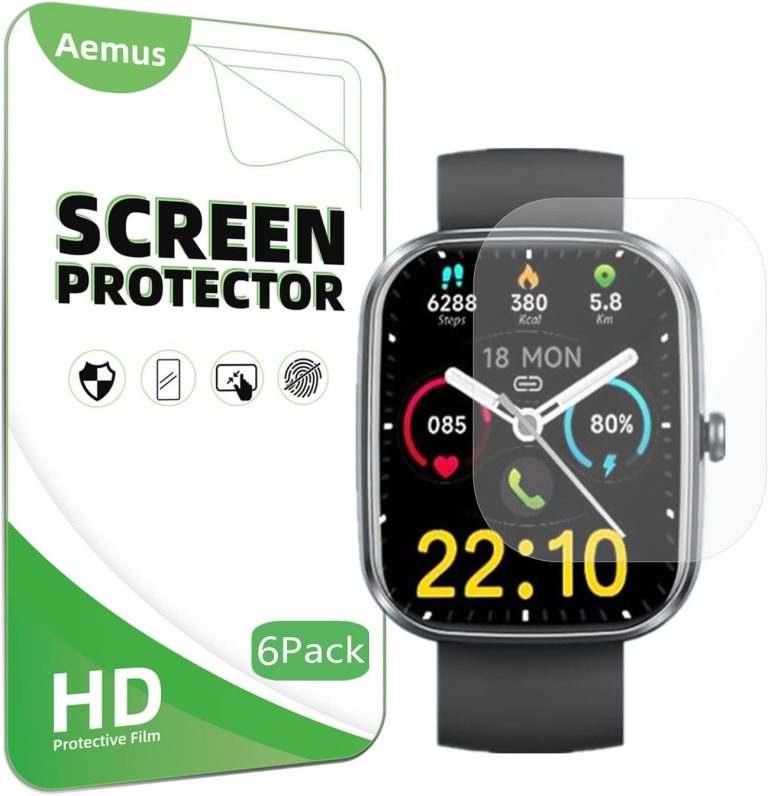
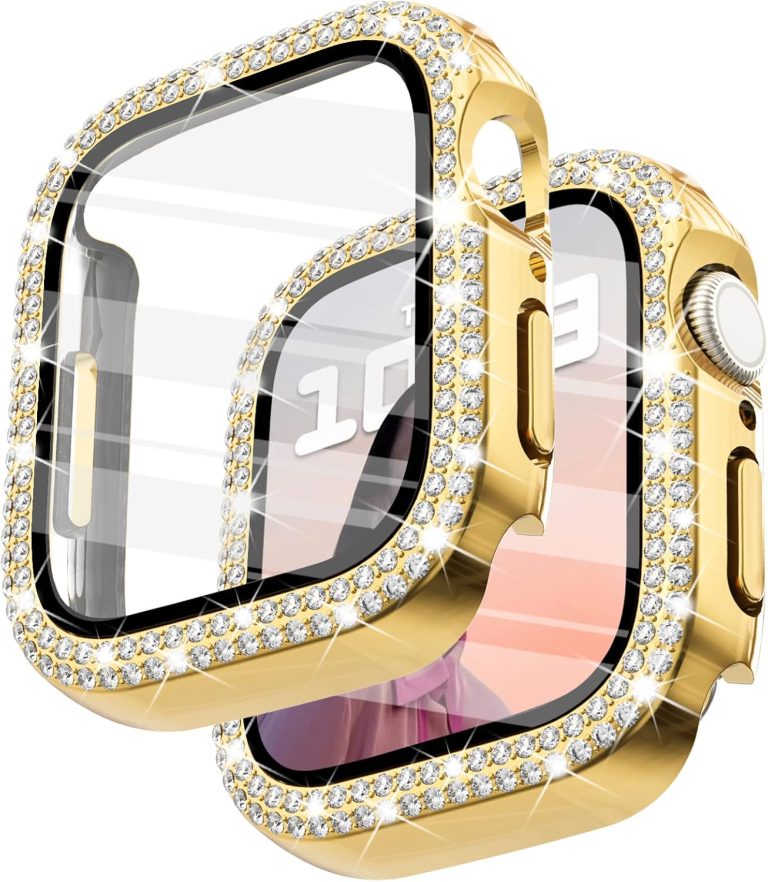
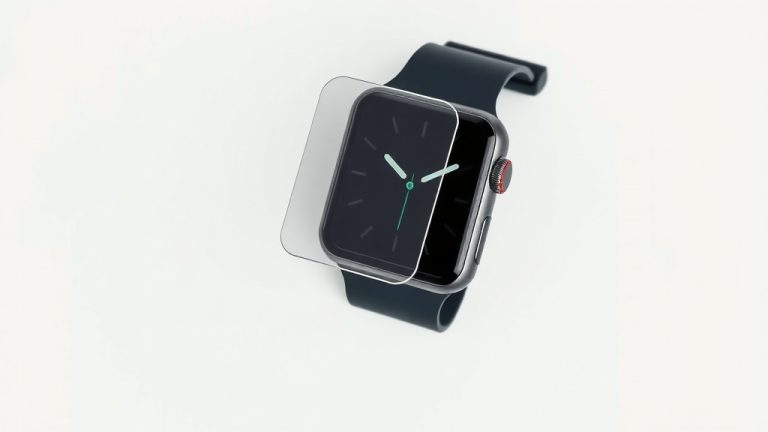
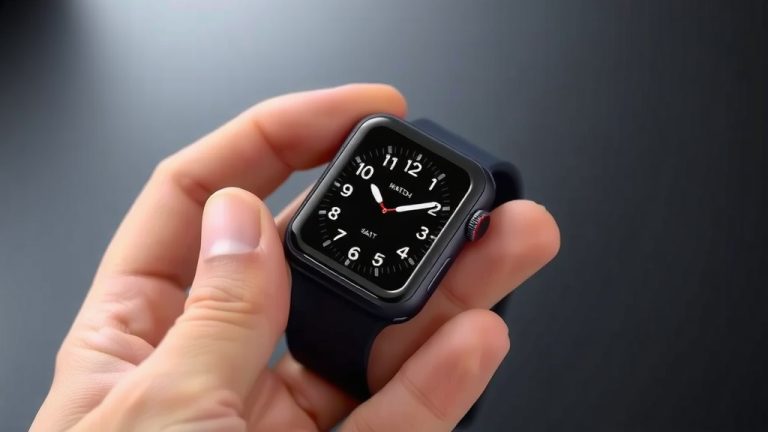
Yes, there are screen protectors for smartwatches, and they are absolutely worth getting. Your smartwatch screen faces daily bumps, scratches, and scrapes that a protector can easily absorb. These thin films or glass shields are designed to fit your watch face perfectly and keep it looking new.
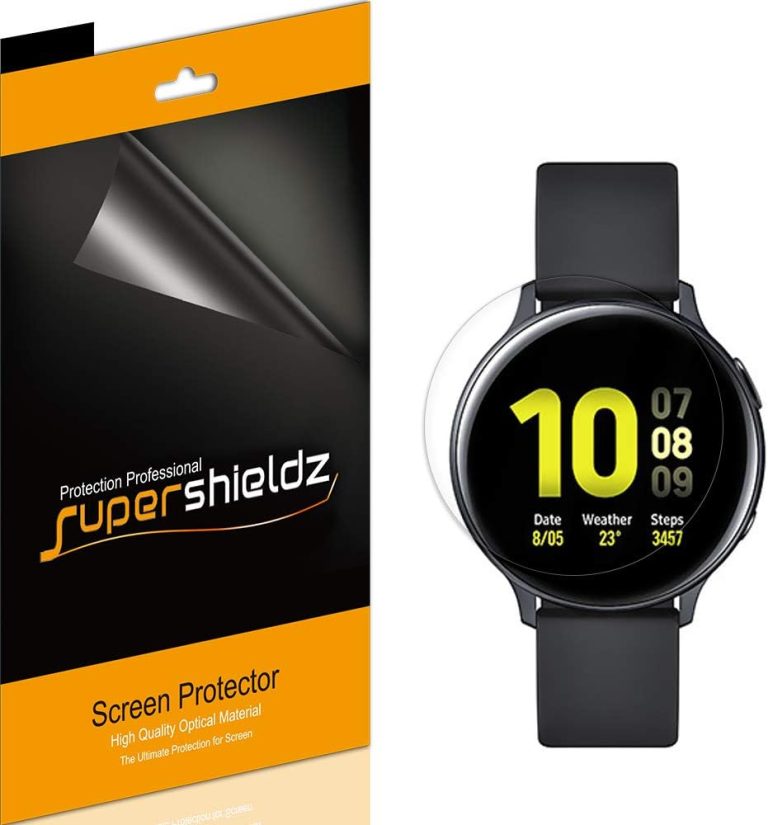
We found that most popular smartwatch brands, including Apple Watch, Samsung Galaxy Watch, and Garmin, have dedicated screen protectors available. The main choice comes down to material—tempered glass for strong impact protection or flexible film for a barely-there feel. You also get to pick between clear options or privacy filters that block side glances.
- Yes, screen protectors exist for nearly every smartwatch model, from Apple Watch to Fitbit and Garmin.
- Two main types: tempered glass (tougher) and TPU film (flexible and self-healing).
- Installation is simple—most kits come with alignment tools to avoid bubbles.
- Prices are affordable, usually between $8 and $20 for a multi-pack.
- A protector beats a cracked screen repair which can cost more than the watch itself.
Below, we break down everything you need to know about picking the right smartwatch screen protector, how to install it like a pro, and which types offer the best real-world protection.
Why Your Smartwatch Screen Needs Protection
You probably treat your phone like royalty. It gets a case, a glass screen protector, and maybe even a pop socket. But your smartwatch? It rides on your wrist all day, every day. It bumps into doorframes, scrapes against countertops, and takes the brunt of your active lifestyle. We found that most people forget their watch face is just as vulnerable as their phone screen.
The truth is simple. A smartwatch screen is exposed to more accidental contact than your phone. Your phone sits in a pocket or a bag most of the time. Your watch is out in the open, constantly brushing against the world. A tiny scratch might not seem like a big deal at first. But once you see that first hairline mark on your display, you will wish you had protected it sooner.
What Happens When You Skip the Protector
Think about your daily routine. You reach into a drawer and your watch scrapes the metal edge. You lean against a granite countertop while cooking. You grab a shopping cart and your wrist bumps the handle. Every one of those moments is a chance to scratch your screen.
We found that repair costs for smartwatch screens can range from $100 to over $400 depending on the brand and model. Compare that to a $10 screen protector. It is a no-brainer when you look at the numbers. Many experts say that a screen protector is the cheapest insurance you can buy for your tech (Consumer Reports).
Screen Protector Options for Smartwatches
You have two main choices when it comes to protecting your watch face. Each type has its own strengths and weaknesses. We broke them down so you can pick the right one for your lifestyle. The choice really comes down to how you use your watch and what kind of protection you need.
Tempered Glass Protectors
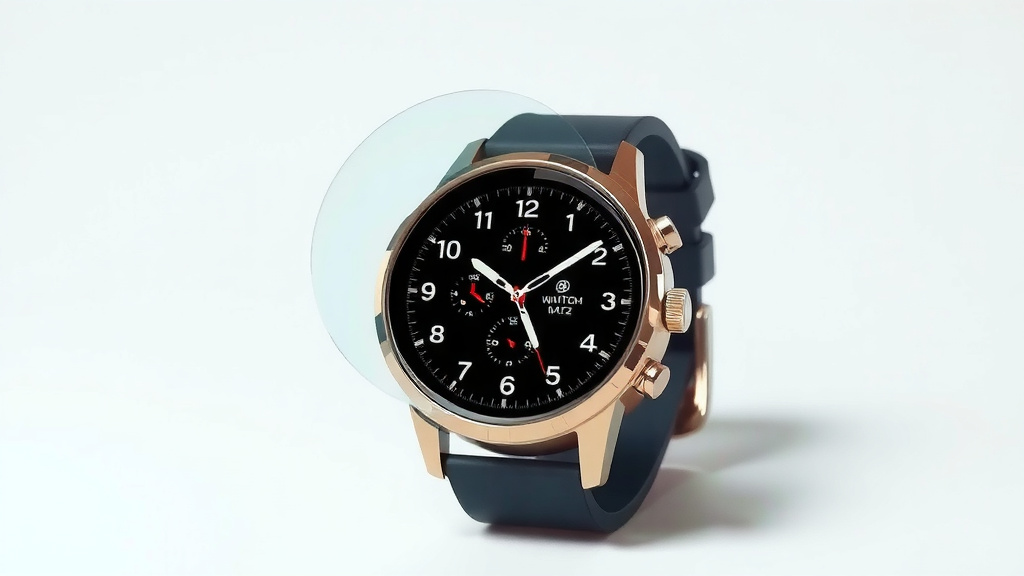
Tempered glass is the tough guy of the screen protector world. It is made from multiple layers of glass that have been heated and cooled to increase strength. These protectors feel just like your actual watch screen. They offer superior impact protection against drops and hard knocks.
We found that tempered glass protectors are the best choice for people who work with their hands or spend time outdoors. If you are a hiker, a builder, or a gym enthusiast, this is your option. The downside? They are slightly thicker than film protectors. They can also shatter on extreme impact, though they absorb the damage so your real screen stays safe. If you’re weighing whether a screen protector alone is enough, our comparison of screen protector vs case helps you decide.
Full-Coverage vs. Flat Glass
There are two shapes of tempered glass protectors. Flat glass only covers the flat part of your watch face. Full-coverage glass wraps around the curved edges. If you have a newer Apple Watch or Galaxy Watch with curved edges, you want full-coverage. We found that full-coverage glass offers better protection because it shields the entire display, including the edges where cracks often start.
Just know that full-coverage protectors can be trickier to install. They need to align perfectly with the curves of your screen. But once they are on, they look nearly invisible.
TPU Film Protectors
TPU film is the flexible option. It is a thin, clear plastic that bends and stretches. You barely notice it is there. These protectors are self-healing, which means minor scratches disappear over time. Small scuffs from daily wear literally vanish as the material relaxes back into shape.
We found that TPU film is great for people who hate the look of bulky protectors. It is also ideal for curved screens because it conforms to any shape. The film is softer than glass, so it offers less drop protection. But it does an excellent job of preventing scratches and scuffs. Think of it as a clear raincoat for your watch. It is not armor, but it keeps the bad stuff off. For a self-healing film option, our IPG screen protector review covers real-world durability and fit.
Hydrogel Film: The Modern Upgrade
Hydrogel is a newer type of film protector. It is softer and more flexible than traditional TPU. Many experts say that hydrogel offers better clarity and more durability than standard film. It also has that self-healing property, which makes it a favorite among smartwatch owners.
We found that hydrogel protectors are the go-to choice for Apple Watch users. They wrap around the curved edges beautifully and are almost invisible once installed. The only real downside is that they can be a bit slippery when wet. But that is a small trade-off for the level of protection you get.
Specialty Protectors: Privacy and Matte Options
Not all screen protectors are the same. Some do more than just protect. We found that privacy protectors are becoming more popular as people use their watches for messages and payments. These protectors use a special filter that makes the screen visible only when you look at it straight on. People sitting next to you will only see a dark blur.
Privacy protectors are great if you check notifications on your watch during meetings or on public transit. Nobody wants a stranger reading your text messages over your shoulder. This type of protector adds that extra layer of security.
Matte and Anti-Glare Films
Another option is a matte or anti-glare protector. These have a slightly textured surface that reduces reflections. If you spend time outdoors, you know how hard it can be to read your watch in bright sunlight. We found that matte protectors cut down on glare significantly, making your screen easier to read outside.
The trade-off is a slight reduction in sharpness. The screen looks a tiny bit less crisp through a matte finish. For most people, the improved outdoor visibility is worth it. It is like putting a frosted window film on your watch. You trade a little clarity for a lot of comfort.
How to Pick the Right Protector for Your Watch
We found that choosing the right protector comes down to three simple questions. First, what watch model do you have? Second, how do you use your watch? Third, what is your budget? Answer those questions, and you will know exactly which protector to buy.
Most major brands have protectors designed for their specific models. Apple Watch, Samsung Galaxy Watch, Garmin, Fitbit, and even budget brands like Amazfit all have dedicated protectors. You should never buy a generic “one size fits all” protector. We found that custom-fit protectors are always better than universal ones. They align perfectly with your screen and leave no gaps for dust or debris to get underneath.
Match the Protector to Your Lifestyle
Your daily routine should guide your choice. If you work at a desk and rarely bump your watch, a basic TPU film will do the job. If you hike, bike, or work with tools, you need tempered glass. If you spend hours outside in the sun, go with a matte finish. If you value privacy, pick a privacy filter.
We found that buying a multi-pack is the smartest move. Most protectors come in packs of two, three, or even six. Since you will eventually need to replace a worn protector, having spares saves you money and time. Plus, if you mess up the first installation, you have a backup ready to go.
Installing Your Smartwatch Screen Protector
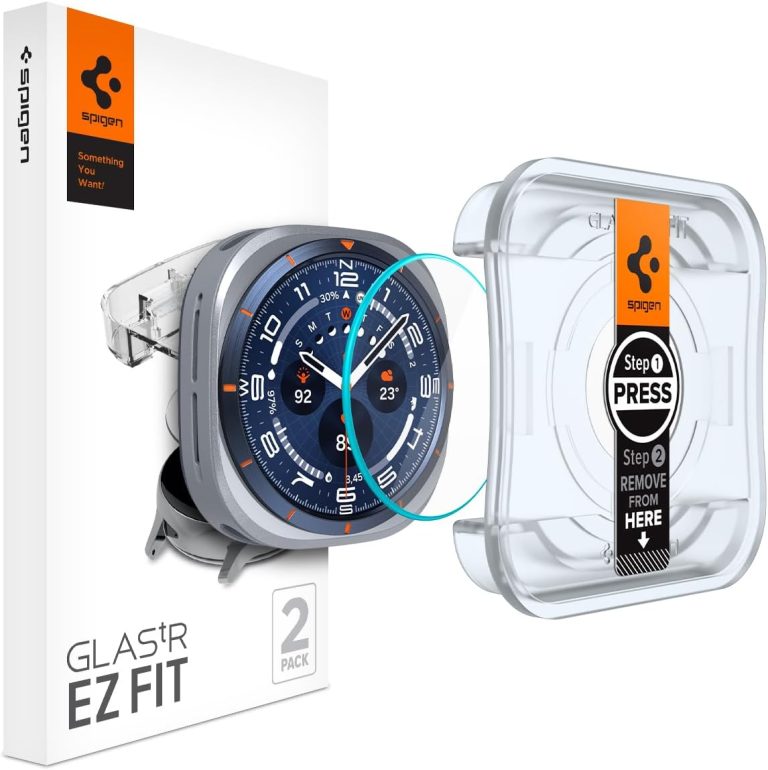
Installation is the part that scares most people. But we found that smartwatch protectors are easier to install than phone protectors. The screen is smaller, so there is less surface area to mess up. Most kits come with an alignment frame that snaps onto your watch. This frame guides the protector into the perfect position every time.
The process is straightforward. Clean your watch screen with the included alcohol wipe. Dry it with the microfiber cloth. Peel the backing off the protector. Align it using the frame or your eye. Press down from the center outward to push out any air bubbles. That is it. The whole process takes less than two minutes.
Avoiding Bubbles and Dust
Bubbles happen when dust gets trapped between the protector and your screen. The key is to install in a dust-free environment. We found that installing your protector in the bathroom after a hot shower is a pro trick. The steam in the air weighs down dust particles, keeping them from floating onto your screen.
If you do get a bubble, do not panic. For film protectors, gently lift the edge and use a piece of tape to pick off the dust. For glass protectors, you can sometimes push the bubble to the edge with your thumb. Small bubbles often disappear on their own within 24 to 48 hours as the adhesive settles.
Screen Protector Comparison Table
We put together a quick comparison so you can see the differences at a glance. Use this as a cheat sheet when you shop.
| Feature | Tempered Glass | TPU Film | Hydrogel |
|---|---|---|---|
| Impact Protection | Excellent | Fair | Good |
| Scratch Resistance | Excellent | Good | Good |
| Self-Healing | No | Yes | Yes |
| Clarity | Best | Good | Very Good |
| Curved Screen Fit | Good with full-coverage | Excellent | Excellent |
| Price Range | $10 – $20 | $8 – $15 | $10 – $18 |
| Installation Difficulty | Medium | Easy | Easy |
We found that tempered glass wins for overall protection, but film is better for curved screens. Your choice depends on what matters most to you.
When Should You Replace Your Protector?
Screen protectors are not permanent. They wear out over time. We found that most protectors last between 3 to 6 months with daily use. You should replace yours when you notice deep scratches, peeling edges, or a loss of clarity. If your glass protector cracks, replace it immediately. A cracked protector still protects your screen, but it does not look great and can snag on clothing.
Film protectors that have lost their self-healing ability should also be swapped out. Once the film gets cloudy or yellowed, it is time for a fresh one. That is why buying a multi-pack is so smart. You will always have a replacement ready when you need it.
Screen Protector Shopping Checklist
Before you click “buy,” run through this checklist to make sure you get the right product.
- Confirm your exact watch model and screen size before ordering.
- Choose tempered glass if you need maximum drop and impact protection.
- Pick TPU or hydrogel film if you have a curved screen and want invisible protection.
- Consider a privacy filter if you check sensitive notifications in public.
- Look for kits that include an alignment frame for easier installation.
- Buy a multi-pack so you have spares for future replacements.
We found that taking two minutes to check compatibility saves you the headache of returns and exchanges. Most online listings clearly state which watch models a protector fits. Do not assume a protector for one brand works for another. They almost never do.
The Bottom Line on Smartwatch Screen Protectors
Your smartwatch is an investment. It tracks your health, keeps you connected, and looks good on your wrist. Protecting that investment with a screen protector is one of the smartest and cheapest decisions you can make. We found that the cost of a protector is a fraction of the repair cost for a cracked screen, and installation takes less time than brewing a cup of coffee.
Whether you choose tempered glass or flexible film, the protection is worth it. Your watch will look newer for longer. You will not cringe every time your wrist bumps into something. And you will never have to explain to anyone why your watch screen is scratched to pieces. Get a protector, install it once, and forget about it. Your future self will thank you.
Conclusion
Your smartwatch works hard for you every single day. It deserves the same protection you give your phone. We found that a screen protector is the simplest way to keep your watch face looking brand new for years. Whether you grab tempered glass or a flexible film, the protection is worth every penny.
Do not wait until you see that first scratch. That is the moment you will wish you had acted sooner. Pick the right protector for your watch model and your lifestyle. Take two minutes to install it. You will never have to worry about cracked or scuffed screens again. Order a multi-pack today and keep spares ready for the future.
Frequently Asked Questions
Will a screen protector interfere with my smartwatch touchscreen?
No, quality screen protectors are designed to maintain full touch sensitivity. Tempered glass and TPU film both allow your finger to glide smoothly across the display. You will not notice any difference in responsiveness. Just make sure you buy a protector made specifically for your watch model.
Can I use a phone screen protector on my smartwatch?
You should not use a phone screen protector on your smartwatch. Phone protectors are much larger and will not fit your watch face properly. They will leave gaps where dust and dirt can get trapped. Always buy a protector designed specifically for your exact watch model and screen size.
How long does a smartwatch screen protector last?
Most smartwatch screen protectors last between three and six months with daily wear. Tempered glass tends to last longer than film protectors. You should replace your protector when you notice deep scratches, peeling edges, or cloudiness. Keep spares on hand so you can swap in a fresh one quickly.
Does a screen protector affect the Apple Watch always-on display?
No, screen protectors do not interfere with the always-on display feature. The display stays visible and bright just like normal. A matte or anti-glare protector might slightly reduce brightness, but the display remains easy to read. Your battery life will not be affected either.
Are screen protectors worth it for a cheap smartwatch?
Yes, screen protectors are worth it even for budget smartwatches. A cheap watch screen scratches just as easily as an expensive one. Replacing a budget watch still costs more than a $10 protector. We found that protecting any watch, regardless of price, is always the smart move.