The Latest Smart Watch: Top Features & Buyer’s Guide
The latest smartwatch is a powerful wearable computer on your wrist, offering advanced health tracking, communication features, and app access. Think of it as your personal assistant, fitness coach, and communication hub all rolled into one sleek device. Many of the newest models are focused on providing deeper health insights and even more ways to stay connected without your phone.
When we talk about what’s new, it’s often about smarter sensors that can track more about your body, like sleep patterns or even stress levels. You’ll also find improvements in battery life and brighter, clearer screens. The goal is to make your daily life easier and give you more information about your well-being at a glance.
- Smartwatches are mini-computers for your wrist.
- New models focus on health and connectivity.
- Expect better health sensors and longer battery life.
- They help manage your day and well-being.
- Many can work independently of your phone.
Ready to see what the latest tech can do for you? Let’s dive into what makes the newest smartwatches stand out.
What’s New in Today’s Smartwatches?
The latest smartwatches are more than just timekeepers; they’re your personal health monitors and communication tools. We’re seeing a big push towards smarter health sensors. These devices are getting better at understanding your body’s signals. This means you can get more detailed information about your sleep, stress, and even heart health right from your wrist.
Many new models also focus on longer battery life. Tired of charging your watch every night? The newest ones are designed to last longer, sometimes several days on a single charge. Plus, displays are brighter and easier to read, even in direct sunlight. It’s all about making your life simpler and giving you better data about your well-being.
Advanced Health and Fitness Tracking
Health tracking is where the newest smartwatches truly shine. They go far beyond just counting steps. Many now offer advanced features that were once only found in specialized medical devices.
Heart Health Monitoring
You’ll find that most top-tier smartwatches now include an ECG app. This can take an electrocardiogram similar to what a doctor might use. It helps detect signs of atrial fibrillation, a common heart rhythm disorder. Some models also offer continuous heart rate monitoring and alerts for abnormally high or low heart rates. This constant watch can be a real lifesaver.
Research shows that irregular heart rhythms can be detected early with these devices (American Heart Association). Early detection can lead to quicker treatment and better outcomes. It’s like having a cardiologist on your wrist, constantly checking in.
Sleep Tracking Reimagined
Forget just knowing how long you slept. The latest smartwatches track your sleep stages: light, deep, and REM sleep. They analyze your movement and heart rate during the night to give you a detailed sleep score. You can then see how your daily activities affect your sleep quality. This information can help you make adjustments for more restful nights.
Many users find this data incredibly useful for improving their sleep habits. Understanding your patterns is the first step to getting better rest. Some apps even offer personalized tips based on your sleep data.
Stress Management Tools
Did you know your smartwatch can help you manage stress? Newer models often include stress tracking features. They use heart rate variability (HRV) to estimate your stress levels throughout the day. When your stress levels are high, some watches will prompt you to do a guided breathing exercise. These short, mindful moments can make a big difference.
The Cleveland Clinic suggests that mindfulness and deep breathing can lower stress. Smartwatches make it easy to incorporate these practices into your busy schedule. It’s a gentle nudge to take a moment for yourself.
Other Health Metrics
You might also find features like blood oxygen monitoring (SpO2) and even skin temperature sensing. Blood oxygen levels can indicate respiratory health. Skin temperature can offer clues about your body’s cycles or potential illness. These extra data points paint a fuller picture of your overall health.
Enhanced Connectivity and Convenience
Beyond health, the newest smartwatches are making it easier to stay connected and manage your day. They aim to reduce your reliance on your smartphone.
Standalone Functionality
Many of the latest smartwatches offer cellular connectivity. This means you can make calls, send texts, and stream music directly from your watch, even if your phone is at home. This is fantastic for workouts or when you want to go phone-free.
Imagine going for a run without your bulky phone. You can still be reached and enjoy your music. It’s a freeing experience many users appreciate.
Smart Assistant Integration
Voice assistants are getting smarter and more integrated. You can ask your watch to set reminders, check the weather, or even control smart home devices. It’s like having a helpful assistant always within earshot, ready to help with quick tasks. This can save you a lot of time throughout the day.
Contactless Payments
NFC technology allows for contactless payments right from your wrist. Leave your wallet at home and pay for your coffee or groceries with a simple tap of your watch. It’s fast, secure, and incredibly convenient for everyday purchases.
Design and Durability Upgrades
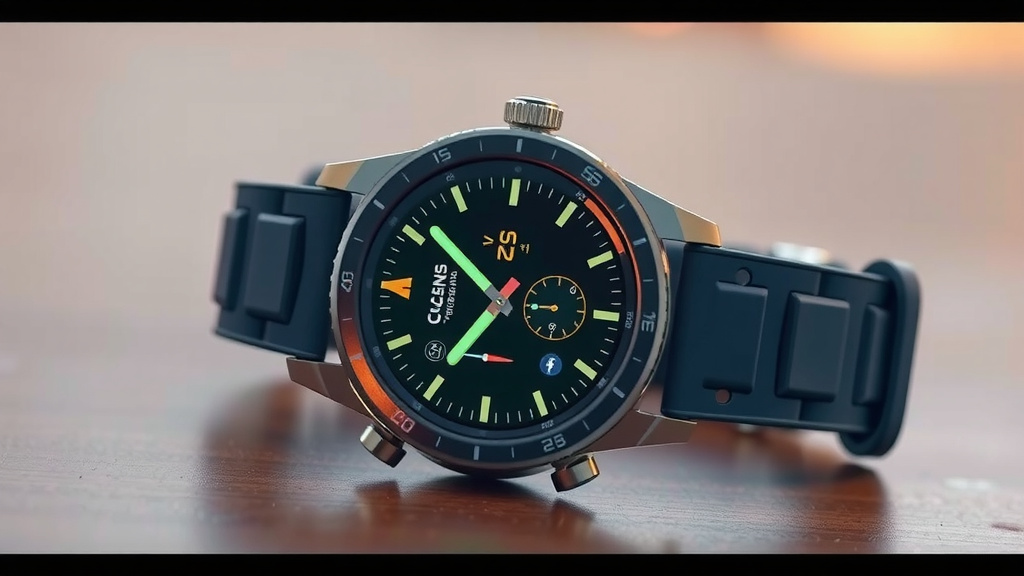
Smartwatches are also getting more stylish and tougher. Manufacturers are using premium materials and offering more customization options.
Materials and Displays
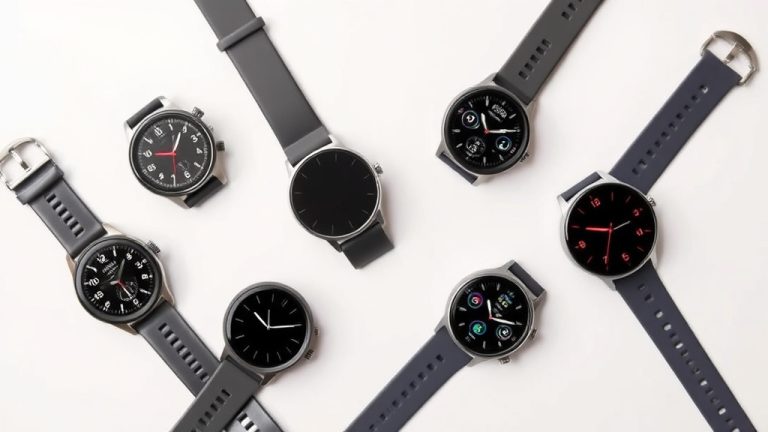
You’ll see more watches made with titanium or ceramic, offering a more luxurious feel and increased durability. Displays are often brighter, sharper, and more energy-efficient. Some even feature always-on displays that are easier to see at a glance.
Water Resistance
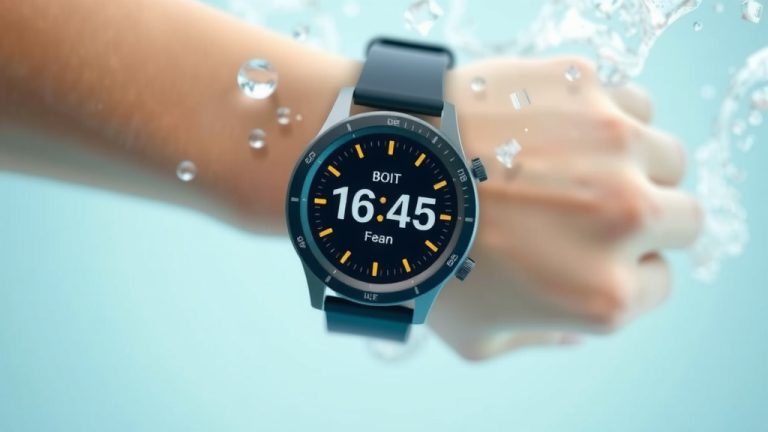
Most modern smartwatches come with good water resistance. This means you can wear them while swimming, showering, or in the rain without worry. Always check the specific water resistance rating for the model you choose.
What to Look for in a New Smartwatch
When you’re deciding on the latest smartwatch, consider these points:
- Your primary goal (health, fitness, connectivity).
- Battery life requirements.
- Compatibility with your smartphone (iOS or Android).
- Specific health sensors you need.
- Design and comfort.
We found that balancing features with battery life is key. Think about what tasks you’ll use the watch for most often. This will help you narrow down your choices.
Conclusion
Your latest smartwatch is more than just a gadget; it’s a wellness companion and a convenience tool right on your wrist. We’ve seen how advanced sensors offer deeper health insights, from heart rhythm to sleep quality. You can also enjoy enhanced connectivity, allowing you to stay in touch and even make payments without your phone. As you consider your next upgrade, think about which of these new capabilities will best support your lifestyle. Take the next step by identifying your top priorities and exploring models that align with your needs and design preferences.
Frequently Asked Questions
Do I really need a smartwatch for health tracking?
Not necessarily, but the latest smartwatches offer features that can give you a more detailed look at your health. They can help you monitor things like heart rate, sleep patterns, and stress levels consistently. This can be helpful for understanding your body better and making informed lifestyle choices.
Can the latest smartwatches replace my smartphone?
While many newer models offer robust standalone functionality, they are designed to complement your smartphone rather than fully replace it. You can make calls, send texts, and use apps independently, but for tasks requiring a larger screen or more complex input, your phone remains essential.
How much longer do new smartwatch batteries last compared to older models?
Battery life varies greatly by model and usage, but newer smartwatches generally offer improvements. Many are designed to last multiple days on a single charge, which is a significant upgrade from older models that often required daily charging.
Are smartwatches accurate for medical purposes?
Smartwatches are not medical devices and should not be used to diagnose or treat medical conditions. Features like ECG and blood oxygen monitoring are intended for general wellness and informational purposes. Always consult with a healthcare professional for any health concerns.
What’s the difference between a smartwatch and a fitness tracker?
Fitness trackers are primarily focused on activity and health metrics like steps, heart rate, and sleep. Smartwatches offer all those features but also include advanced capabilities like app integration, notifications, contactless payments, and often cellular connectivity, making them more versatile.