Smartwatch vs Treadmill Accuracy: Which Is More Precise
When comparing accuracy, a treadmill is generally more accurate for measuring distance and speed than a smartwatch, though both have their limitations. Treadmills are stationary machines that control your pace and distance directly. Smartwatches rely on sensors and algorithms that can be influenced by your stride, arm movement, and GPS signals, making them potentially less precise for certain metrics like distance.
Understanding these differences helps you interpret your workout data better. While smartwatches excel at tracking heart rate, calories burned, and steps taken throughout your day, their accuracy for specific workout metrics like distance and pace can vary. Treadmills offer a controlled environment for consistent, reliable measurements for those metrics. We’ve researched how these devices stack up.
- Treadmills are typically more accurate for distance and speed.
- Smartwatches are great for heart rate and general activity tracking.
- Your movement can affect smartwatch accuracy.
- GPS signal strength impacts outdoor smartwatch tracking.
- Always check your device’s calibration for best results.
Let’s dive into why there’s a difference and what you can do to get the most accurate readings from both your smartwatch and your treadmill.
Accuracy Showdown: Smartwatch vs. Treadmill Metrics
When you’re working out, you want to trust the numbers. You’re putting in the effort, and you want to know if you’re hitting your goals. So, which device gives you the best picture of your performance? We’ve looked into how smartwatches and treadmills stack up for accuracy.
Generally speaking, a treadmill is usually more accurate for tracking your speed and the distance you cover. Think of it this way: the treadmill is a controlled environment. It literally moves the belt under your feet at a set pace. Your distance and speed are directly measured by the machine itself. This makes it a very reliable source for these specific metrics. It’s like a fixed measuring tape; it doesn’t change based on how you hold it.
How Treadmills Measure Your Run
Treadmills have been around for a while. They use a simple, effective system. A motor drives a continuous belt. You run on this belt. The machine knows how fast the belt is moving and how long you’ve been running. It multiplies these two numbers to calculate the distance you’ve covered. Because the belt’s speed is controlled precisely, the measurement is very consistent. This is why gym treadmills often have a calibration process. It ensures the machine is reporting accurate speed and distance. Even basic home treadmills offer reliable data for their stated purpose.
How Smartwatches Track Your Activity
Smartwatches are marvels of modern tech. They use a combination of sensors and sophisticated algorithms. These devices track your movement in a few ways. They have accelerometers and gyroscopes. These sensors detect the motion of your arm and your body. They also use GPS. This is especially true when you’re running outdoors. The watch connects to satellites. It maps your route and calculates distance that way.
The Role of Sensors in Smartwatch Accuracy
Your smartwatch uses its built-in motion sensors to estimate your stride. It looks at how often and how far you move your legs. This data is then used to calculate your pace and distance. However, this estimation can be tricky. If your arm swing is different than usual, it can throw off the reading. A very choppy stride can also affect accuracy. These sensors are excellent for counting steps, but they are less precise for calculating exact distance over longer runs. The wrist-based nature of tracking is its biggest challenge here.
GPS Accuracy: An Outdoor Factor
For outdoor runs, GPS is key for smartwatches. It’s great for mapping your route. It can also give you a good estimate of distance. But GPS signals aren’t always perfect. Tall buildings, dense tree cover, or even bad weather can interfere. This can cause your GPS track to jump around. It might even create gaps in your recorded route. When this happens, your watch might underestimate or overestimate your distance. Many experts suggest that GPS accuracy can vary by 5-10% or even more in challenging conditions (NCBI).
Stride Length: The Great Unknown
Your stride length is a major variable for smartwatches. When you’re on a treadmill, your stride might be different than when you’re running outside. You’re not pushing off the ground in the same way. Your arm movements might also change. Some smartwatches allow you to input your stride length. This can improve accuracy. But if you don’t set it, or if it changes, your readings will be less reliable. It’s like trying to guess how big a step you take every single time. It’s hard to be perfectly consistent.
What Each Device Excels At
While treadmills have the edge on distance and speed, smartwatches are champions in other areas. They are fantastic for heart rate monitoring. Most modern smartwatches use optical heart rate sensors. These are quite good for tracking your pulse during exercise. They can also monitor your heart rate throughout the day. This gives you a broader picture of your cardiovascular health. Many people also find smartwatches more convenient for tracking general daily activity like steps taken. They are always with you, so they capture a more complete picture of your movement.
| Metric | Treadmill Accuracy | Smartwatch Accuracy | Notes |
|---|---|---|---|
| Speed | High | Medium | Treadmill is machine-controlled. Watch uses algorithms. |
| Distance | High | Medium | Treadmill measures belt movement. Watch relies on GPS/stride. |
| Heart Rate | Low (Typically none) | High | Most smartwatches have advanced HR sensors. |
| Calories Burned | Medium (Estimated) | Medium (Estimated) | Both estimate based on HR, activity, and biometrics. |
| Steps Taken | N/A (unless worn) | High | Watch is designed for continuous step tracking. |
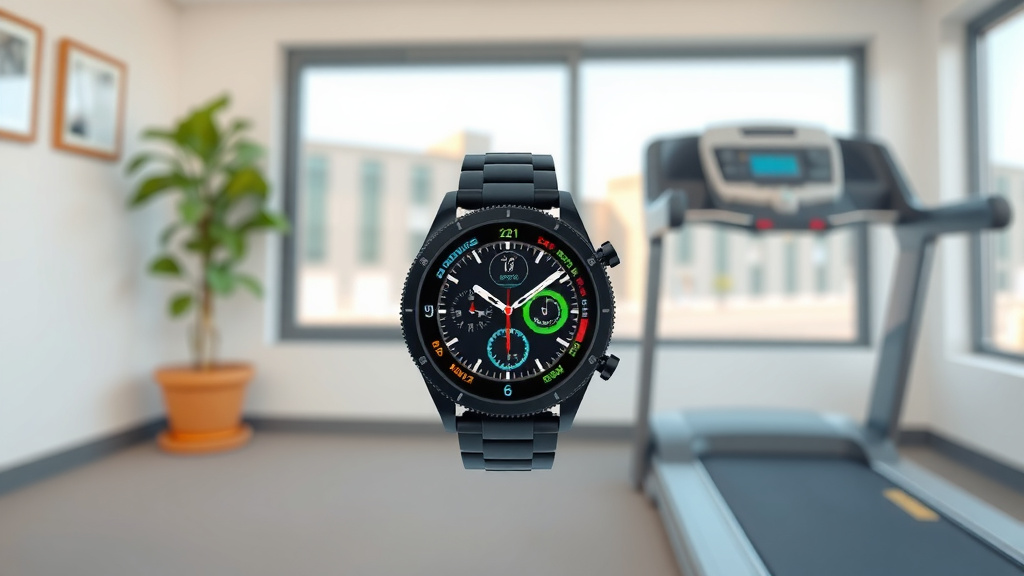
Tips for Getting the Most Accurate Data
You want the best possible data from your workouts. There are a few things you can do. For treadmills, ensure it’s calibrated. If you’re unsure, ask gym staff or check your manual. For your smartwatch, make sure it’s up to date. Software updates often improve algorithms. Keep your personal information accurate in the app. This includes your height, weight, and age. These details help the watch calculate things like calories burned more accurately. For your smartwatch, keep your personal information accurate in the app to improve its calculations.
Optimizing Your Smartwatch Settings
When you’re going for a run, choose the correct workout mode on your watch. Select “Running” or “Treadmill” if available. This tells the watch what kind of activity you’re doing. It helps it use the most appropriate sensors and algorithms. If you’re running outside, try to have a clear view of the sky. Avoid areas with heavy signal interference if possible. Some watches also have a setting for stride length calibration. Take advantage of this! A quick outdoor run with your watch can help it learn your typical stride.
Understanding Workout Data Together
Don’t get too hung up on tiny differences. Both devices provide useful information. A treadmill gives you a solid baseline for speed and distance. Your smartwatch offers a broader view of your overall activity. Use them to complement each other. If your smartwatch shows a much different distance than the treadmill, investigate. It could be a sign to recalibrate your watch or check its settings. Think of your treadmill as your reliable lab partner and your smartwatch as your ever-present, helpful coach.
A Quick Checklist for Better Accuracy
- Calibrate your treadmill regularly.
- Update your smartwatch software.
- Ensure your personal stats in your watch app are correct.
- Select the right workout mode on your watch.
- Try to have a clear GPS signal when running outdoors.
- Don’t panic over small discrepancies. Use data for trends.
Conclusion
When you’re aiming for the most accurate workout data, remember that treadmills generally lead the pack for speed and distance. Their controlled environment provides reliable, consistent numbers you can count on. Smartwatches, on the other hand, shine with continuous activity tracking, heart rate monitoring, and convenience, but their distance and pace can vary based on external factors and your personal movement. By understanding these differences and optimizing your device settings, you can use both your treadmill and smartwatch effectively. So, use your treadmill as your precise benchmark and your smartwatch as your comprehensive health companion to reach your fitness goals.
Frequently Asked Questions
Can I trust my smartwatch for marathon training?
For marathon training, your smartwatch can provide a good overall picture of your progress. It’s great for tracking heart rate, calories, and daily activity. However, for precise distance and pace tracking, especially on long runs, consider cross-referencing with a treadmill or GPS device. GPS accuracy can fluctuate, so don’t solely rely on it for critical race-day metrics.
Is a treadmill always accurate, even cheap ones?
Most treadmills are reasonably accurate for their intended purpose because they measure belt movement directly. While higher-end models might have more precise calibration, even basic treadmills offer a more consistent distance and speed reading than a smartwatch for indoor runs. Always check if your treadmill has a calibration option.
Why does my smartwatch estimate calories burned differently than my treadmill?
Both devices estimate calories burned, but they use different data points. Treadmills typically use your speed, duration, and sometimes your inputted weight. Smartwatches use heart rate, duration, activity type, and your personal stats (height, weight, age). These different calculation methods lead to varying results.
Can wearing my smartwatch on my wrist affect accuracy?
Yes, wearing your smartwatch on your wrist is a primary factor affecting its accuracy for distance and pace. The watch relies on detecting your arm swing and stride length through motion sensors. If your arm movement is inconsistent or your stride changes, it can impact the precision of the data recorded.
How can I improve my smartwatch’s outdoor running accuracy?
To improve your smartwatch’s outdoor running accuracy, ensure you have a clear view of the sky for a strong GPS signal. Keep your watch’s software updated, and input your correct personal details into the companion app. If your watch allows, calibrate your stride length for better distance estimations.
![7 Best Digital Smart Watch For Men [2026]](https://smartwatchbest.com/wp-content/uploads/2026/08/7-best-digital-smart-watch-for-men-2026-featured-768x432.jpg)