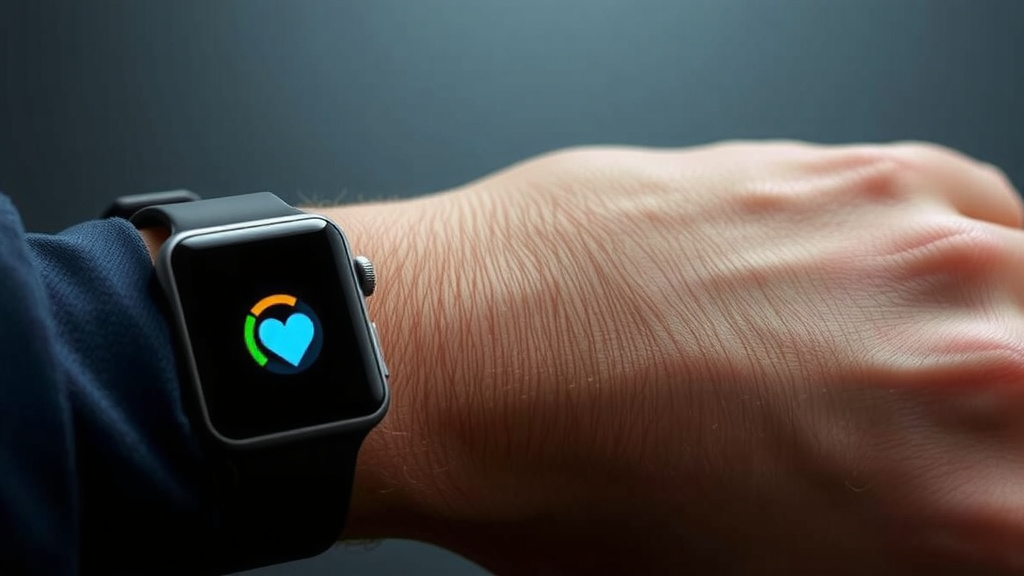
Smart Watch Health Monitoring: What Can It Track
Your smartwatch can monitor a surprising range of health metrics. It tracks your heart rate, sleep patterns, and physical activity levels, like steps taken and calories burned. Many advanced models also measure blood oxygen, ECG, and even skin temperature. It’s like having a mini health assistant on your wrist!
Beyond basic fitness tracking, smartwatches are becoming sophisticated wellness tools. We found that they can alert you to irregular heart rhythms and provide detailed sleep stage analysis. Some can even estimate your stress levels based on heart rate variability. These devices offer a wealth of data to help you understand your body better.
- Your smartwatch tracks heart rate, steps, and calories.
- It monitors sleep stages and blood oxygen levels.
- Some watches can take an ECG and measure skin temperature.
- This data helps you understand your overall health.
Ready to see just how much information your watch can provide? Let’s break down all the amazing things your smartwatch can monitor.
Your Smartwatch’s Health-Monitoring Superpowers
Wondering what hidden health detective is living on your wrist? Your smartwatch is far more than a fancy gadget. It’s a powerful tool collecting vital data about your well-being. We found that these devices can track a wide array of metrics, giving you a clearer picture of your health. Let’s dive into what your watch can actually do for you.
Tracking Your Heart’s Rhythm and Health
One of the most fundamental things your smartwatch monitors is your heart rate. It continuously checks your pulse throughout the day. This helps you understand your resting heart rate, which is a key indicator of cardiovascular fitness. Did you know a lower resting heart rate often means your heart is working more efficiently (Cleveland Clinic)?
Understanding Heart Rate Zones
Your watch doesn’t just show a number; it often translates it into heart rate zones. These zones help you gauge the intensity of your workouts. Whether you’re aiming for fat burning or improving your aerobic capacity, knowing your zones is key.
Detecting Irregular Heartbeats
Many modern smartwatches offer advanced heart health features. Some can even detect signs of atrial fibrillation (AFib). AFib is a common type of irregular heartbeat that can increase your risk of stroke. If your watch detects an irregular rhythm, it often prompts you to consult a doctor. We found this feature to be a significant advancement in personal health monitoring.
What is AFib?
Atrial fibrillation is an irregular and often rapid heart rhythm. It can cause poor blood flow throughout the body. Early detection is important for managing this condition effectively.
Electrocardiogram (ECG) on Your Wrist
Some high-end smartwatches can even take a single-lead electrocardiogram (ECG). This is similar to what a doctor might do in their office. It provides a more detailed look at your heart’s electrical activity. It can help identify other potential heart rhythm issues beyond AFib.
Monitoring Your Sleep for Better Rest
Ever wake up and wonder if you actually slept? Your smartwatch can provide fascinating details about your sleep patterns. It tracks how long you sleep and breaks it down into different stages.
Sleep Stages Explained
Your watch can typically identify these sleep stages:
- Light Sleep: This is where most of your sleep time is spent. It’s important for memory processing and overall rest.
- Deep Sleep: Essential for physical recovery and growth. You feel most refreshed after good deep sleep.
- REM Sleep: This is the stage where you dream. It’s vital for cognitive functions like learning and memory consolidation.
Sleep Score and Insights
Based on the time spent in each stage, your watch often provides a sleep score. This score gives you a quick overview of your night’s rest. It can help you identify habits that might be affecting your sleep quality. Are you getting enough deep sleep? Your watch can help you find out.
Keeping Tabs on Your Physical Activity
This is perhaps the most well-known function of a smartwatch. It’s your personal cheerleader for movement!
Counting Your Steps and Distance
At its core, your watch tracks steps taken throughout the day. Many also estimate the distance you’ve walked or run. This simple metric can be a great motivator to get up and move more.
Burning Calories
Your smartwatch estimates the calories you burn based on your activity level, heart rate, and personal stats like age and weight. This data can be helpful if you’re managing your weight or trying to understand your energy expenditure.
Activity Tracking Beyond Walking
Most smartwatches can detect and track a variety of workouts. This includes running, cycling, swimming, yoga, and many more. They often provide specific metrics for each activity, like pace, laps, or stroke count. This level of detail helps you train smarter.
Measuring Blood Oxygen Levels
Some newer smartwatches include a blood oxygen sensor. This measures the oxygen saturation level in your blood, often referred to as SpO2. Your body needs a specific amount of oxygen in your blood to function correctly (NIH).
What SpO2 Tells You
Tracking your SpO2, especially during sleep, can offer insights into your respiratory health. Significant drops in blood oxygen could indicate breathing issues. It’s important to note that while helpful, these readings are not a substitute for medical diagnosis.
Monitoring Skin Temperature Variations
A newer feature appearing on some smartwatches is skin temperature sensing. These watches measure your skin temperature, typically overnight. While not a direct measure of core body temperature, changes can provide clues.
Potential Health Indicators
For women, tracking skin temperature can offer insights into their menstrual cycle and ovulation. For others, consistent changes might signal upcoming illness or other physiological shifts. Research is ongoing in this area (Mayo Clinic).
Stress Management and Mindfulness
Did you know your smartwatch can help you manage stress? By analyzing your heart rate variability (HRV), some watches can estimate your stress levels. HRV is the variation in time between heartbeats. Higher HRV is generally associated with better stress resilience.
Guided Breathing Exercises
When your watch detects high stress, it might prompt you to take a moment for a guided breathing exercise. These short, calming sessions can help you recenter and reduce immediate stress.
A Quick Checklist of Your Watch’s Capabilities
Here’s a handy reminder of what your smartwatch might be tracking for you:
- Heart Rate (Continuous and On-Demand)
- Sleep Stages and Duration
- Steps Taken and Distance Covered
- Calories Burned
- Blood Oxygen Levels (SpO2)
- Skin Temperature Variations
- Workout-Specific Metrics
- Stress Level Estimates
It’s quite remarkable how much information can be gathered from your wrist throughout the day. This data puts you in a much better position to understand your body’s signals and make informed decisions about your health and fitness. Ready to see what else you can do with all this data?
Conclusion
You’ve seen just how much your smartwatch can do to keep you informed about your health. From tracking your heart’s rhythm and sleep quality to monitoring your daily activity and even stress levels, the data available is truly remarkable. Understanding these metrics puts you in a better position to make informed choices about your well-being. Your next step? Take a look at the health data your watch has collected this week and see what patterns you can spot. It’s your personal health journey, and your watch is a great companion for it.
Frequently Asked Questions
Can my smartwatch replace a doctor’s visit?
No, your smartwatch is not a medical device and cannot replace a doctor’s diagnosis or treatment. It provides helpful data points that can prompt you to seek professional medical advice when needed. Always consult with a healthcare provider for any health concerns.
How accurate are smartwatch heart rate monitors?
Most modern smartwatches offer a good level of accuracy for continuous heart rate monitoring during general activity. For intense workouts, some variations can occur compared to chest strap monitors. We found that for everyday tracking, they are generally reliable.
Can my smartwatch detect all heart conditions?
Smartwatches can detect certain irregularities like signs of AFib and provide ECG readings on some models. However, they cannot detect all heart conditions. If you have concerns about your heart health, it’s essential to discuss them with your doctor.
Does sleep tracking on a smartwatch count calories burned during sleep?
Smartwatches typically estimate calorie burn based on your resting metabolic rate and any minimal movement during sleep, rather than active calorie burning. The primary function of sleep tracking is to analyze sleep stages and duration, not calorie expenditure.
How often should I check my smartwatch’s health data?
It’s beneficial to review your smartwatch data regularly, perhaps daily or weekly, to identify trends. Look for changes in your sleep patterns, activity levels, or resting heart rate. This consistent monitoring helps you understand your body’s responses to daily life.
![7 Best Cheap Waterproof Smart Watch [2026]](https://smartwatchbest.com/wp-content/uploads/2026/08/7-best-cheap-waterproof-smart-watch-2026-featured-768x432.jpg)