
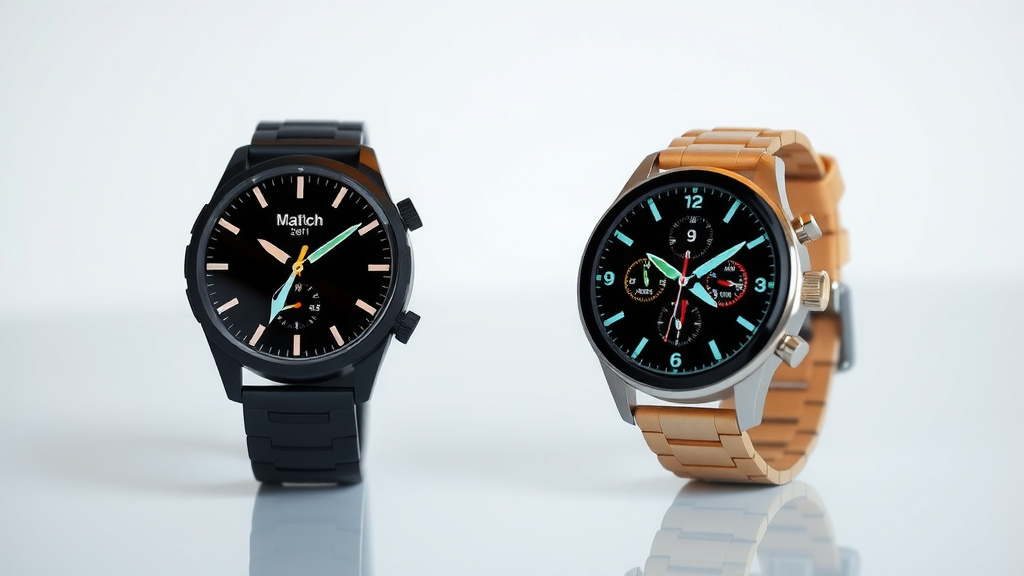
Smartwatch vs GPS Watch: Which Is Right for You
Choosing between a smartwatch and a GPS watch depends on your main goals. A smartwatch is best for everyday connectivity and fitness tracking. A GPS watch excels at detailed outdoor activity tracking. Think of it this way: one keeps you connected, the other keeps you guided on adventures.
Both offer fitness features, but their strengths differ. Smartwatches focus on notifications, apps, and general wellness monitoring. GPS watches prioritize accurate location, distance, and pace for serious athletes. Many people find they need both, or a hybrid device that offers the best of both worlds. We’ve researched both to help you decide.
- Smartwatches offer notifications and general fitness tracking.
- GPS watches provide highly accurate outdoor activity data.
- Consider your primary use: daily life or serious sports.
- Some watches blend features for versatility.
Below, we’ll break down the key differences between smartwatches and GPS watches to help you find the perfect fit for your wrist and your lifestyle.
Smartwatch Versus GPS Watch: What’s the Real Difference?
So, you’re wondering about smartwatches and GPS watches. It’s a common question! Think of it like choosing between a versatile multi-tool and a specialized hunting knife. Both are tools, but they do different jobs really well. We’ve looked into what makes each tick.
Essentially, a smartwatch is like a mini smartphone on your wrist. It keeps you connected and offers a broad range of features for daily life and general fitness. A GPS watch, on the other hand, is built for serious outdoor adventurers and athletes. Its main job is pinpoint accuracy for tracking your movements.
The Core Functionality of Each Device
What a Smartwatch Does Best
Smartwatches are your personal assistant and wellness hub. They ping you with notifications from your phone – texts, calls, emails, and app alerts. You can often reply to messages, check the weather, or even make payments directly from your wrist. Many models include music control, allowing you to manage your playlists without reaching for your phone.
When it comes to fitness, smartwatches are great for general activity tracking. They monitor your steps, heart rate, sleep patterns, and calories burned. They usually have built-in sensors that can track basic workouts like running, cycling, or swimming. This makes them excellent for everyday wellness monitoring and for casual fitness enthusiasts.
What a GPS Watch Excels At
GPS watches are purpose-built for tracking location-based activities with extreme precision. Their GPS receivers are top-notch, logging your exact route, distance covered, pace, and elevation changes. This level of detail is vital for serious runners, cyclists, hikers, and triathletes who need accurate performance data.
Beyond basic GPS, these watches often include advanced training metrics. You might find features like VO2 max estimates, recovery advisors, and training load analysis. They are designed to be rugged and have long battery life, especially when GPS is active. This ensures they can keep up with your longest expeditions or races.
Key Features Compared
Connectivity and Smart Features
Smartwatches win hands down here. They offer smartphone integration, app stores, and often cellular capabilities. You can stream music, use voice assistants, and download third-party apps to customize your watch experience. Some even have built-in cameras or NFC for contactless payments. It’s all about staying connected and having information at your fingertips.
GPS watches typically have minimal smart features. You might get basic notifications from your phone, like incoming calls or texts. However, you won’t find extensive app ecosystems or the ability to run full apps on the watch itself. Their focus is strictly on performance tracking and durability.
Fitness and Health Tracking Capabilities
Here’s where it gets interesting. Both offer fitness tracking, but with different depths. Smartwatches provide a good overview of your daily health. They track steps, heart rate, sleep, and can log various common exercises. They are fantastic for understanding your general wellness and activity levels.
GPS watches offer much more specialized fitness data. For athletes, this means tracking precise pace, cadence, stride length, and power output for sports like running or cycling. They often include advanced features like multi-sport modes, mapping, and navigation tools. Some even offer physiological metrics to help you train smarter, not just harder.
Durability and Battery Life
When it comes to toughness, GPS watches are usually built like tanks. They often feature robust materials like stainless steel or titanium and have higher water-resistance ratings. This makes them ideal for harsh outdoor conditions. Their battery life, especially with GPS active, is often superior to standard smartwatches, lasting days or even weeks on a single charge depending on usage.
Smartwatches can vary greatly in durability. Some high-end models are quite rugged, but many are designed more for everyday wear. Battery life is typically shorter, often requiring daily charging, especially if you’re using the connected features heavily or engaging in GPS-tracked workouts. You might get a full day or two, but rarely weeks.
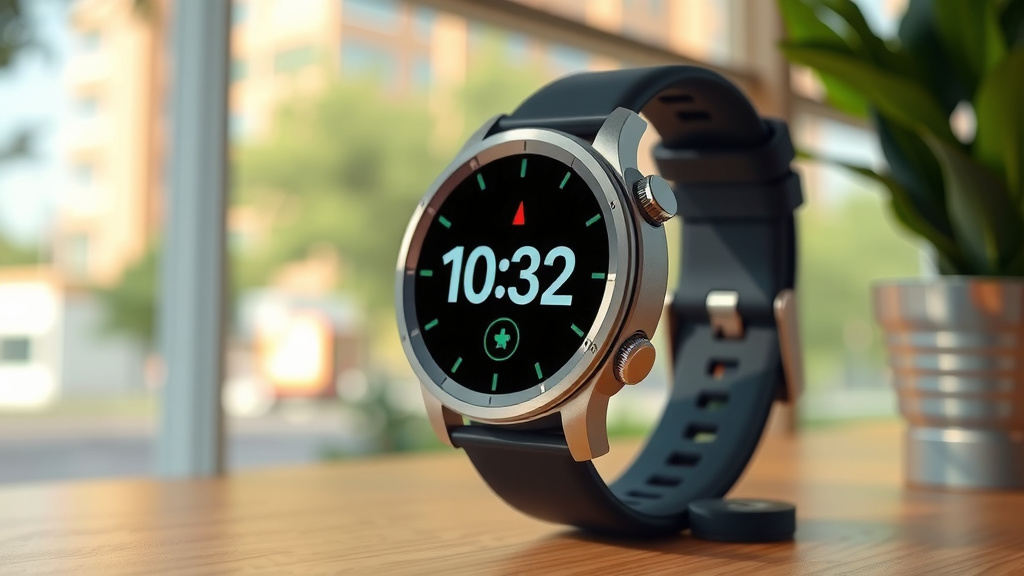
Who Should Choose Which?
For the Everyday User and Casual Exerciser
If you want to stay connected, manage your day, and keep an eye on your general fitness, a smartwatch is likely your best bet. You’ll get handy notifications, music control, and solid tracking for your daily steps and workouts. It’s like having a mini-computer that also helps you live a healthier life. Many popular models offer great value for this type of usage.
For the Serious Athlete and Outdoor Adventurer
If your passion involves hitting the trails, the road, or the water for long periods, and you demand accuracy, then a GPS watch is your indispensable companion. The detailed data, robust build, and longer battery life are designed for performance and endurance. Think of it as a specialized tool that helps you push your limits and analyze every aspect of your training.
Can You Have the Best of Both Worlds?
Absolutely! The lines between smartwatches and GPS watches are blurring. Many modern smartwatches now offer advanced GPS tracking and a surprising array of sports modes. Likewise, some high-end GPS watches are incorporating more smart features, like music storage and contactless payments.
When choosing, consider your primary needs. Do you need a robust smartphone extension, or a dedicated device for outdoor performance? You might even find a “hybrid” device that balances these needs. Here’s a quick checklist to help you decide:
- Do you need phone notifications on your wrist?
- How important is detailed GPS accuracy for your activities?
- Will you be using advanced training metrics?
- Do you prioritize a long battery life for multi-day adventures?
- How much do you rely on apps and smart features daily?
- What’s your budget for this tech upgrade?
By weighing these points, you can narrow down the options to find the perfect watch for your lifestyle and fitness goals.
Conclusion
Choosing between a smartwatch and a GPS watch boils down to your primary needs. A smartwatch is your go-to for daily connectivity, general fitness, and smart features. It keeps you informed and motivated throughout your day. A dedicated GPS watch is built for precision, offering detailed metrics and durability for serious athletes and outdoor adventurers. As technology advances, many devices now blend these capabilities, so consider your lifestyle carefully. Your perfect watch is out there; take a moment to decide what truly matters most to your routine and your training goals.
Frequently Asked Questions
Can I use a smartwatch for serious running training?
Yes, many modern smartwatches offer robust GPS tracking and various running metrics. While they might not match the specialized features of a dedicated GPS watch for elite athletes, they are usually sufficient for most runners. You’ll get accurate pace, distance, and heart rate data for your runs.
How much battery life can I expect from a GPS watch during activities?
GPS watches are known for their excellent battery life, especially during workouts. Depending on the model and GPS usage, you can often expect anywhere from 15 to 40 hours of continuous GPS tracking. Some can even last for days or weeks in smartwatch mode.
Are smartwatches waterproof enough for swimming?
Most smartwatches are water-resistant, often rated for swimming. They can typically track your swims, measuring laps, distance, and strokes. Always check the specific water-resistance rating of the model you’re interested in to ensure it meets your needs.
Do GPS watches have smartphone notifications?
Yes, most GPS watches offer basic smartphone notifications. You can usually see incoming calls, texts, and app alerts on your wrist. However, the level of interaction, like replying to messages, is often limited compared to a full smartwatch.
What is VO2 Max, and do I need it on my watch?
VO2 Max is a measure of your cardiorespiratory fitness. Many advanced GPS watches can estimate your VO2 Max, which helps you gauge your fitness level and track improvements over time. It’s a useful metric for serious athletes looking to optimize their training and performance.

![7 Best Budget Smart Watch For Iphone [2026]](https://smartwatchbest.com/wp-content/uploads/2026/08/7-best-budget-smart-watch-for-iphone-2026-featured-768x432.jpg)