
Smartwatch vs Fitness Tracker: Which is Right for You
Choosing between a smartwatch vs. fitness tracker depends on what you want them to do. A smartwatch is like a mini-smartphone on your wrist, handling calls, apps, and payments. A fitness tracker is more focused on monitoring your health and activity, like steps and heart rate.
While many smartwatches offer robust fitness tracking features, dedicated fitness trackers often provide more in-depth health data. We found that the best choice really comes down to your personal needs and budget. Think about whether you need all the smart features or just the core fitness metrics.
- Smartwatches offer apps, calls, and payments.
- Fitness trackers focus on activity and health stats.
- Many smartwatches have fitness features built-in.
- Dedicated trackers may offer deeper health insights.
- Your choice depends on your priorities and budget.
Let’s break down the key differences to help you decide which device is the perfect fit for your lifestyle.
Smartwatch vs. Fitness Tracker: Which Wearable Fits Your Life?
So, you’re thinking about getting a wearable, but you’re stuck between a smartwatch and a fitness tracker. It’s a common dilemma! We get it. Both can track your steps and sleep, but they offer very different experiences. Let’s figure out which one is your perfect match.
What Exactly Is a Fitness Tracker?
Think of a fitness tracker as your personal health cheerleader. Its main job is to monitor your body’s activity and basic health metrics. They’re usually sleek, lightweight, and designed for comfort during workouts and sleep. Their focus is on data and improvement.
Core Functions of a Fitness Tracker
At their heart, fitness trackers excel at tracking movement. They count your steps, measure the distance you cover, and estimate calories burned. Many also monitor your heart rate throughout the day and during exercise. Sleep tracking is another big feature. They analyze your sleep patterns, telling you how much time you spent in light, deep, and REM sleep. This information can help you understand your sleep quality better.
- Step counting
- Distance tracking
- Calorie estimation
- Heart rate monitoring
- Sleep pattern analysis
Who Benefits Most from a Fitness Tracker?
These devices are fantastic for people who want a clear picture of their daily activity and general health. If you’re focused on hitting a daily step goal, improving your sleep, or simply getting a baseline of your fitness, a tracker is a solid choice. Athletes looking to monitor specific workout metrics might also find them useful, though more advanced sports watches exist for serious training.
What Is a Smartwatch, Really?
A smartwatch is like a mini-computer on your wrist. It does everything a fitness tracker can, but then it adds a whole layer of smart features. You can connect it to your smartphone to receive notifications, reply to messages, make calls, and even pay for things. It’s designed to keep you connected and informed.
Key Smartwatch Capabilities
Beyond fitness tracking, smartwatches are all about connectivity and convenience. You’ll get alerts for calls, texts, and app notifications right on your wrist. Many allow you to respond to messages or take calls without pulling out your phone. Payment systems like Apple Pay or Google Pay are common, making quick purchases a breeze. You can also often download apps, control your music, and use voice assistants.
App Ecosystem and Customization
One of the biggest draws of smartwatches is their app support. You can often download specialized apps for everything from navigation to meditation. This level of customization means you can tailor the watch to your specific needs and interests. Plus, many smartwatches let you change watch faces, giving your device a fresh look.
Connectivity Features
Smartwatches rely on Bluetooth to connect to your smartphone. This connection is what enables notifications and allows for features like remote music control. Some smartwatches also have their own cellular connection (LTE), meaning they can function independently of your phone for calls, texts, and data. Smartwatches rely on Bluetooth to connect to your smartphone, and this guide explains how to connect a smart watch to your phone.
Who Is a Smartwatch For?
A smartwatch is ideal if you want a convenient hub for your digital life on your wrist. If you’re someone who likes to stay connected, likes the idea of quick payments, and enjoys having access to apps without reaching for your phone, a smartwatch makes a lot of sense. It’s a lifestyle device that also happens to track your health.
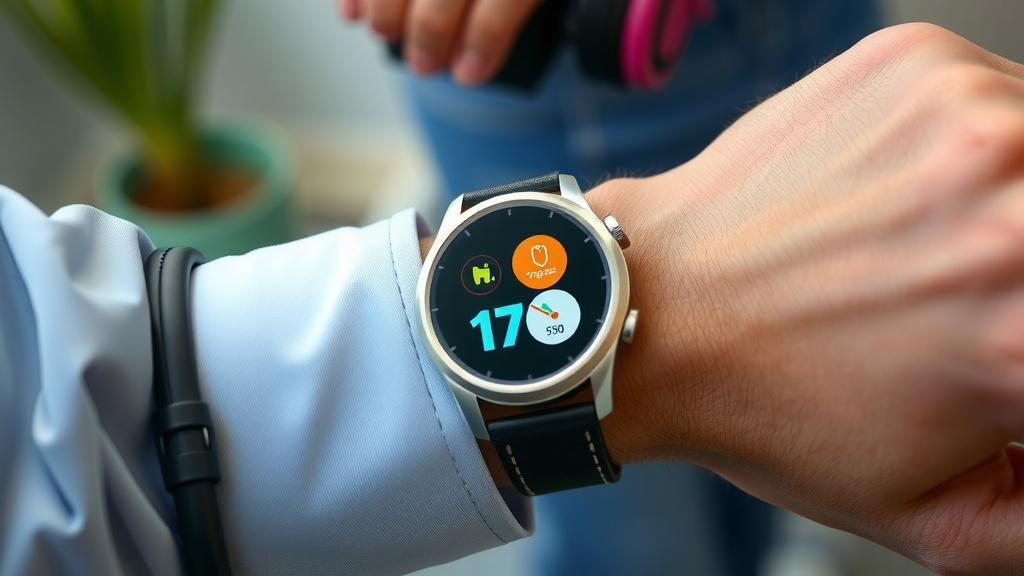
Comparing Smartwatch vs. Fitness Tracker Features
Let’s lay out how these two types of devices stack up against each other in a simple comparison. We found that while there’s overlap, their core strengths are distinct.
| Feature | Fitness Tracker | Smartwatch |
|---|---|---|
| Primary Focus | Activity and health monitoring | Connectivity, apps, and notifications |
| Fitness Tracking Depth | Often detailed, basic metrics | Good, may be less specialized |
| Smart Features | Minimal (e.g., basic notifications) | Extensive (calls, texts, apps, payments) |
| Battery Life | Typically longer (days to weeks) | Typically shorter (1-2 days) |
| Screen | Often smaller, simpler displays | Larger, full-color touchscreens |
| Price Range | Generally more affordable | Can be more expensive |
Battery Life: A Major Difference
One area where fitness trackers often shine is battery life. Because they have simpler screens and fewer power-hungry features, many trackers can last for several days or even weeks on a single charge. Smartwatches, with their bright displays and constant connectivity, usually need charging every day or two. This is something to consider if you dislike frequent charging.
Design and Aesthetics
Fitness trackers tend to be more understated and sporty. They are often made of flexible materials for comfort. Smartwatches, on the other hand, often resemble traditional watches, with more premium materials like metal or ceramic and a wider variety of band options. The larger screen on a smartwatch also contributes to a different look and feel.
Making Your Decision: What Matters Most?
To help you decide, ask yourself a few key questions:
- Do you primarily want to track your workouts and sleep, or do you need quick access to notifications and apps?
- How important is long battery life to you?
- What’s your budget?
- Do you prefer a minimalist device or something with more bells and whistles?
Your Health Goals Checklist
If your main focus is on your health, let’s see if a tracker or smartwatch fits better. Consider these points:
- Counting steps daily? Both are great.
- Monitoring heart rate during workouts? Both do this well.
- Deep sleep analysis? Some trackers offer more detail.
- Tracking specific sports? High-end trackers or smartwatches with GPS are best.
- General wellness reminders (e.g., stand up, breathe)? Most devices offer this.
- Understanding your overall activity trends? Both can provide this data.
Ultimately, both types of devices can help you be more aware of your health. The key is choosing the one whose features align best with your daily routines and personal goals. We found that many people start with a tracker and then upgrade to a smartwatch if they find they want more functionality.
Conclusion
You’ve seen how smartwatches and fitness trackers serve different primary purposes. A fitness tracker is your dedicated health companion, focusing on activity and sleep metrics. A smartwatch acts as a wrist-worn extension of your phone, offering connectivity, apps, and convenience alongside fitness tracking. We found that the best device for you hinges on your priorities. If you’re all about health stats and simplicity, a tracker is likely your winner. If you want a connected lifestyle hub, a smartwatch is your best bet. Consider your daily needs and budget to make the right choice!
Frequently Asked Questions
Can a fitness tracker replace a smartwatch for notifications?
Most basic fitness trackers offer very limited notification support. You might get alerts for calls or texts, but you usually can’t interact with them. Smartwatches are designed for robust notification management, allowing you to view and often respond to alerts directly from your wrist.
Are fitness trackers accurate for calorie counting?
Fitness trackers provide estimates for calorie burn, which are generally good for tracking trends over time. Accuracy can vary based on the device and how well it measures your heart rate and activity. They offer a useful ballpark figure rather than a precise measurement.
Which type of wearable has better battery life?
Fitness trackers typically boast significantly longer battery life, often lasting a week or more on a single charge. This is because they have simpler screens and fewer power-intensive features. Smartwatches, with their full-color displays and constant connectivity, usually require charging every 1-2 days.
Can I pay for things with a fitness tracker?
Generally, no. Contactless payment features like Apple Pay or Google Pay are almost exclusively found on smartwatches. Fitness trackers are built for health monitoring and do not typically include the hardware or software necessary for mobile payments.
Do I need a smartphone for a fitness tracker or smartwatch to work?
Both devices usually require a paired smartphone for initial setup and to access more detailed data analysis. While some smartwatches with cellular capabilities can function independently for calls and data, most core features, especially syncing and app updates, depend on a smartphone connection.
![7 Best Galaxy Smart Watches [2026]](https://smartwatchbest.com/wp-content/uploads/2026/08/7-best-galaxy-smart-watches-2026-featured-768x432.jpg)
![7 Best Smart Watch Sale [2026]](https://smartwatchbest.com/wp-content/uploads/2026/10/7-best-smart-watch-sale-2026-featured-768x432.jpg)
![7 Best Smart Watch For Jogging [2026]](https://smartwatchbest.com/wp-content/uploads/2026/09/7-best-smart-watch-for-jogging-2026-featured-768x432.jpg)
![7 Best Android Smart Watch For Seniors [2026]](https://smartwatchbest.com/wp-content/uploads/2026/06/7-best-android-smart-watch-for-seniors-2026-featured-768x432.jpg)