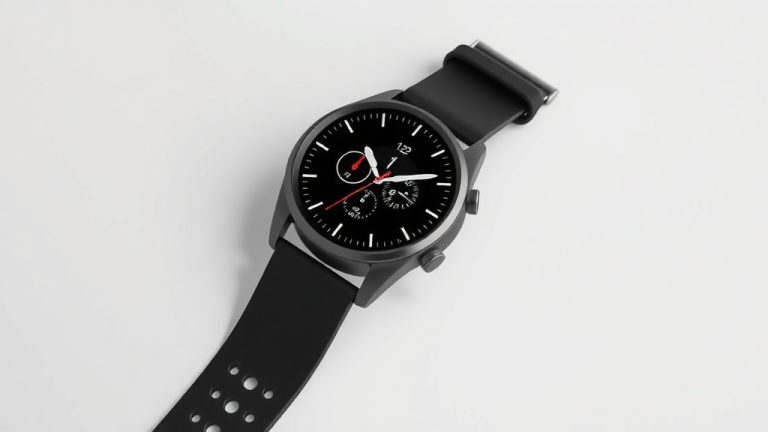
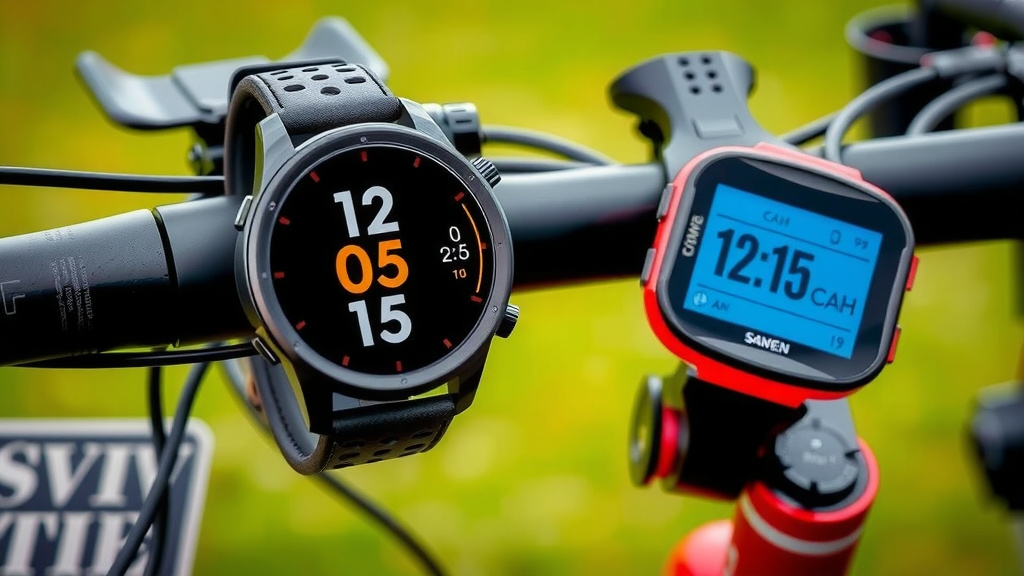
Smartwatch vs Bike Computer: Which Is Best For Your Rides
Choosing between a smartwatch and a bike computer depends on your main goal. While smartwatches offer general fitness tracking and notifications, dedicated bike computers provide superior GPS accuracy and cycling-specific data for serious riders.
Many cyclists find their smartwatch lacks the robust features and battery life needed for long rides. A bike computer is built for the saddle, offering features like detailed mapping, power meter compatibility, and sunlight-readable screens. Smartwatches are great for everyday use and casual rides, but they can fall short for performance-focused cyclists. We found that for dedicated training, a bike computer is often the better investment.
- Smartwatch: Good for general fitness and notifications.
- Bike Computer: Best for dedicated cycling, GPS, and performance data.
- Accuracy: Bike computers usually offer more precise GPS.
- Battery Life: Dedicated units typically last longer on rides.
- Features: Bike computers have cycling-specific metrics.
Let’s break down the pros and cons of each to help you decide which is right for your rides.
Smartwatch vs. Bike Computer: Which Device Is Right For Your Rides?
When you’re deciding between a smartwatch and a dedicated bike computer, think about how you ride. Are you just starting out, or are you training for your next big race? We’ve looked at both options and found that your cycling goals are the main driver for this choice. A smartwatch can do a lot, but a bike computer is built specifically for the demands of the saddle. Let’s dive into what each device brings to the table.
The Smartwatch: Your Everyday Companion
Your smartwatch is likely already on your wrist. It’s your fitness buddy for daily steps and gym sessions. It also keeps you connected with notifications from your phone. For casual rides, it can track distance and time. Many smartwatches use built-in GPS to map your route. This is perfectly fine for a leisurely spin around the park or a short commute. They’re also great for tracking other activities like swimming or running. You get a single device for many aspects of your active life.
Smartwatch Strengths for Cyclists
One big plus is convenience. You don’t need a second device to charge and manage. If you’re a weekend warrior, a smartwatch might be all you need. You can see your heart rate, calories burned, and basic speed right on your wrist. Some models even offer rudimentary mapping. We found that for casual riders, the smartwatch covers the essential metrics well. Plus, they look good and serve many non-cycling purposes.
Where Smartwatches Fall Short for Cycling
However, when you start riding longer or more seriously, you might hit some limits. Screen visibility can be an issue. Small smartwatch screens are hard to read in bright sunlight. Battery life is another common concern. A long century ride can drain a smartwatch battery quickly, leaving you without tracking or navigation. We found that dedicated bike computers often have much better battery performance. Also, the GPS accuracy on some smartwatches can be less precise than on dedicated units. This can lead to inaccurate distance and speed data.
The Dedicated Bike Computer: Built for the Road and Trail
A bike computer, on the other hand, is designed from the ground up for cycling. Think of it as your bike’s dashboard. It’s built to withstand the elements and provide data relevant to your ride. These devices usually mount directly to your handlebars, putting critical information in your line of sight. This makes it much easier and safer to check your stats while riding. We found that this placement significantly improves usability for serious cyclists.
Superior GPS and Navigation
One of the biggest advantages of a bike computer is its GPS accuracy. They often use more advanced GPS chips and can connect to multiple satellite systems simultaneously. This means more reliable tracking, even under tree cover or in urban canyons. For navigation, bike computers excel. They offer detailed maps specifically designed for cycling routes. You can plan complex routes, download GPX files, and get turn-by-turn directions. Many experts say this level of navigation is essential for exploring new areas or following specific training courses (National Geospatial-Intelligence Agency).
Cycling-Specific Data and Metrics
Bike computers shine when it comes to specialized cycling data. They seamlessly connect with power meters, cadence sensors, and heart rate monitors. This allows you to track metrics like power output, cadence, and advanced heart rate zones. Training with power is a major step for many cyclists aiming to improve performance. Bike computers provide the tools to do just that. You can customize your data screens to show exactly what you want to see. This data-driven approach helps you train smarter and reach your goals faster.
Durability and Battery Life
Bike computers are built tough. They are designed to be water-resistant, shock-proof, and able to handle vibrations from the road. Their screens are typically larger and designed for excellent readability in all lighting conditions, especially direct sunlight. Battery life is another area where bike computers often win. Many high-end models can last for 20, 30, or even 40+ hours on a single charge. This is crucial for ultra-endurance events or multi-day bike tours. We found that this extended battery life provides peace of mind on very long rides.
Key Differences Summarized
To help you visualize the choice, let’s look at a direct comparison. Think about your typical ride and what you want to get out of it. Your needs will quickly point you toward the right device.
| Feature | Smartwatch | Bike Computer |
|---|---|---|
| Primary Use | General fitness, notifications, casual tracking | Dedicated cycling performance, navigation, training |
| GPS Accuracy | Good to very good | Excellent, often superior |
| Screen Readability | Can be challenging in bright sun | Optimized for sunlight, larger displays |
| Battery Life (Rides) | Moderate, may not last all day | Long, often 20+ hours |
| Cycling-Specific Data | Basic (speed, distance, HR) | Advanced (power, cadence, advanced HR zones) |
| Durability for Cycling | Varies, not always ideal for rough conditions | Built to withstand weather and impacts |
| Connectivity | Phone notifications, general health apps | Power meters, speed/cadence sensors, training platforms |
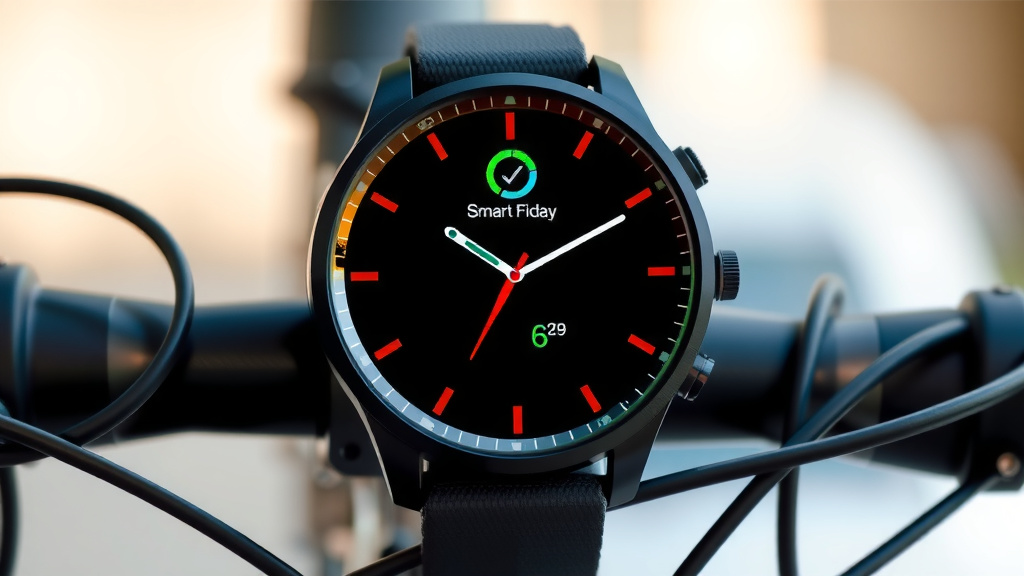
Making Your Choice: What’s Your Cycling Style?
So, which one is for you? If you’re primarily interested in tracking your daily activity and enjoy casual bike rides, your smartwatch might be sufficient. It keeps things simple with one device for everything. You get basic ride data and can still get your texts. However, if cycling is a serious hobby, a passion, or a sport you want to improve in, a dedicated bike computer is likely the better investment. The enhanced GPS, specialized data, and superior battery life make a real difference. Many cyclists we’ve spoken with found that upgrading to a bike computer significantly boosted their training and riding enjoyment.
Your Checklist for Deciding
Ask yourself these questions to help nail down your decision:
- Do you ride for more than 4-5 hours at a time regularly?
- Is tracking your power output important for your training?
- Do you often ride in conditions where screen visibility is poor?
- Do you plan on using advanced navigation features on your rides?
- Is consistent, accurate GPS data a top priority for you?
- Do you want a device specifically built to handle the demands of cycling?
Conclusion
You’ve seen that both smartwatches and bike computers can track your rides, but they serve different needs. Your smartwatch is a great all-around fitness tool for casual cycling and everyday life. For serious cyclists focused on performance, navigation, and long-distance riding, a dedicated bike computer is the clear winner. We found that the dedicated features of a bike computer truly enhance the cycling experience for dedicated riders. Consider your riding style and goals. If you’re looking to improve your training or explore further, an upgrade to a bike computer is likely your next best step.
Frequently Asked Questions
Can a smartwatch replace a bike computer for all cycling?
For casual rides, a smartwatch can provide basic metrics like distance, time, and heart rate. However, it often falls short on GPS accuracy, screen readability in sunlight, and battery life for longer rides. Serious cyclists usually need the specialized features of a bike computer.
How much better is a bike computer’s GPS than a smartwatch’s?
Bike computers typically use more advanced GPS hardware and software. This results in more precise tracking, especially in areas with poor satellite reception like dense forests or city canyons. You’ll get more reliable distance and route data.
Will a smartwatch battery last for a full day of riding?
Generally, no. While battery life varies by model, most smartwatches struggle to last a full day of continuous GPS use. Dedicated bike computers are designed for endurance, with many offering 20+ hours of battery life on a single charge.
What kind of cycling-specific data can a bike computer track that a smartwatch can’t?
Bike computers excel at tracking advanced metrics like power output from a power meter, cadence (pedal rotations per minute), and specific heart rate zones for training. They also offer more robust navigation features and route planning.
Is a bike computer worth it if I only ride occasionally?
If your rides are short, infrequent, and you’re not focused on performance metrics, your smartwatch is likely sufficient. A bike computer is a bigger investment, best suited for those who ride regularly and want detailed data or advanced navigation.
![7 Best Smart Watch Overall [2026]](https://smartwatchbest.com/wp-content/uploads/2026/10/7-best-smart-watch-overall-2026-featured-768x432.jpg)
![7 Best Android Smart Watch For Heart Monitoring [2026]](https://smartwatchbest.com/wp-content/uploads/2026/06/7-best-android-smart-watch-for-heart-monitoring-2026-featured-768x432.jpg)