How Accurate Are Smart Watches at Measuring Heart Rate During Exercise?
Have you ever wondered how that tiny device on your wrist manages to track your heartbeat? It’s absolutely fascinating when you think about it. Just a couple of decades ago, monitoring your heart rate required bulky equipment and a visit to a medical facility. Today, you can glance at your wrist and instantly know how many times your heart is beating per minute. But here’s the million-dollar question: just how reliable is this data really?
The smartwatch revolution has transformed fitness tracking from a niche hobby into a mainstream health practice. Millions of people worldwide now rely on these devices to monitor their cardiovascular performance during workouts, track their resting heart rate, and even detect irregular rhythms. Yet despite their popularity, many users remain skeptical about whether these readings are genuinely accurate or simply close enough to be useful.
Understanding How Smartwatches Measure Heart Rate
The Technology Behind the Measurements
Smartwatches use a technology called photoplethysmography, or PPG for short. Think of it like this: your heart pumps blood through your arteries with each beat, and this blood absorbs light differently than the surrounding tissue. The smartwatch contains tiny LED lights and sensors that detect these minute changes in light absorption. When blood flows into your wrist, it absorbs more light. When it flows out, less light is absorbed. By measuring these fluctuations, the device can determine your heart rate.
The beauty of this approach is its non-invasive nature. You don’t need electrodes, chest straps, or any uncomfortable equipment. The technology is remarkably clever, yet it operates entirely silently and invisibly on your wrist. Most smartwatches use green LED lights for this purpose, though some premium models incorporate multiple colors for enhanced accuracy.
The Role of Processors and Algorithms
Capturing the light signal is only half the battle. The real magic happens in how smartwatches process this raw data. Advanced algorithms analyze the light patterns, filter out noise, and calculate your heart rate. These algorithms are constantly evolving, with manufacturers investing heavily in machine learning to improve accuracy.
Think of it like listening to music at a loud concert. Your ears receive sound from the music, but also from thousands of people talking and moving around. Your brain somehow filters out the noise and focuses on the melody. Similarly, smartwatch algorithms filter out movements, skin texture variations, and other interference to isolate your true heart rate.
Factors That Significantly Affect Measurement Accuracy
Skin Tone and Melanin Levels
Here’s something many people don’t realize: smartwatch accuracy isn’t the same for everyone. Research has shown that these devices tend to be more accurate for people with lighter skin tones. Why? Because melanin, the pigment that gives skin its color, affects how light is absorbed and reflected. Higher melanin levels can interfere with the optical sensors, making readings less precise.
This isn’t a trivial issue. Studies published in medical journals have documented accuracy variations of up to 10-15% between different skin tones when using the same smartwatch model. It’s a reminder that technology development must account for human diversity, and currently, not all devices do this equally well.
The Fit and Position of Your Watch
Wearing your smartwatch correctly is absolutely crucial for accurate readings. The device needs to be snug against your skin but not uncomfortably tight. If it’s too loose, the sensors won’t make proper contact with your skin. If it’s too tight, you risk restricting blood flow, which paradoxically can also affect accuracy.
Placement matters too. Your watch should sit directly over one of the arteries in your wrist where blood flow is most detectable. If it shifts during exercise, accuracy drops. This is why many fitness enthusiasts recommend wearing your smartwatch slightly higher on your wrist, above the bone, rather than lower down.
Movement and Exercise Intensity
This is where smartwatches really struggle. During intense exercise, your arm movements can create vibrations that confuse the sensors. Imagine trying to read a text message while running on a treadmill. The motion makes it harder to focus, right? Your smartwatch faces a similar challenge.
High-impact activities like running, jumping, or CrossFit training can produce readings that are off by 10-20 beats per minute. Low-impact activities like walking or cycling typically yield more accurate results. Swimming presents a unique challenge because water interferes with the optical sensors, which is why most smartwatches aren’t reliable for heart rate tracking in pools.
Skin Characteristics and Conditions
Dry skin, excessive body hair, tattoos, and scars can all impact how well the sensors function. Tattoos are particularly problematic because the ink absorbs light in ways that can confuse the algorithm. If you have a tattoo on your wrist, you might want to wear your smartwatch on the other arm for better accuracy.
Moisture levels also play a role. Sweaty skin can actually improve contact and sometimes enhance accuracy, but excessive moisture or water exposure can cause false readings. It’s a delicate balance that manufacturers continue to refine.
Comparing Smartwatches to Medical-Grade Heart Rate Monitors
What Research Actually Shows
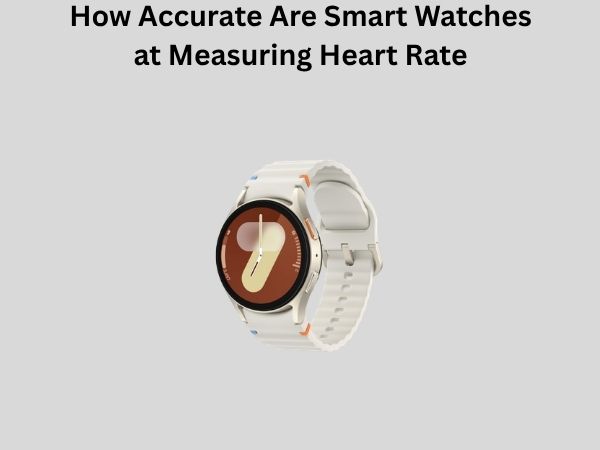
When researchers compare smartwatch heart rate measurements to clinical-grade equipment like ECG monitors or chest-strap heart rate monitors, the results are mixed but generally encouraging for resting measurements. During rest, many modern smartwatches achieve accuracy rates of 95-99%, which is excellent.
However, during exercise, accuracy typically drops to 85-95%, depending on the device and the type of activity. Chest-strap monitors, which have been the gold standard for decades, maintain accuracy levels above 99% even during intense exercise. This gap exists because chest straps measure electrical signals from the heart directly, while smartwatches rely on optical methods that are more susceptible to motion artifacts.
Brand Differences That Matter
Not all smartwatches are created equal. Premium brands like Apple, Garmin, and Fitbit have invested significantly in heart rate technology and tend to deliver more accurate results than budget alternatives. This doesn’t mean expensive always equals better, but it’s generally true in the smartwatch market.
Apple Watch Series models, for instance, consistently rank high in accuracy studies. Garmin watches, designed with athletes in mind, often perform admirably during exercise. Budget smartwatches sometimes cut corners on sensor quality or algorithm sophistication, which can result in noticeably less accurate readings.
Real-World Accuracy During Different Exercise Types
Steady-State Cardio Activities
If you’re doing steady-paced exercise like jogging at a consistent speed, cycling at a fixed intensity, or using an elliptical machine, your smartwatch can be surprisingly accurate. These activities produce relatively stable arm movements and consistent heart rate elevation, which plays to the strengths of optical sensors.
You can typically expect accuracy within 5-10 beats per minute of your true heart rate during these activities. That’s generally acceptable for fitness tracking and training purposes, though it might not be precise enough if you’re training for competitive events where heart rate zones are critical.
High-Impact and Interval Training
Now switch to HIIT workouts, boxing, or basketball, and accuracy takes a hit. The rapid arm movements, sudden changes in heart rate, and intense muscle engagement create challenging conditions for optical sensors. Your smartwatch might read 150 bpm when you’re actually at 165 bpm, or vice versa.
During sprints or maximum effort intervals, expect potential errors of 15-25 beats per minute or even more. This is actually important to understand because if you’re using heart rate zones for training intensity, these errors could lead you to train harder or easier than intended.
Weightlifting and Resistance Training
Strength training presents unique challenges. Heart rate spikes irregularly, arm movements are complex and multi-directional, and the watch may shift position during exercises. Many smartwatch users find their devices provide inconsistent readings during weightlifting sessions.
For strength training, it’s often better to focus on perceived exertion or use a chest-strap monitor if precise heart rate data is important for your training plan. Your smartwatch can still provide useful trends over time, even if individual workout readings aren’t perfectly accurate.
The Skin Tone Problem: A Deeper Look
Why This Matters for Health Equity
I mentioned skin tone earlier, but this deserves more attention because it’s genuinely significant. A study from the University of California found that popular smartwatches showed substantially worse accuracy for people with darker skin. This isn’t just an inconvenience; it raises real concerns about health disparities.
When technology is less accurate for certain populations, it can lead to missed health insights, improper training decisions, or unnecessary medical follow-ups. Manufacturers are increasingly aware of this issue and are working to develop algorithms that perform equally well across all skin tones, but we’re not there yet.
What You Can Do About It
If you have darker skin and rely on smartwatch heart rate data for health or fitness reasons, consider using it primarily for trend analysis rather than absolute numbers. Pay attention to how readings change over time and how they correlate with how you feel during exercise. Additionally, consider using backup measurement methods like chest straps for important workout data.
When shopping for a smartwatch, research how different brands perform specifically for your skin tone. Some manufacturers publish transparency reports on their algorithm performance across diverse populations, which is always a good sign.
Software Algorithms and Data Processing
How Artificial Intelligence Improves Accuracy
Modern smartwatches increasingly use machine learning algorithms that improve over time. The more data your device collects, the better it becomes at filtering out noise and providing accurate readings. This is why your smartwatch might be more accurate after you’ve been wearing it for a few months than when you first unboxed it.
Some devices even use artificial intelligence to learn your personal heart rate patterns and movement signatures. They understand how your heart rate typically responds to different exercises, which helps them distinguish between true heart rate changes and sensor noise.
The Continuous Learning Advantage
Manufacturers can also improve accuracy through software updates. Unlike chest-strap monitors or other hardware devices, smartwatches can receive algorithm improvements throughout their lifetime. Apple, for instance, regularly releases watchOS updates that enhance various health tracking features, including heart rate accuracy.
This means your smartwatch might actually get more accurate over time without any hardware changes. It’s one of the genuine advantages of connected wearables compared to traditional fitness equipment.
Environmental and Weather Factors
Temperature and Your Smartwatch Accuracy
Did you know that extreme temperatures can affect smartwatch performance? Cold weather causes blood vessels to constrict, which can make it harder for sensors to detect blood flow. Hot weather has the opposite effect, typically improving sensor contact and potentially enhancing accuracy.
If you exercise in cold conditions, you might notice your smartwatch takes longer to establish an accurate reading or occasionally shows fluctuating numbers. This is why runners and winter sports enthusiasts sometimes find their heart rate data less reliable during cold-weather activities.
Sun Exposure and Reflections
Sunlight can interfere with the optical sensors in your smartwatch. The bright external light competes with the device’s internal LEDs, potentially reducing the signal quality. You might notice slightly less consistent readings during outdoor sunny activities compared to indoor workouts.
This is generally a minor factor for modern smartwatches, which have sensors designed to handle various lighting conditions. But it’s worth knowing about, especially if you’re an outdoor athlete and wondering why your readings seem less stable than someone exercising indoors.
Practical Tips for Improving Smartwatch Heart Rate Accuracy
Proper Watch Placement and Fit
- Wear your smartwatch high on your wrist, above the wrist bone where blood flow is most prominent
- Ensure the band is snug enough to prevent movement but not so tight it restricts circulation
- Tighten the band right before starting exercise to account for potential loosening during activity
- Keep the sensor area clean and dry before wearing
Pre-Workout Preparation
- Allow your smartwatch to establish a baseline reading before starting exercise
- Remove any rings or bracelets that might interfere with the sensors
- If you have tattoos on your wrist, consider wearing your watch on the other arm
- Let your device acclimate for a few minutes if you’re moving from a very cold to a very warm environment
Post-Workout Practices
- Clean the sensor area after sweaty workouts to remove salt residue
- Allow the device to dry completely before putting it back on
- Periodically check that the sensor lens isn’t scratched or damaged
Understanding the Limitations You Should Know
What Smartwatches Cannot Do
Despite their impressive capabilities, smartwatches have clear limitations. They cannot detect arrhythmias or irregular heartbeats as reliably as clinical equipment. While some premium models like the Apple Watch can detect atrial fibrillation, they’re not replacements for medical-grade diagnostics.
Smartwatches are also not suitable for cardiac rehabilitation programs where precise heart rate control is medically necessary. Anyone with known heart conditions should work with their healthcare provider rather than relying on smartwatch data for clinical decisions.
The “Good Enough” Reality
For most fitness enthusiasts, smartwatch heart rate accuracy is genuinely good enough. You don’t need 100% precision to track fitness progress or understand how your body responds to training. A reading that’s off by five to ten beats per minute won’t materially change your training decisions.
However, if you’re training for competitive events, managing a cardiac condition, or doing sport-specific training where heart rate zones are critical, you should supplement smartwatch data with more precise measurement methods.
Which Smartwatches Deliver the Best Heart Rate Accuracy
Top Performers in Recent Studies
Based on various research studies and user reports, several smartwatches consistently deliver reliable heart rate measurements. The Apple Watch Series, particularly the latest generations, ranks high for overall accuracy. Garmin’s sports watches, especially models designed for running and cycling, perform exceptionally well during steady-state exercise. Fitbit’s premium models also score well in comparative studies.
If budget is a consideration, Fitbit often provides better value than some competitors, offering solid accuracy at mid-range price points. Samsung Galaxy Watch models have also improved significantly in recent generations.
What to Look for When Choosing
Don’t just buy based on brand reputation. Consider your specific needs. If you do intense
![7 Best Lightweight Smart Watch [2026]](https://smartwatchbest.com/wp-content/uploads/2026/08/7-best-lightweight-smart-watch-2026-featured-768x432.jpg)
![7 Best Smart Watch For Diving [2026]](https://smartwatchbest.com/wp-content/uploads/2026/08/7-best-smart-watch-for-diving-2026-featured-768x432.jpg)