How Smartwatches Measure Blood Pressure Explained
Yes, many smartwatches can measure your blood pressure, but not all of them do it the same way or with the same accuracy as a traditional cuff. Some models use advanced sensors to estimate your blood pressure, while others require periodic calibration with a standard device. It’s a handy feature for keeping an eye on your health, but understanding how it works is key.
These smartwatches use different technologies to get a reading. Some might employ photoplethysmography (PPG) sensors, similar to those used for heart rate. Others might use ECG (electrocardiogram) technology. We found that while these devices offer convenient monitoring, they are often considered supplementary tools rather than precise medical instruments. Always consult with your doctor for accurate diagnoses.
- Smartwatches use sensors to estimate blood pressure.
- Accuracy can vary between models and brands.
- Some require regular calibration with a cuff.
- They are great for tracking trends, not medical diagnosis.
Ready to understand the tech behind your wrist? Let’s walk through exactly how your smartwatch measures blood pressure, step by step.
Understanding How Your Smartwatch Tracks Blood Pressure
You’ve likely seen smartwatches that claim to measure blood pressure. It’s an exciting prospect for keeping tabs on your health right from your wrist. But how does this technology actually work? It’s not as simple as a traditional blood pressure cuff, but it’s pretty clever. We found that many devices use sophisticated sensors to estimate your readings.
The Science Behind Wrist-Based Blood Pressure Monitoring
Most smartwatches that measure blood pressure rely on sensors that can detect changes in your blood flow. These sensors are often designed to do more than just track your heart rate. They’re looking for subtle signals that correlate with your blood pressure levels. It’s a bit like listening to a symphony and picking out the specific instruments playing.
Photoplethysmography (PPG) Sensors: The Heart of the Matter
A common technology used is called photoplethysmography, or PPG. You might already be familiar with it because it’s also used to measure your heart rate. This sensor shines light into your skin and measures how much light is absorbed or reflected. When your heart beats, it pumps blood, and this changes the volume of blood in your wrist. The PPG sensor picks up on these volume changes.
We found that these changes in blood volume can be used to estimate systolic and diastolic blood pressure. Think of it like watching a balloon inflate and deflate. The PPG sensor is essentially measuring the pulse wave that travels through your arteries with each heartbeat. The speed and shape of this wave can give clues about your blood pressure.
ECG (Electrocardiogram) and its Role
Some advanced smartwatches also incorporate an ECG sensor. While its primary use is to detect irregular heart rhythms like atrial fibrillation, it can also be used in blood pressure estimation. An ECG measures the electrical activity of your heart. This can help determine when your heart is contracting, which is essential for timing blood pressure measurements.
By combining data from the ECG and the PPG sensor, some watches can create a more comprehensive picture. The ECG tells the watch *when* the heart beats, and the PPG sensor helps analyze the resulting blood flow wave. We found that this combined approach can potentially lead to more accurate estimations than PPG alone.
Calibration: Bridging the Gap to Accuracy
This is a really important point. Because smartwatches estimate blood pressure, they often need to be calibrated with a traditional cuff. This means you’ll need to take your blood pressure manually with a standard device every so often. You then enter those readings into your smartwatch app.
Why is this calibration needed? Well, everyone’s body is different. Factors like your skin tone, the thickness of your wrist, and how tightly you wear the watch can affect the sensor readings. Calibration helps the watch’s algorithm learn your personal baseline and adjust its estimates accordingly. Many experts suggest calibrating at least once a month, or whenever you notice a significant change in your readings.
We found that without regular calibration, the accuracy of your smartwatch’s blood pressure readings can drift over time. It’s like tuning a musical instrument; it needs to be adjusted periodically to sound its best.
The Measurement Process: What You’ll Experience
When you decide to take a reading, the process is usually straightforward. You’ll typically need to be still and quiet. It’s best to be seated with your arm resting at heart level. This helps ensure you get the most reliable reading possible, similar to how you’d prepare for a manual cuff reading.
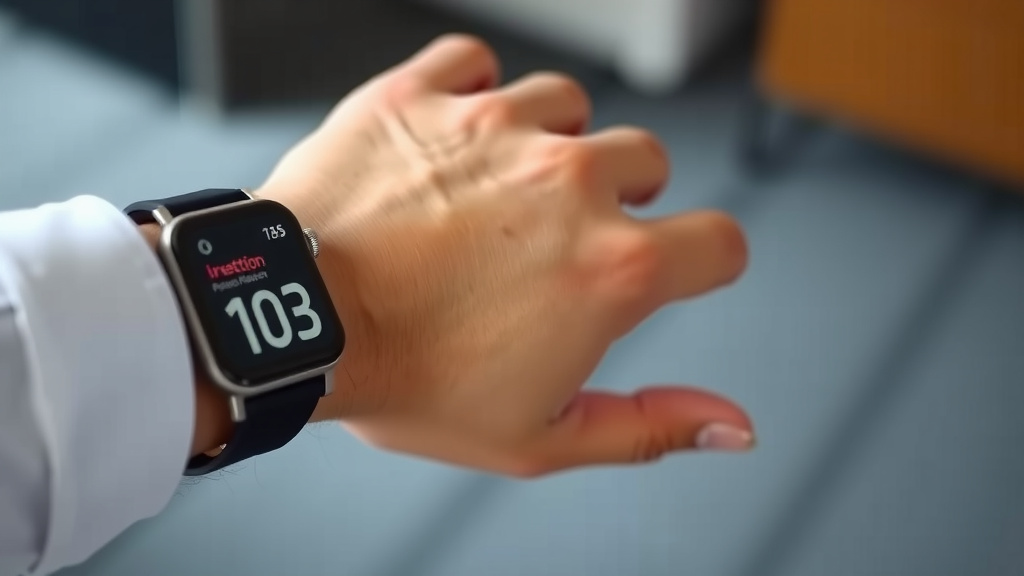
The watch might prompt you to stay relaxed for a minute or so before starting. Then, the sensors go to work. You might feel a slight pressure or warmth on your wrist as the sensors gather data. The entire process usually takes less than a minute. Afterwards, your estimated blood pressure reading will appear on the watch face or in its companion app.
What the Readings Mean (and Don’t Mean)
It’s crucial to understand that smartwatches provide estimated blood pressure readings. They are not a substitute for medical-grade devices. Organizations like the American Heart Association emphasize that home monitoring is useful for tracking trends, but diagnoses should always be made by a healthcare professional.
Think of your smartwatch as a health tracker, not a diagnostic tool. It can help you identify patterns and alert you to potential changes. If you see consistently high or low readings on your watch, and especially if they are confirmed by a cuff and you feel unwell, it’s time to consult your doctor. They can provide an accurate diagnosis and discuss treatment options.
Factors Affecting Accuracy
Several things can influence how accurate your smartwatch’s blood pressure readings are:
- Movement: Even slight movements during the reading can skew results.
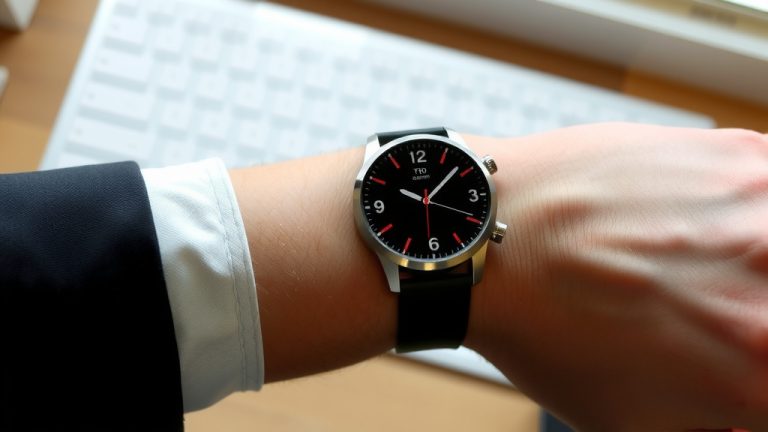
- Watch Fit: The watch needs to be snug, but not too tight. Too loose, and the sensors won’t get good contact. Too tight, and it could affect blood flow.
- Skin Tone: We found that some studies suggest darker skin tones can sometimes make PPG readings less reliable due to melanin absorbing light.
- Temperature: Cold hands can reduce blood flow, potentially impacting accuracy.
- Hydration and Stress: Your body’s state can influence blood pressure, and therefore, the readings.
- Device Model: Different brands and models use slightly different algorithms and sensor technology, leading to varying levels of accuracy.
Comparing Smartwatch vs. Traditional Cuff Readings
Here’s a quick look at how they stack up:
| Feature | Smartwatch (Estimated) | Traditional Cuff (Actual) |
|---|---|---|
| Accuracy | Good for trends, requires calibration. | Medical-grade accuracy when used correctly. |
| Convenience | Very high, always on your wrist. | Requires a separate device and process. |
| Measurement | Estimates based on pulse wave analysis. | Directly measures arterial pressure. |
| Calibration Need | Regular calibration with a cuff needed. | No external calibration required. |
| Cost | Part of a smartwatch purchase (can be higher upfront). | Generally less expensive for a standalone device. |
Your Smartwatch Blood Pressure Checklist
To get the most out of your smartwatch’s blood pressure feature, remember these key steps:
- Calibrate regularly with a traditional cuff.
- Sit still and relax before and during measurements.
- Rest your arm at heart level.
- Ensure a proper watch fit – snug but not too tight.
- Check your readings against your cuff measurements.
- Consult your doctor for any health concerns.
Conclusion
You now understand how your smartwatch estimates blood pressure using sensors like PPG and ECG. While these devices offer amazing convenience for tracking health trends, remember they’re not a replacement for medical-grade cuffs. Consistent calibration with a traditional device is key for accuracy. Use your smartwatch as a helpful tool to spot patterns and stay informed. Always discuss any health concerns or significant readings with your doctor for a proper diagnosis.
Frequently Asked Questions
Can I rely solely on my smartwatch for blood pressure readings?
No, you should not rely solely on your smartwatch. While great for tracking trends, these devices provide estimated readings. They require regular calibration with a traditional cuff for accuracy and should not replace medical-grade instruments for diagnosis.
How often should I calibrate my smartwatch for blood pressure?
It’s generally recommended to calibrate your smartwatch with a traditional blood pressure cuff at least once a month. You may also want to recalibrate if you notice a significant change in your readings or if the watch prompts you to do so.
Why does my smartwatch blood pressure reading differ from a traditional cuff?
Differences occur because smartwatches estimate blood pressure based on pulse wave analysis, not direct measurement. Factors like sensor technology, individual physiology, watch fit, and the need for calibration can all contribute to variations between readings.
Can wearing my smartwatch too tight affect my blood pressure readings?
Yes, wearing your smartwatch too tight can affect blood pressure readings. Excessive tightness can restrict blood flow, leading to inaccurate, potentially lower, systolic readings. The watch should be snug enough for sensors to work but not so tight that it causes discomfort or impedes circulation.
Does a smartwatch need to be updated to measure blood pressure accurately?
Keeping your smartwatch’s software and companion app updated is important. Updates often include algorithm improvements and bug fixes that can enhance sensor performance and data analysis, potentially leading to more accurate blood pressure estimations over time.