How Does a Smart Watch Monitor Sleep?
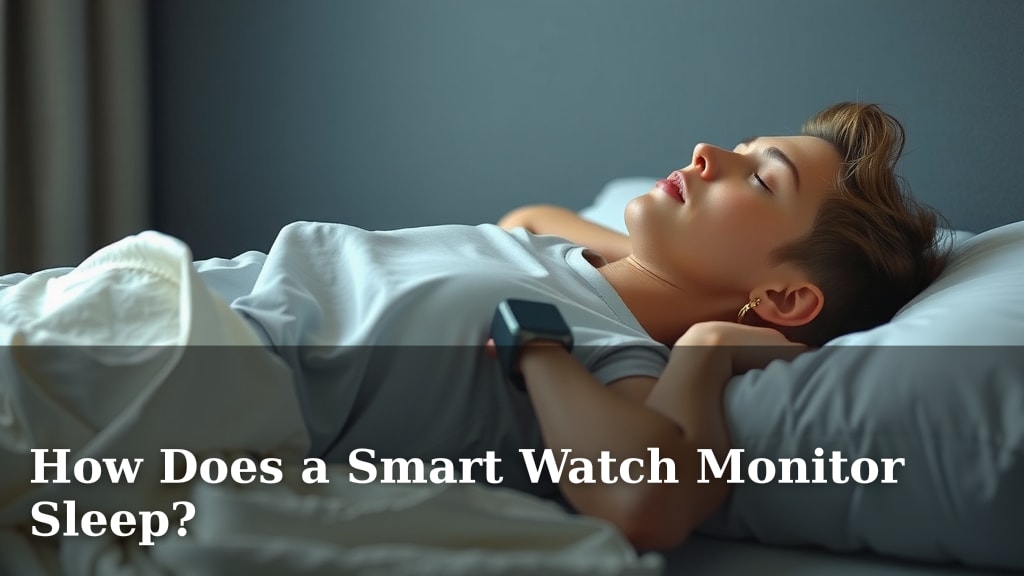
Yes, your smartwatch can track your sleep by using sensors to monitor your movement and heart rate. It then uses this data to estimate how much time you spend in different sleep stages, like light, deep, and REM sleep. Think of it as your personal sleep detective, working all night long!
We found that these devices can offer a fascinating peek into your nightly rest. While not a perfect medical diagnosis, they provide helpful trends about your sleep patterns. Understanding these can guide you toward making better sleep choices.
- Smartwatches track sleep using motion and heart rate sensors.
- They estimate time spent in light, deep, and REM sleep.
- This data offers insights into your sleep quality.
- It’s a tool for understanding general sleep habits.
- Not a replacement for professional medical advice.
Let’s walk through exactly how your wrist-based wonder is gathering all that sleep data.
How Your Smartwatch Becomes a Sleep Detective
You might be wondering how that little gadget on your wrist can possibly know if you’re in a deep sleep or just tossing and turning. We found that smartwatches use a combination of sensors to gather data about your body throughout the night. Think of them as miniature sleep scientists working tirelessly while you dream.
The Core Technologies Behind Sleep Tracking
Your smartwatch isn’t magic; it’s science! The data it collects comes from a few key sensors that are built right in. These sensors work together to give you a picture of your sleep quality.
Accelerometer: Sensing Your Every Move
This is probably the most straightforward sensor. An accelerometer detects motion. When you’re sleeping, you move. Even if you think you’re sleeping soundly, there’s always some subtle shifting. Your smartwatch tracks these movements. More movement generally means you’re in a lighter sleep stage. Less movement suggests you’re in a deeper sleep. It’s like counting sheep, but instead, you’re counting your wiggles!
Heart Rate Monitor: Listening to Your Body’s Rhythm
Most modern smartwatches include an optical heart rate sensor. This sensor uses tiny lights to shine into your skin. It then measures how much light is absorbed or reflected. This tells the watch how fast your blood is flowing. Your heart rate naturally changes during different sleep stages. During deep sleep, your heart rate tends to slow down. During REM sleep, it can become more variable and sometimes even faster. This sensor adds another layer of **precision** to the sleep tracking.
How Heart Rate Variability Plays a Role
Beyond just the basic heart rate, some advanced smartwatches also look at heart rate variability (HRV). HRV is the variation in time between heartbeats. It’s a fascinating metric. Higher HRV during sleep often indicates that your body is in a more relaxed, restorative state. Lower HRV might suggest stress or that your body is working harder. Many experts say HRV can be a **good indicator** of your overall recovery.
Other Sensors: Adding More Detail
Some higher-end smartwatches might include other sensors. These can include things like blood oxygen sensors (SpO2) and even skin temperature sensors. Blood oxygen levels can fluctuate during sleep. Significant drops might indicate breathing disturbances. Skin temperature can also vary. These additional sensors help paint a **more complete picture** of your sleep environment and your body’s responses.
Translating Sensor Data into Sleep Stages
So, your watch has all this raw data from motion and heart rate. How does it turn that into “you were in deep sleep for 1 hour and 45 minutes”? This is where algorithms come in.
Algorithms: The Brains of the Operation
Your smartwatch uses complex algorithms – essentially sets of rules and calculations. These algorithms are programmed to recognize patterns. They look for combinations of movement and heart rate data. These combinations are linked to known physiological signs of different sleep stages. For example, very little movement plus a slow, steady heart rate is likely deep sleep. Lots of movement and a more varied heart rate might be light sleep or even being awake.
Understanding the Sleep Stages
Smartwatches generally aim to track these common sleep stages:
- Awake: This is when you’re definitely not sleeping. Your watch likely detects significant movement and a heart rate consistent with being awake.
- Light Sleep: This is the earliest stage of sleep. Your heart rate and breathing begin to slow down. Your body starts to relax. You’ll still have some movement.
- Deep Sleep: This is the most restorative stage. It’s crucial for physical recovery and feeling refreshed. During deep sleep, your body’s repair processes are most active. Your heart rate and breathing are at their slowest. Movement is minimal.
- REM Sleep: This stage is associated with dreaming. Your brain activity increases, almost like when you’re awake. Your eyes move rapidly behind your eyelids. Your muscles become temporarily paralyzed to prevent you from acting out your dreams. Heart rate and breathing can become more irregular.
How the Watch Differentiates Stages
The algorithms analyze patterns. They look for periods with minimal movement and a stable, lower heart rate for deep sleep. They identify periods with more movement and a variable heart rate for REM sleep. Light sleep often falls in between these two extremes. It’s a **sophisticated guessing game**, but one that has gotten remarkably accurate over time.
The Accuracy and Limitations of Smartwatch Sleep Tracking
It’s important to have realistic expectations. While smartwatches are impressive, they aren’t medical-grade sleep monitors.
When Smartwatches Shine
For general trends and lifestyle tracking, smartwatches are fantastic. They can help you see patterns over weeks and months. You can spot if you’re getting enough deep sleep or if you tend to wake up often. This can guide you in making changes, like improving your bedtime routine or managing stress. Many users find this feedback **incredibly motivating**.
Where Smartwatches Fall Short
These devices aren’t diagnosing sleep disorders. They can’t detect conditions like sleep apnea or severe insomnia with medical certainty. Professional sleep studies, called polysomnography, involve a much more detailed collection of data. They use a wider array of sensors and are conducted in a controlled environment. Smartwatch data is an **estimation**, not a definitive diagnosis. Think of it as a helpful guide, not a doctor.
Factors Affecting Accuracy
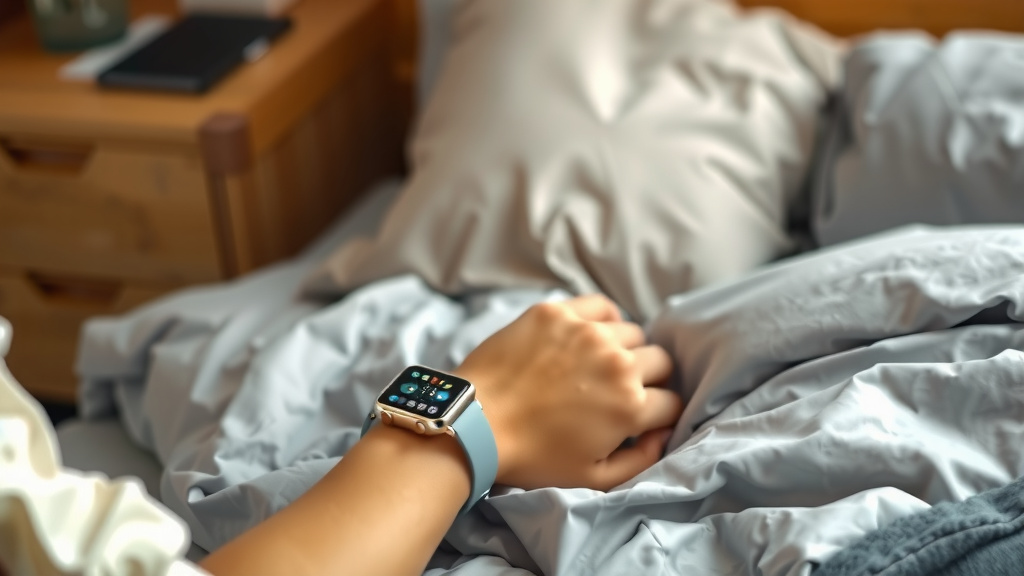
A loose watch band can lead to inaccurate heart rate readings. If the watch is too tight, it can also be uncomfortable and affect sleep. Forgetting to wear it is, of course, the biggest accuracy problem! For the best results, ensure your watch fits snugly but comfortably. We found that keeping the **firmware updated** also helps ensure you’re using the latest algorithms.
Here’s a quick checklist for better sleep tracking:
- Wear your watch snugly but comfortably.
- Ensure the heart rate sensor is clean.
- Keep your watch charged and track every night.
- Update your smartwatch’s software regularly.
- Use the data to identify trends, not for medical diagnosis.
- Consider your overall lifestyle alongside the sleep data.
Conclusion
Your smartwatch is a clever companion for understanding your sleep. It cleverly uses movement and heart rate data. Algorithms then translate this into your sleep stages. You can see trends over time. This helps you make smarter choices for better rest. Remember, it’s a guide, not a doctor. Use this information to inspire healthier habits. Start by consistently wearing your watch each night to gather your personal sleep story.
Frequently Asked Questions
Do I need to wear my smartwatch all night for it to track sleep?
Yes, for your smartwatch to accurately monitor your sleep, you must wear it on your wrist throughout the entire night. It relies on continuous sensor data, like movement and heart rate, to work correctly.
Can my smartwatch detect if I have a sleep disorder?
Smartwatches are excellent for general sleep tracking and identifying trends. However, they cannot diagnose medical conditions like sleep apnea or insomnia. For a medical diagnosis, you’ll need to consult a healthcare professional and possibly undergo a sleep study.
How does a smartwatch know the difference between deep sleep and REM sleep?
It uses algorithms that analyze patterns in your movement and heart rate. Deep sleep typically shows minimal movement and a slow, steady heart rate. REM sleep often has more varied heart rate and muscle inactivity, along with eye movements, which the watch infers from other data.
Will wearing my watch too tight affect sleep tracking accuracy?
Yes, wearing your watch too tight can be uncomfortable and potentially affect your sleep quality, which the watch might then misinterpret. For best results, ensure your watch band is snug but comfortable, allowing the heart rate sensor to get accurate readings without discomfort.
What is heart rate variability (HRV) and how does it help sleep tracking?
Heart rate variability measures the slight variations in time between your heartbeats. Higher HRV during sleep often suggests your body is in a relaxed, restorative state, which is good for recovery. Lower HRV might indicate stress or that your body is working harder.
![7 Best Smart Watch For Small Wrist Men [2026]](https://smartwatchbest.com/wp-content/uploads/2026/09/7-best-smart-watch-for-small-wrist-men-2026-featured-768x432.jpg)
![7 Best Heavy Duty Smart Watch [2026]](https://smartwatchbest.com/wp-content/uploads/2026/08/7-best-heavy-duty-smart-watch-2026-featured-768x432.jpg)
![7 Best Smart Watch For Samsung Galaxy [2026]](https://smartwatchbest.com/wp-content/uploads/2026/09/7-best-smart-watch-for-samsung-galaxy-2026-featured-768x432.jpg)