How Does a Smart Watch Measure Oxygen Levels?
Your smartwatch measures oxygen levels using light and sensors. It shines light into your wrist and measures how much light is absorbed. This helps determine your blood oxygen saturation (SpO2). It’s a neat bit of tech right on your wrist!
This process relies on something called photoplethysmography. Different colors of light interact with your blood differently. Red light is absorbed more by deoxygenated blood. Green light is absorbed more by oxygenated blood. Your watch cleverly uses this difference.
- Smartwatches use light and sensors.
- They measure how much light your blood absorbs.
- This tells them your blood oxygen saturation (SpO2).
- It’s a clever way to track an important health metric.
Let’s walk through exactly how your smartwatch does this step by step.
“`htmlUnderstanding Your Watch’s Blood Oxygen Sensor
Your smartwatch has a neat trick up its sleeve: it can measure your blood oxygen levels. This vital sign, known as SpO2, tells you how well oxygen is being transported throughout your body. It’s like having a tiny health checker right on your wrist, ready to give you a quick glimpse into your well-being.
But how does it actually work? You might be surprised to learn it’s a pretty straightforward process, relying on light and simple physics. We’re going to break down the science behind it so you can understand this feature a bit better.
The Science of Light and Blood
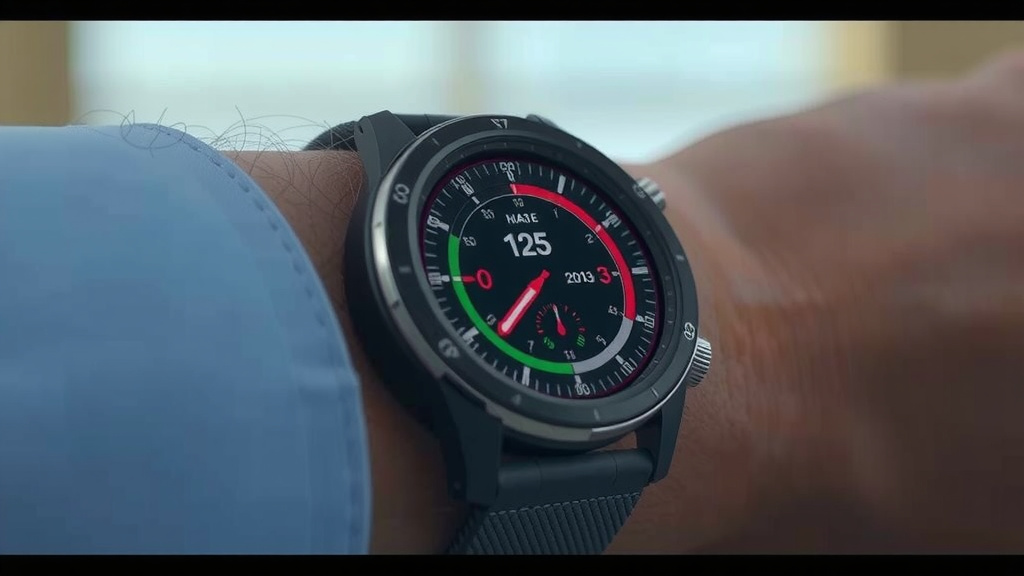
At the heart of your smartwatch’s SpO2 sensor are tiny LED lights and a photodiode. Think of the LEDs as little light bulbs that shine specific colors onto your skin. The photodiode is a light sensor that then measures how much of that light bounces back or passes through your skin. It sounds simple, but it’s quite clever.
How Different Colors of Light Behave
The key to measuring oxygen lies in how different types of light interact with your blood. Your blood contains hemoglobin, the protein that carries oxygen. Hemoglobin behaves differently depending on whether it’s carrying oxygen or not. This difference is what the smartwatch exploits.
Red Light’s Role
Researchers have found that red light is absorbed more by blood that doesn’t have much oxygen. This is because deoxygenated hemoglobin has a darker, more reddish-purple hue. When this less oxygen-rich blood flows under the sensor, more red light gets absorbed.
Green Light’s Role
On the other hand, green light is absorbed more by blood that is rich in oxygen. Oxygenated hemoglobin appears brighter red. This means more green light can pass through or reflect back to the sensor when your blood is well-oxygenated. It’s quite a fascinating interaction.
The Role of Your Pulse
Your smartwatch doesn’t just shine light once. It does this many times per second, in sync with your heartbeat. This is where the “plethysmography” part of photoplethysmography comes in. Your pulse causes small, rhythmic changes in blood volume in your wrist. When your heart beats, a little more blood flows into your arteries, making them slightly fuller.
This pulse-induced change in blood volume amplifies the signal. The smartwatch can then compare the light absorption at the peak of your pulse to the absorption between pulses. This helps it filter out other tissues, like skin and bone, and focus specifically on the blood. Many health guidelines suggest regular pulse checks as a foundational health monitoring practice (CDC).
Putting It All Together: The Calculation
So, your watch shines red and green light, measures how much gets absorbed by your blood at different points in your pulse, and now it needs to figure out your SpO2 percentage. This is where the math comes in, but don’t worry, your watch does all the heavy lifting.
Analyzing Light Absorption Ratios
The smartwatch’s software takes the data from the photodiode. It compares how much red light was absorbed versus how much green light was absorbed. It also considers the changes in light absorption that occur with each pulse. This ratio of absorption gives the watch a clear picture.
Researchers have established specific relationships between these light absorption ratios and the actual percentage of oxygen in your blood. By comparing the measured ratios to these known relationships, your watch can estimate your SpO2 level. Think of it like a color-coded map for oxygen in your blood.
How Your Watch Translates to a Percentage
The final step is converting these measurements into a percentage, which is what you see on your watch face. A typical reading for a healthy person is between 95% and 100%. Lower numbers might indicate that your body isn’t getting as much oxygen as it needs. For context, many medical professionals consider readings below 90% to be a concern (American Lung Association).
It’s important to remember that these are estimates. For definitive medical diagnoses, your doctor will use more sophisticated equipment. However, for general tracking and awareness, your smartwatch offers a convenient tool.
Factors Affecting Accuracy
While smartwatches have become quite good at measuring blood oxygen, there are a few things that can affect their accuracy. Understanding these can help you get the most reliable readings possible.
Movement Can Be Tricky
As we touched on, your watch relies on the pulse to get a clear reading. If you move too much while it’s trying to measure, it can confuse the sensor. This is why most smartwatches ask you to stay still for the reading. Even slight movements can sometimes lead to inaccurate results.
Skin Tone and Tattoos
Research has shown that skin tone can influence how accurately optical sensors work. Deeper skin tones may absorb more light, potentially affecting the readings. Additionally, tattoos on the wrist, especially those with dark ink, can interfere with the light reaching the sensor or passing through. If you notice consistent issues, try wearing the watch on your other wrist.
Watch Placement and Fit
The way you wear your watch matters. It needs to be snug against your skin, but not so tight that it cuts off circulation. A loose watch allows too much light to enter from the sides, while a too-tight watch can affect blood flow. Aim for a comfortable fit where the sensor makes good contact with your skin.
Here’s a quick checklist to help you get the best readings:
- Wear your watch snugly but comfortably.
- Stay still during the measurement.
- Ensure the sensor is clean.
- Try a different wrist if you have tattoos.
- Take readings in a quiet, calm state.
By understanding how your smartwatch measures oxygen levels and what can affect its accuracy, you can use this feature more effectively to keep an eye on your health.
“`Conclusion
You’ve learned that your smartwatch measures oxygen levels using light and sensors through a process called photoplethysmography. By shining different colored lights onto your wrist and analyzing how they’re absorbed and reflected, especially in sync with your pulse, your watch can estimate your blood oxygen saturation (SpO2). While these readings offer a convenient way to monitor your health, remember they are estimates.
For the most accurate data, ensure your watch fits well, stay still during measurements, and be aware that factors like movement and skin tone can influence results. Continue to use your smartwatch as a helpful tool for general awareness, and always consult your doctor for medical advice.
Frequently Asked Questions
Is my smartwatch’s blood oxygen reading as accurate as a medical device?
Generally, your smartwatch provides an estimate and is not a medical-grade device. For definitive diagnoses or critical health concerns, always rely on equipment used by healthcare professionals. Your watch is best used for tracking trends and general awareness.
Can I take a blood oxygen reading while exercising?
It’s usually best to avoid taking readings during intense exercise. Movement can significantly interfere with the sensors, leading to inaccurate results. Most smartwatches recommend staying still for a stable and reliable measurement.
What is a normal blood oxygen level for a healthy adult?
For most healthy adults, a typical blood oxygen saturation (SpO2) reading on a smartwatch falls between 95% and 100%. Readings below 90% might warrant attention and could be a reason to consult a healthcare provider.
Why does my smartwatch sometimes struggle to get a reading?
Several factors can cause a failed reading. These include moving too much during the measurement, wearing the watch too loosely or too tightly, excessive coldness in your extremities, or dark ink from tattoos on your wrist that can block the light sensors.
How often should I check my blood oxygen levels with my smartwatch?
You can check your blood oxygen levels as often as you feel is necessary for your peace of mind or as recommended by your doctor. Many people check it once a day or whenever they feel they might need a quick health check-in.
![7 Best Sleep Tracking Smart Watch [2026]](https://smartwatchbest.com/wp-content/uploads/2026/08/7-best-sleep-tracking-smart-watch-2026-featured-768x432.jpg)
![7 Best Smart Tactical Watches [2026]](https://smartwatchbest.com/wp-content/uploads/2026/08/7-best-smart-tactical-watches-2026-featured-768x432.jpg)
![7 Best Android Smart Watch Under $100 [2026]](https://smartwatchbest.com/wp-content/uploads/2026/06/7-best-android-smart-watch-under-100-2026-featured-768x432.jpg)