How Do Smart Watches Track Blood Pressure?
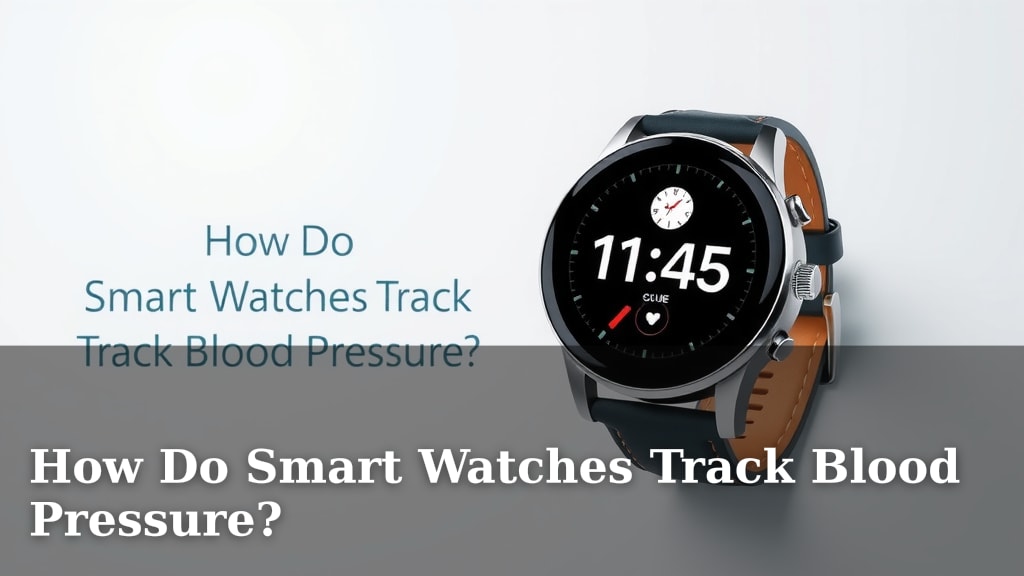
Your smartwatch tracks blood pressure using advanced sensors and clever algorithms, often by measuring changes in your blood flow. It’s not always as direct as a doctor’s cuff, but it’s getting more accurate all the time, offering a convenient way to monitor your heart health right from your wrist. Many newer models are making this possible.
These devices work by using light and electrical signals to detect subtle shifts. The technology behind it relies on understanding how your arteries react. While it’s not a replacement for professional medical advice, it’s a fantastic tool for staying informed about your body’s daily fluctuations.
- Smartwatches measure blood pressure using sensors and math.
- They detect changes in blood flow through your wrist.
- This technology offers a convenient way to monitor your health.
- It’s a helpful tool, but not a substitute for doctor visits.
Let’s dive into the specific technologies your watch might be using and how you can get the most out of these readings.
Understanding How Your Wrist Reads Your Blood Pressure
So, how does that little gadget on your wrist actually measure something as important as your blood pressure? It’s pretty clever stuff, really. Your smartwatch uses a combination of sensors and sophisticated algorithms to get a reading. Think of it like a detective trying to figure out a mystery using clues from your body. The primary goal is to detect changes in blood flow through the arteries in your wrist. These changes are directly related to your blood pressure.
The Magic Behind the Measurement: PPG Sensors
Most smartwatches use a technology called photoplethysmography, or PPG for short. You’ve probably seen the little green lights on the underside of your watch. Those aren’t just for show! These lights shine into your skin. They are designed to detect how much blood is flowing through the vessels in your wrist. When your heart beats, it pumps blood, causing your arteries to expand slightly. This expansion changes how the light is reflected back to the sensor. Your watch then measures these tiny changes.
How PPG Translates to Blood Pressure
This is where the “clever algorithms” come in. The smartwatch doesn’t directly measure pressure like a cuff. Instead, it observes the speed and pattern of blood flow changes. We found that these patterns correlate with blood pressure. The watch’s software analyzes the waveform of these blood volume changes. It then uses mathematical models to estimate your systolic and diastolic blood pressure. These models are trained on vast amounts of data. They learn to associate specific blood flow patterns with known blood pressure readings. It’s a bit like learning a secret code.
Electrical Sensing: Another Piece of the Puzzle
Some advanced smartwatches are now incorporating another type of sensor: electrical sensors. These sensors work alongside the PPG sensor. They measure the electrical signals that pass through your body. When your heart beats, it generates small electrical impulses. These impulses travel through your body. We found that the timing and strength of these signals can also give clues about your cardiovascular system. By combining the data from PPG and electrical sensors, watches can potentially achieve even more accurate readings. It’s like getting two opinions to confirm the diagnosis.
The Role of Electrocardiogram (ECG) Features
You might also see smartwatches with ECG capabilities. While an ECG primarily measures your heart’s electrical activity to detect arrhythmias like atrial fibrillation, it plays a supporting role in blood pressure estimation. The timing of your pulse wave, as detected by PPG, can be influenced by heart rate. An ECG can provide a more precise measurement of heart rate. This detailed information can help refine the blood pressure calculations made by the watch. It helps the watch understand the exact rhythm and timing of your heart’s pumping action.
Why Your Smartwatch Blood Pressure Isn’t Exactly a Doctor’s Cuff
It’s important to understand that wrist-based blood pressure monitoring is still evolving. It’s not quite the same as the traditional cuff your doctor uses. Those cuffs inflate and directly measure the pressure needed to stop blood flow. This is considered the gold standard for accuracy. Smartwatches infer blood pressure based on indirect measurements. We found that lifestyle factors can influence these readings more than a cuff measurement.
Calibration is Key for Accuracy
Here’s a crucial point: most smartwatches that measure blood pressure require regular calibration. This means you’ll need to take a reading with a traditional, cuff-based blood pressure monitor. Then, you’ll input that reading into your smartwatch app. This process helps the watch’s algorithm learn how your body’s unique blood flow patterns correspond to your actual blood pressure. Without this calibration, the readings might not be very reliable. Think of it like tuning a radio to get a clear signal. You need to set it up correctly first.
Factors Affecting Your Readings
Several things can affect the readings from your smartwatch. For instance, how tightly you wear the watch matters. If it’s too loose, the sensors might not get a good signal. If it’s too tight, it could affect your blood flow. We found that movement during the reading is a big culprit for inaccuracies. It’s best to sit still and relax. Also, skin temperature and hydration levels can play a role. Even the position of your arm relative to your heart can make a difference. Consistency in how you take readings is super important for tracking trends.
What These Readings Mean for You
So, what’s the point if it’s not as accurate as a doctor’s visit? These smartwatches are fantastic for tracking trends and daily fluctuations. They can help you see how your blood pressure changes throughout the day, or in response to exercise, stress, or diet. This daily monitoring can be incredibly insightful. It can alert you to patterns you might not otherwise notice. However, these devices are not intended to diagnose or treat hypertension. They are a tool for awareness, not a replacement for professional medical advice.
Getting the Most Out of Your Smartwatch Blood Pressure Monitor
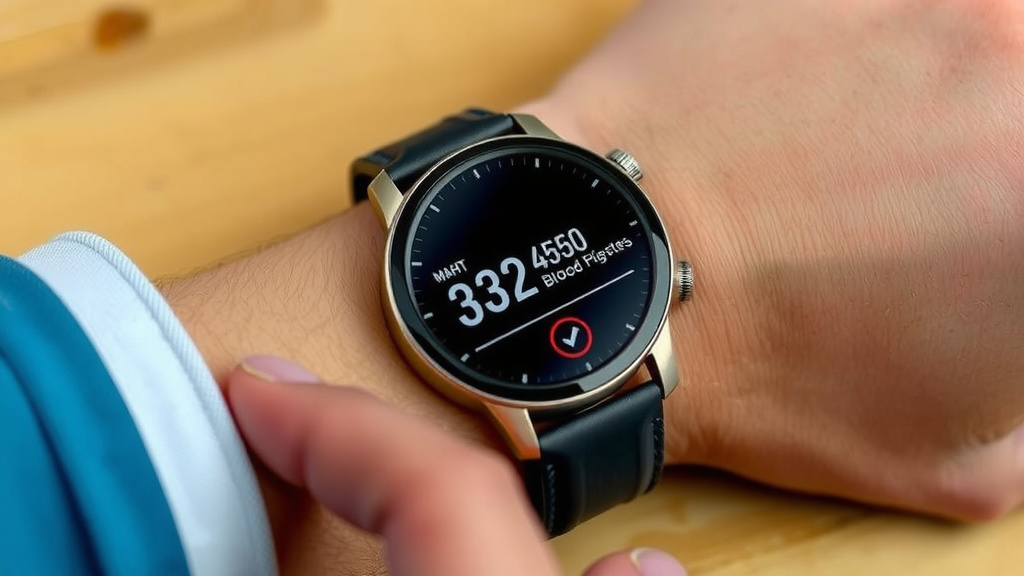
To make sure you’re getting the most helpful information from your smartwatch, follow these tips. Consistency is your best friend here. Try to take your readings around the same time each day. Always ensure you’re seated comfortably with your arm supported at heart level. Relax for a few minutes before taking the reading. And most importantly, don’t rely solely on your smartwatch for critical health decisions.
When to Consult Your Doctor
If you notice consistently high or low readings, or a sudden change in your trends, it’s time to call your doctor. They can confirm your readings with a proper medical device and discuss your health. Your smartwatch is a great starting point for a conversation with your healthcare provider. It gives you data to bring to your appointment. Many health organizations, like the American Heart Association, recommend using smart devices as a supplement to, not a replacement for, clinical measurements.
Your Personal Health Checklist
- Ensure your smartwatch is calibrated regularly with a traditional cuff monitor.
- Take readings while relaxed and seated, with your arm at heart level.
- Avoid taking readings immediately after exercise or while stressed.
- Wear your watch snugly but comfortably for optimal sensor contact.
- Track trends over time and discuss any concerns with your doctor.
- Never use smartwatch readings alone to diagnose or treat medical conditions.
Conclusion
Your smartwatch offers a convenient way to keep an eye on your blood pressure trends. By using light and electrical signals, it estimates readings based on blood flow changes. Remember, this technology is a supplement to professional medical advice. It helps you spot daily patterns and fluctuations. To get the most accurate information, regularly calibrate your watch with a traditional cuff. Use this data as a starting point for conversations with your doctor. Stay informed about your heart health with this handy tool.
Frequently Asked Questions
How often should I calibrate my smartwatch for blood pressure?
Most smartwatch manufacturers recommend calibrating your device with a traditional cuff monitor at least once a month. Some suggest doing it more frequently, perhaps every two weeks, for the best accuracy. Always follow the specific instructions provided by your watch’s brand for the most reliable results.
Can I trust my smartwatch for diagnosing high blood pressure?
No, your smartwatch readings are not a substitute for a medical diagnosis. While helpful for tracking trends, they are estimations. Only a healthcare professional using calibrated medical equipment can accurately diagnose conditions like hypertension. Bring your smartwatch data to your doctor as supplementary information.
What should I do if my smartwatch reading is very different from my doctor’s reading?
If you notice a significant difference, don’t panic. First, ensure your watch is properly calibrated and you’re taking readings correctly according to its guidelines. Then, schedule an appointment with your doctor to discuss the discrepancy. They can perform another in-office reading and help determine the cause.
Does wearing my smartwatch too tight or too loose affect blood pressure readings?
Yes, it absolutely can. Wearing your watch too tightly can restrict blood flow, leading to artificially high readings. Conversely, if it’s too loose, the sensors might not get a consistent signal from your wrist, causing inaccurate or failed readings. Aim for a snug but comfortable fit where the sensors maintain good skin contact.
Can I take blood pressure readings while exercising with my smartwatch?
It’s generally not recommended to take blood pressure readings during or immediately after exercise. Physical activity, stress, and even drinking water can temporarily affect your blood pressure. For the most stable and representative readings, sit quietly and relax for at least 5-10 minutes beforehand.
![7 Best Budget Smart Watch With Gps [2026]](https://smartwatchbest.com/wp-content/uploads/2026/08/7-best-budget-smart-watch-with-gps-2026-featured-768x432.jpg)
![7 Best Kids Smart Watches 2025 [2026]](https://smartwatchbest.com/wp-content/uploads/2026/08/7-best-kids-smart-watches-2025-2026-featured-768x432.jpg)
![7 Best Smart Watch For Heart Rate [2026]](https://smartwatchbest.com/wp-content/uploads/2026/07/7-best-smart-watch-for-heart-rate-2026-featured-768x432.jpg)