G-Shock Smart Watch vs Garmin: Which Tough Watch Reigns Supreme?
When you’re shopping for a rugged smartwatch that can handle whatever life throws at you, you’ve probably found yourself staring at two heavyweight contenders: G-Shock and Garmin. Both brands have built their reputation on creating watches that laugh in the face of punishment, but they’re not identical twins. Let me walk you through everything you need to know to make the right choice for your wrist.
Understanding the Appeal of Rugged Smartwatches
Here’s the thing about choosing a smartwatch nowadays: you’ve got options galore. But if you’re like most people who actually use their watches for more than just telling time, you want something that won’t crumble the moment you take it rock climbing or wear it during a construction job. That’s where G-Shock and Garmin come into play. These aren’t your grandmother’s dress watches—they’re built for adventure seekers, athletes, and anyone who wants a gadget that matches their active lifestyle.
What Makes G-Shock Smart Watches Stand Out?
The Legacy of Toughness
Casio’s G-Shock line has been around since 1983, and they’ve built an empire on the promise of unbreakable watches. When you slip on a G-Shock smartwatch, you’re getting decades of shock-resistant engineering packed into a compact device. These watches have been dropped from buildings, run over by cars, and subjected to all manner of abuse—and they keep ticking.
Design Philosophy
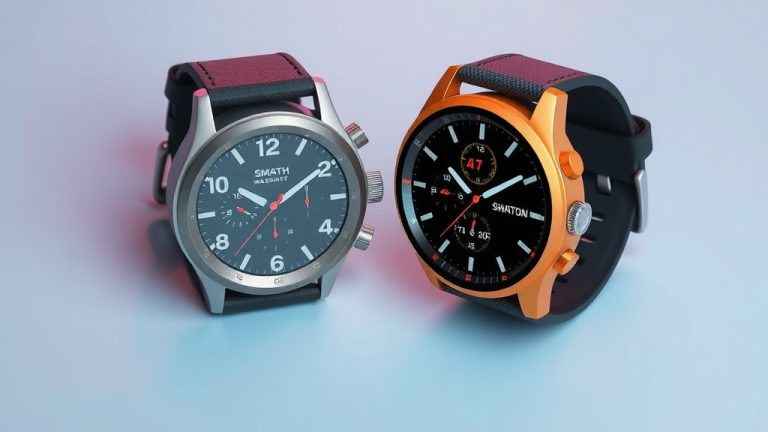
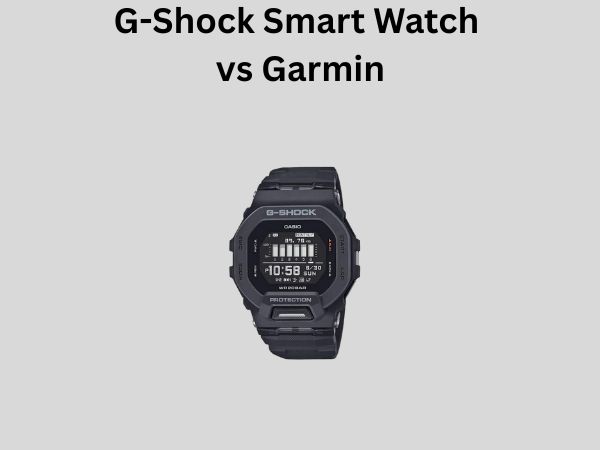
G-Shock watches embrace a utilitarian aesthetic. They’re chunky, they’re bold, and they make a statement that says, “I’m not worried about scratching this thing.” The digital displays are crisp, the buttons are tactile, and everything feels purposefully designed for function over fashion. If you appreciate that retro-digital vibe combined with modern smart features, you’ll love what G-Shock brings to the table.
Smart Features on G-Shock Models
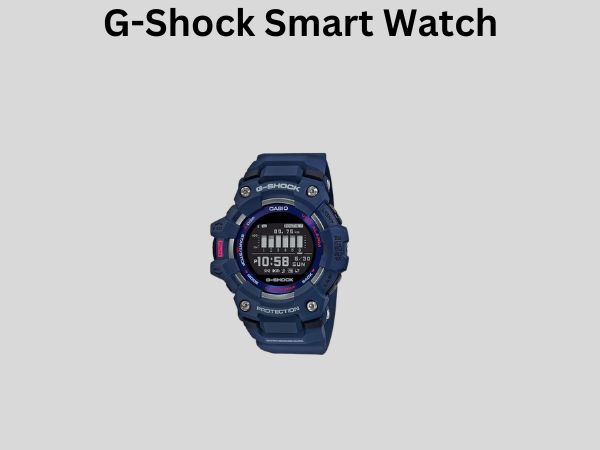
Modern G-Shock smartwatches come packed with features like Bluetooth connectivity, fitness tracking, and smartphone notifications. Models like the G-Shock GBD-H1000 combine traditional G-Shock durability with serious fitness tracking prowess, including heart rate monitoring, step counting, and even color display capabilities on some premium models.
Garmin Sports Watches: Built for Athletes
Garmin’s Athletic Heritage
Garmin didn’t start out making watches—they built their reputation in GPS technology and fitness tracking. When they entered the watch market, they brought their expertise in sports science and endurance training. Garmin watches are engineered for people who track their workouts obsessively and want data that goes beyond simple step counting.
Advanced Metrics and Training Focus
Unlike G-Shock, which leans toward everyday toughness and casual fitness tracking, Garmin watches dive deep into sports-specific metrics. We’re talking about VO2 max calculations, training load analysis, recovery time recommendations, and training stress scores. If you’re training for a marathon or trying to optimize your cycling performance, Garmin speaks your language.
Variety in the Garmin Lineup
Garmin offers watches across multiple product lines—from the rugged fēnix series to the swimmer-friendly Swim series to the outdoor-focused Instinct line. This variety means you can find a Garmin watch tailored to your specific activity, whether you’re a trail runner, a triathlete, or someone who splits time between swimming and rock climbing.
Durability and Build Quality: Which Holds Up Better?
G-Shock’s Shock Resistance
G-Shock watches feature a proprietary shock-resistant structure that suspends the module inside a protective case. This design absorbs impacts and vibrations, making these watches incredibly difficult to break. Drop a G-Shock from waist height, and you might hear it bounce. Do the same with most Garmin watches, and you’ll hold your breath.
The materials used in G-Shock construction include hardened resin, stainless steel bands, and reinforced bezels. Everything is designed with redundancy—multiple layers of protection so that even if one component fails, others are there to keep your watch functioning.
Garmin’s Rugged Build
Garmin watches aren’t delicate either. Models like the fēnix 7 and Instinct series feature reinforced cases, mineral or Gorilla Glass screens, and metal bezels. However, Garmin prioritizes elegance alongside toughness, which means some models feature sleeker designs that might not survive a direct impact as well as a G-Shock would.
That said, Garmin’s engineering is solid. These watches are built for serious outdoor use, and they handle rugged conditions admirably. The difference is philosophical: G-Shock assumes you’ll abuse your watch and designs accordingly, while Garmin assumes you’ll treat it reasonably well but might expose it to harsh conditions.
The Real-World Durability Test
In practical terms, both watches will survive your daily life without issue. However, if you work in genuinely hazardous conditions or engage in extremely rough activities, G-Shock offers more peace of mind. Garmin watches are more likely to need careful handling in extreme situations, though they’re far tougher than standard smartwatches.
Display Technology and Visual Performance
G-Shock Display Options
Historically, G-Shock watches featured monochrome LCD or digital displays. These displays consume minimal power and remain visible in direct sunlight—a feature many modern smartwatches struggle with. Recent G-Shock models have introduced color LCD displays, offering better visual appeal while maintaining the low power consumption that makes these watches practical.
The downside? Older G-Shock models have limited screen real estate and resolution compared to modern smartwatches. You get functionality over flashiness, which appeals to some people and frustrates others.
Garmin’s Display Superiority
Garmin has invested heavily in display technology. Their watches typically feature larger screens with better resolution and more vibrant colors. The AMOLED displays on premium Garmin models look genuinely impressive, with bright colors and deep blacks that make watching your fitness data a pleasure rather than a chore.
However, this technology comes at a cost—both in terms of power consumption and overall durability. AMOLED screens are more delicate than traditional LCD displays, which ties back to the durability conversation we had earlier.
Battery Life: The Practical Reality
G-Shock Battery Performance
Here’s where G-Shock flexes its muscles. Many G-Shock smartwatches deliver battery life measured in weeks or even months. Basic digital G-Shock watches with solar charging can run indefinitely with adequate light exposure. Even GPS-equipped G-Shock models typically last 5-10 days between charges, which is remarkable.
This exceptional battery life stems from their efficient LCD displays and optimized processors. You’re not paying the power consumption penalty that comes with flashier screens and more complex processors.
Garmin Battery Reality
Garmin watches typically offer 5-14 days of battery life in smartwatch mode, though this varies significantly by model. Premium fēnix models might achieve up to two weeks, while sport-focused models with extensive GPS tracking might deliver only 3-4 days when using GPS continuously.
Garmin’s battery life, while respectable compared to mainstream smartwatches, can’t match G-Shock. If you’re traveling and hate worrying about charging, G-Shock’s battery longevity is a significant advantage.
Charging Convenience
G-Shock watches typically use proprietary charging connections, while Garmin has moved toward USB charging on many models. Garmin’s standardized charging approach is more convenient for travelers, though it doesn’t eliminate the need for charging cables.
Health and Fitness Tracking Capabilities
G-Shock’s Fitness Features
Modern G-Shock smartwatches include heart rate monitors, step tracking, calorie estimation, and workout logging. The G-Shock GBD series specifically targets fitness enthusiasts, offering features like running modes, swimming detection, and sleep tracking. However, the metrics tend to be more basic compared to specialized sports watches.
If you’re simply looking to monitor your daily activity and get basic workout data, G-Shock delivers this adequately without overwhelming you with information.
Garmin’s Advanced Health Metrics
This is where Garmin separates itself from the pack. Garmin watches provide detailed health insights including blood oxygen levels, menstrual cycle tracking, stress monitoring, and sleep quality analysis. Their Body Battery feature tells you how much energy you have available for activity, while their Training Effect metric quantifies how much your workouts improve your fitness.
For athletes and health-conscious individuals who want deep insights into their physiology, Garmin’s approach is significantly more comprehensive. You’re getting data scientist-level metrics rather than simple activity tallies.
Specialized Sport Modes
Garmin watches offer dozens of sport-specific modes tailored to different activities. Whether you’re triathloning, skiing, golfing, or climbing, there’s likely a dedicated mode that tracks relevant metrics. G-Shock watches have fewer sport modes, making them less specialized for multi-sport athletes.
Water Resistance and Environmental Protection
G-Shock’s Water Rating
Most G-Shock smartwatches offer 200m water resistance, which means they’re suitable for swimming and snorkeling. Some entry-level models have 50-100m resistance, while specialized diving models can handle greater depths. This water resistance combined with their shock protection makes G-Shock excellent for water sports.
Garmin’s Water Resistance
Garmin watches typically offer 50m to 100m water resistance on most models, with some sport-specific models rated higher. This is adequate for swimming and snorkeling but less robust than G-Shock’s standard 200m rating. For serious diving or water sports, you’ll want to check individual Garmin models carefully.
Other Environmental Factors
Both brands are tested for extreme temperatures, solar radiation, and high altitudes. G-Shock emphasizes extreme temperature tolerance—these watches function in conditions from -20°C to 60°C or beyond. Garmin watches are also temperature-resistant but market themselves less aggressively on this feature.
Price Point Analysis: Value for Money
G-Shock Price Range
G-Shock smartwatches range from around $150 to $400, depending on features and materials. Basic models are incredibly affordable, while premium models with color displays and advanced features approach the $400 mark. Generally speaking, you’re getting exceptional value for money—a tough watch with smartwatch features at a reasonable price.
Garmin Pricing Structure
Garmin watches span a wider price range. Entry-level models start around $200, while premium fēnix watches can exceed $700. The higher price reflects Garmin’s investment in sensors, display technology, and sports-specific features. You’re paying more, but you’re also getting significantly more computational power and data analysis.
Value Proposition
If budget is your primary concern, G-Shock offers better value. You get a tough watch with solid smartwatch features at a lower price point. If you’re willing to invest more for advanced fitness tracking and premium build materials, Garmin justifies its higher cost through enhanced capabilities.
Design and Aesthetics: Fashion Meets Function
G-Shock’s Bold Aesthetic
G-Shock watches make a visual statement. They’re chunky, colorful, and unapologetically digital. If you love retro aesthetics or want a watch that shows you’re serious about durability, G-Shock’s design language works perfectly. However, if you prefer understated elegance, you might find G-Shock too bold for formal settings.
Garmin’s Diverse Design Philosophy
Garmin offers more design variety. Their fēnix series leans toward premium aesthetics with metal bezels and refined finishes. The Instinct line embraces ruggedness with a more angular design. The Venu series focuses on smartwatch elegance. This variety means you can find a Garmin that matches your personal style more easily than with G-Shock’s more uniform aesthetic.
Band and Customization Options
Both brands offer multiple band options, though Garmin typically provides more variety. You can easily swap bands on both watches to change their appearance, making them more versatile for different occasions.
Connectivity and Smart Features
G-Shock Smart Connectivity
G-Shock smartwatches connect via Bluetooth to your smartphone, allowing notification sync, call alerts, and music control on premium models. The integration is functional but not comprehensive—you’re not getting the deep ecosystem integration that some users expect.
Garmin’s Ecosystem Integration
Garmin watches integrate with Garmin’s Connect platform, offering cloud synchronization, detailed training analysis, and community features. You can also sync data to third-party platforms like Strava, MyFitnessPal, and others. The ecosystem feels more developed and mature, though it also requires more time to learn.
Payment and Wallet Features
Some Garmin models offer NFC for contactless payments, though this feature is less common on G-Shock smartwatches. If mobile payments from your wrist are important, you’ll want to verify this capability on your specific model choice.
GPS and Navigation Features
G-Shock GPS Integration
Some G-Shock smartwatches include GPS, though it’s not universal across their product line. When present, GPS tracking works adequately for basic route recording and distance measurement. However, navigation features are minimal—you’re mainly tracking where you’ve been rather than getting turn-by-turn directions.
Garmin’s Navigation Prowess
This is Garmin’s forte. Garmin watches offer comprehensive GPS tracking with topographic map display, breadcrumb trails, and actual turn-by-turn navigation. Whether you’re hiking unfamiliar trails or navigating urban environments, Garmin’s navigation capabilities are significantly more advanced. This is the natural advantage of a company that made its name in GPS technology.
Multi-GNSS Support
Many Garmin watches use multiple satellite systems (GPS,