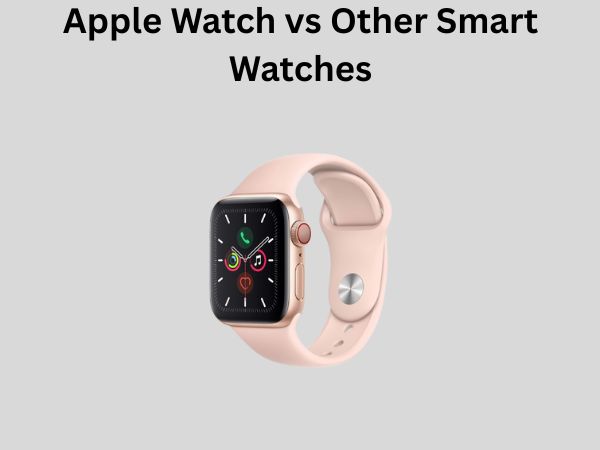
Apple Watch vs Other Smart Watches: Is Apple Really Better?
When you’re standing in front of a display of smartwatches, you’re faced with a decision that goes beyond just picking a device. You’re choosing between ecosystems, price points, design philosophies, and features that might seem similar on the surface but vary dramatically in execution. The Apple Watch has dominated conversations about wearable technology for years, but does it deserve the throne it occupies? Let’s dig into this question together.
Understanding the Smartwatch Landscape
The smartwatch market has evolved tremendously since the first generation of wearables hit shelves. Today, you’ve got options from Samsung, Garmin, Fitbit, Fossil, and countless others competing for your wrist space. Each brand brings something different to the table, whether it’s fitness tracking prowess, battery longevity, or cutting-edge health monitoring features.
Think of the smartwatch ecosystem like a smartphone market. Just as Android and iOS serve different audiences, smartwatches cater to various needs and preferences. Some people prioritize seamless integration with their existing devices, while others care more about battery life or specialized fitness features.
The Apple Watch Ecosystem: Seamless Integration
One of Apple’s greatest strengths is the interconnected nature of its ecosystem. When you own an iPhone, iPad, and Mac, adding an Apple Watch feels like completing a puzzle. Everything works together in ways that feel almost magical.
Why Integration Matters
You can answer calls directly from your wrist, unlock your Mac with a glance at your watch, and receive notifications synchronized perfectly across all your devices. The handoff feature, which lets you start something on one device and finish it on another, works beautifully with the Apple Watch. If you’re deeply invested in the Apple ecosystem, switching to another smartwatch often feels like leaving paradise.
The Apple Watch Design Philosophy
Apple watches are typically sleek, minimal, and refined. The company focuses on understated elegance rather than flashy features. The digital crown, that small rotating wheel on the side, serves as an interface element that takes getting used to but becomes intuitive once you’ve worn the watch for a few days. The watch bands come in numerous styles and materials, allowing you to customize your device for different occasions.
Samsung Galaxy Watch: The Android Alternative
Samsung’s Galaxy Watch lineup represents the most serious competition Apple faces in the smartwatch arena. If you own an Android phone, the Galaxy Watch becomes an equally compelling option as the Apple Watch is for iPhone users.
Rotating Bezel Advantage
Samsung watches feature a rotating bezel that many users find more intuitive than Apple’s digital crown. This physical rotating ring lets you navigate menus and select options without blocking your view of the screen with your finger. It’s a small design detail that makes a surprisingly significant difference in daily usability.
Better Customization Options
Samsung offers more watch face options and deeper customization possibilities than Apple. You can install watch faces from third-party developers, adjust complications with greater flexibility, and personalize your watch experience to a degree that Apple simply doesn’t allow. For people who like their tech to feel uniquely theirs, this matters significantly.
Garmin Watches: The Fitness Champion
If your primary concern is fitness tracking and outdoor adventures, Garmin deserves serious consideration. These watches aren’t trying to be mini-smartphones—they’re purpose-built for athletes and outdoor enthusiasts.
Battery Life That Actually Lasts
Here’s where Garmin absolutely dominates. While an Apple Watch needs charging every 18 hours or so, many Garmin watches offer battery life measured in days or even weeks. If you’re on a hiking trip or prefer not obsessing over charging schedules, Garmin’s battery endurance becomes a compelling advantage.
Advanced Sports Tracking
Garmin watches include training plans, recovery metrics, VO2 max measurements, and specialized sport modes that number in the dozens. If you’re a serious athlete tracking multiple sports, Garmin’s depth of athletic features often exceeds what Apple offers.
Fitbit: Health and Wellness Focus
Fitbit, now owned by Google, has carved out a niche focusing on health and wellness metrics rather than trying to be a tiny computer on your wrist.
Sleep Tracking and Health Insights
Fitbit’s sleep tracking capabilities are among the best in the industry. The company also provides personalized health insights and trends that can motivate behavioral changes. If you’re primarily interested in understanding your health patterns and taking a holistic approach to wellness, Fitbit’s approach feels refreshingly focused.
Affordable Entry Points
You can get a solid Fitbit smartwatch for significantly less than an Apple Watch. This makes Fitbit particularly attractive if you’re new to smartwatches and want to test whether the technology is right for you before committing major funds.
Price Comparison: What’s Actually Worth Your Money
Let’s talk about the elephant in the room: cost. The Apple Watch Series 9 starts around $399, with cellular models pushing that higher. Samsung’s Galaxy Watch 6 starts around $300. Garmin’s offerings range from $200 to $800 depending on the model. Fitbit smartwatches typically start under $200.
Value Proposition Analysis
- Apple Watch: Premium pricing justified by ecosystem integration if you own other Apple devices
- Samsung Galaxy Watch: Mid-range pricing with feature-rich experience for Android users
- Garmin: Varied pricing reflecting specialized use cases
- Fitbit: Most affordable option with focused health features
The Real Cost of Ownership
Consider not just the initial purchase price but also watch bands, potential repairs, and the technology you’re replacing. If you’ve been using a basic fitness tracker, any smartwatch represents an upgrade. But if you’re considering switching from one ecosystem to another, factor in any services or apps you’d lose in the transition.
Health and Fitness Features: How They Stack Up
Modern smartwatches all track steps, heart rate, and calories burned. But the differences in how they handle advanced health features are significant.
Apple Watch Health Capabilities
The Apple Watch includes ECG functionality, blood oxygen monitoring, temperature sensing, and fall detection. It integrates seamlessly with the Health app on your iPhone, creating a comprehensive picture of your wellness. However, the watch doesn’t track sleep as deeply as competitors.
Competitors’ Health Features
Samsung watches offer similar heart rate and oxygen monitoring but with some reliability differences. Garmin excels at training-specific metrics. Fitbit leads in sleep analysis and stress tracking. No single watch wins across all health metrics—it depends on which measurements matter most to you.
Battery Life: A Critical Differentiator
This is where things get really interesting. Battery life isn’t just a specification—it fundamentally affects how you use the device.
Apple Watch Reality
Apple’s watch lasts roughly 18 hours on a charge. This means charging it daily, similar to an iPhone. Some users don’t mind this routine. Others find it frustrating, especially when traveling or during busy periods when you might forget to charge.
The Competition
Samsung Galaxy Watch offers around 40 hours in standard mode. Garmin watches offer days or weeks depending on the model. Even Fitbit smartwatches typically exceed Apple’s battery life. If you hate charging devices, this alone might make you lean toward alternatives.
Operating Systems and App Ecosystems
The smartwatch OS you choose determines what apps you can run and how smoothly they perform.
watchOS: Apple’s Proprietary System
WatchOS is tightly integrated with iOS and only works with iPhones. The app selection for Apple Watch is more limited than you might expect, and many apps are simplified versions of their iPhone counterparts. However, what’s available is generally well-designed and functional.
Wear OS: Google’s Platform
Samsung uses a modified version of Google’s Wear OS. This platform has improved dramatically in recent years, offering more app variety and customization than watchOS. The app quality can be inconsistent, but the sheer number of options exceeds what Apple provides.
Proprietary Systems
Garmin and Fitbit use their own operating systems, which limits third-party app availability but ensures a focused, optimized experience for their intended use cases.
Design and Aesthetics: Making a Statement
Your smartwatch sits on your wrist, visible to everyone around you. Design matters because you’ll be looking at it constantly.
Apple’s Design Language
Apple Watch designs are universally minimalist and refined. The watch looks more like traditional luxury timepieces than tech gadgets. Band options range from sport to leather to titanium, letting you adapt the watch to your style. The squared-off case design has become iconic.
Samsung’s Approach
Samsung Galaxy Watches embrace a rounder, more traditional watch aesthetic. Many people find them more watch-like and less tech-gadget-like. The rotating bezel adds visual interest and functionality simultaneously.
Garmin and Others
Garmin watches prioritize function over fashion, featuring larger screens and bulkier builds. Fitbit smartwatches sit somewhere in the middle, attempting to balance style with functionality, though they often sacrifice elegance for features.
Compatibility: Which Phone Do You Use
Here’s the crucial reality: smartwatch choice often depends on what phone you carry more than any other factor.
iPhone Users
If you own an iPhone, the Apple Watch offers the best experience. Yes, you can use Samsung or Garmin watches with iPhones, but you’ll lose features, notifications, and integration capabilities. The Apple Watch feels native to the iOS ecosystem because it literally is.
Android Users
Samsung Galaxy Watch is the natural choice for Android device owners, especially Samsung phone owners. Google’s Wear OS ecosystem has improved significantly, offering genuine alternatives to Apple Watch functionality.
Cross-Platform Options
Garmin and Fitbit watches work reasonably well with both iPhone and Android, making them better choices if you might switch phones in the future or use multiple devices from different ecosystems.
Water Resistance and Durability
Smartwatches experience daily wear and tear. Understanding durability matters if you plan to keep the device for years.
Water Ratings Explained
Most modern smartwatches offer water resistance up to 50 meters, meaning they can handle splashes and brief submersion. Apple Watch and Samsung Galaxy Watch achieve this standard. Some Garmin models go deeper, offering 100-meter water resistance for swimming and snorkeling.
Build Quality
Apple watches use premium materials like stainless steel and sapphire crystal, contributing to longevity but also higher prices. Samsung watches offer good build quality at lower costs. Garmin and Fitbit watches prioritize functionality over premium materials but still offer solid durability.
So, Is Apple Watch Actually Better
The answer depends entirely on your situation. Let me break this down:
Choose Apple Watch If
- You own an iPhone and other Apple devices
- You value seamless ecosystem integration
- You prefer minimalist design and premium aesthetics
- You don’t mind daily charging
- You want reliable, consistent performance
Choose Samsung Galaxy Watch If
- You use an Android phone
- You want more customization options
- You prefer longer battery life than Apple offers
- You like the rotating bezel interface
- You want a more watch-like appearance
Choose Garmin If
- You’re a serious athlete or outdoor enthusiast
- You need multi-week battery life
- You want advanced fitness tracking metrics
- You value functionality over fashion
- You might switch between phone ecosystems
Choose Fitbit If
- You’re new to smartwatches
- You prioritize health and wellness tracking
- You want an affordable entry point
- You care more about sleep analysis than other features
- You’re budget-conscious
Conclusion
Is the Apple Watch better than other smartwatches? The honest answer is that “better” depends on what you need. The Apple Watch is genuinely excellent for iPhone owners who value ecosystem integration, design, and consistent performance. But it’s not the best watch for every person or every situation.
Samsung Galaxy Watch offers compelling features, particularly for Android users. Garmin excels for athletes. Fitbit focuses on wellness. Each competitor has legitimate strengths that make them the right choice for specific users.
Before purchasing any smartwatch, ask yourself: What phone do I use? What features matter most—fitness tracking, health monitoring, battery life, customization, or design? How much am I willing to spend? What ecosystem am I invested in?
The best smartwatch isn’t necessarily the Apple Watch. It’s the one that serves your actual needs, fits your budget, and integrates with the devices you already own. Take time to research options, visit stores to see watches in person, and read detailed reviews focused on your specific interests. The perfect smartwatch for you is out there—it might wear the Apple logo, but honestly, it might not.
Frequently Asked Questions
Can you use an Apple Watch with an Android phone?
Technically yes, but it’s not recommended. The Apple Watch has extremely limited functionality with Android devices. You’ll lose most of the watch’s features, including notifications, messaging, and many apps. Apple Watch is designed exclusively for iPhone users, and trying to pair it with Android will result in frustration.
How often do you need to charge a smartwatch?
It depends on the model. Apple Watch requires daily charging after about 18 hours of use. Samsung Galaxy Watch lasts around 40 hours. Garmin watches can last days or even weeks depending on the specific model and usage patterns. If you hate charging devices frequently, battery life should heavily influence your decision.
Are smartwatches worth buying in 2024?
Yes, but only if you have a specific need. If you’re looking for health and fitness tracking, daily notifications, and convenience, a smartwatch adds genuine value. However, if you just want to tell time or don’t use smartphone features regularly, a traditional watch or basic fitness tracker might serve you better and cost less.
Which smartwatch has the best health monitoring features?
Different watches excel in different areas. Fitbit leads in sleep tracking and stress monitoring. Garmin excels in athletic metrics and training analysis. Apple Watch offers comprehensive health monitoring including ECG and blood oxygen. The “best” choice depends on which health metrics matter most to your lifestyle.
![7 Best Professional Smart Watch [2026]](https://smartwatchbest.com/wp-content/uploads/2026/08/7-best-professional-smart-watch-2026-featured-768x432.jpg)