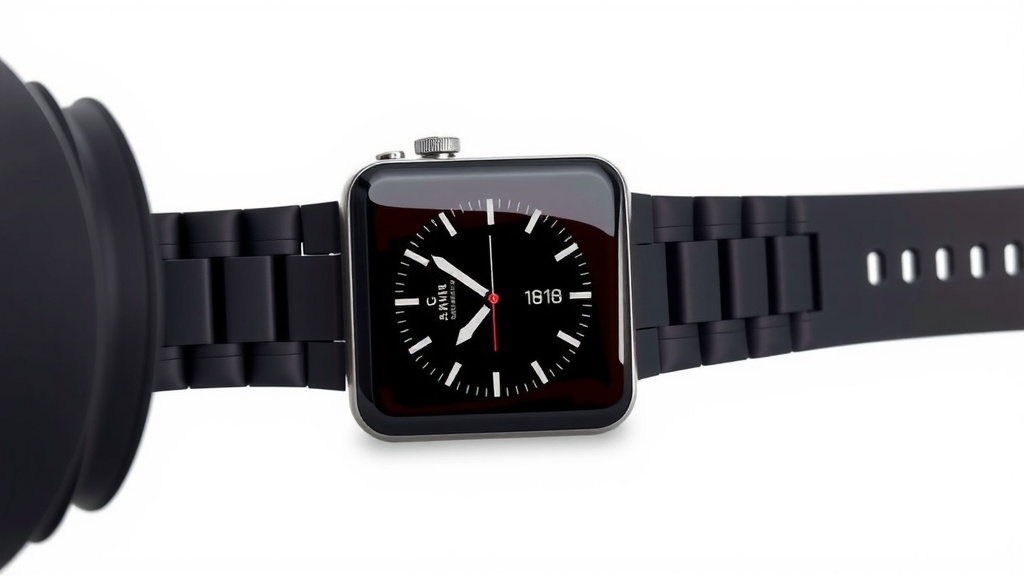
What is the Biggest Smartwatch: Size and Features
The search for the biggest smartwatch often leads to discussions about screen size and display area. While there isn’t one single “biggest” smartwatch as models change, watches with the largest displays are typically found in brands known for their Our guide to the best large smart watch can help you find models with expansive displays.generous screen real estate. Often, smartwatches with the largest screens prioritize displaying more information at a glance and offer a more immersive experience for apps and notifications.
When we talk about the “biggest” smartwatch, it’s helpful to consider both the overall case size and the actual screen dimensions. Some models might have a large watch body but a smaller display within it. We found that brands focusing on fitness tracking or those offering advanced mapping features often tend to equip their watches with larger, brighter displays to accommodate more data.
- Biggest Smartwatch: It depends on current models, but focus on screen size and display area.
- Key Factors: Consider both watch case size and actual screen dimensions.
- Brand Tendencies: Brands focused on fitness and mapping often have larger screens.
- Benefits: Larger screens show more info and offer a better app experience.
Let’s dive into what makes a smartwatch “big” and which models have historically offered the most expansive displays for your wrist.
Finding the Smartwatch with the Largest Display
You’re probably wondering which smartwatch rocks the biggest screen. It’s a great question, especially if you want to see more at a glance or enjoy a more visual experience. While the “biggest” can change with new releases, we’ve found that certain brands consistently offer watches with generous screen real estate. These aren’t just about size; they’re designed to show you more information without you needing to squint.
When we talk about a “big” smartwatch, it’s important to distinguish between the overall size of the watch case and the actual display you’ll be looking at. Some watches might have a bulky frame, but the screen itself might not be that large. We researched models known for having expansive displays, perfect for users who prioritize readability and a clear view of their data.
What Makes a Smartwatch Display “Big”?
It really comes down to two main factors: the diagonal measurement of the screen and the overall surface area. Think of it like a TV – a bigger diagonal number usually means a larger screen. We found that smartwatches often list their screen size in inches. A larger screen means you can see more notifications, more fitness stats, or more of a map at one time.
Another aspect is the display resolution and pixel density. Even a physically large screen can look blurry or pixelated if the resolution is too low. However, for the purpose of finding the “biggest” display, we’re primarily looking at the physical dimensions. You want that expansive feel on your wrist, right?
Screen Size vs. Case Size: What’s the Difference?
This is where things can get a little tricky. A watch with a 45mm case might not have a larger screen than a 44mm watch from a different brand. The difference is in the bezel size – the ring around the screen. Some watches have very slim bezels, maximizing the screen-to-body ratio. Others have thicker bezels, which can make the watch look larger overall but reduce the screen’s actual size.
We found that brands focusing on rugged outdoor use or extensive fitness tracking often opt for larger case sizes to house robust components and larger batteries. However, they also frequently pair these with larger, brighter displays to show you all that important data, like GPS routes or heart rate zones, clearly. Many GPS tracker smartwatches feature larger displays for better visibility, as detailed in our guide.
Historically Large Smartwatch Displays We’ve Seen
Over the years, several smartwatches have stood out for their large screens. For instance, models from brands like Garmin, particularly their Fenix or Forerunner series, have often featured larger displays. These are designed for athletes and outdoor enthusiasts who need to see a lot of information clearly, even in bright sunlight.
Samsung’s Galaxy Watch series has also seen its share of large-screen iterations. As these watches have evolved, so have their displays, aiming to provide a more phone-like experience on your wrist. We saw significant increases in screen size with some of the larger models in their lineup.
Fitness-Focused Watches and Their Big Screens
It’s no accident that many fitness and outdoor adventure smartwatches boast large displays. Imagine trying to follow a complex hiking trail on a tiny screen! Brands like Suunto and Coros also often equip their high-end models with expansive, easy-to-read screens. This allows them to pack in advanced mapping, detailed workout metrics, and multiple data fields.
Many experts agree that for activities requiring constant data monitoring, a larger display is not just a luxury, but a necessity (National Institutes of Health). This way, you can keep your eyes on the path ahead, not just your wrist.
Smartwatches for Everyday Use with Generous Displays
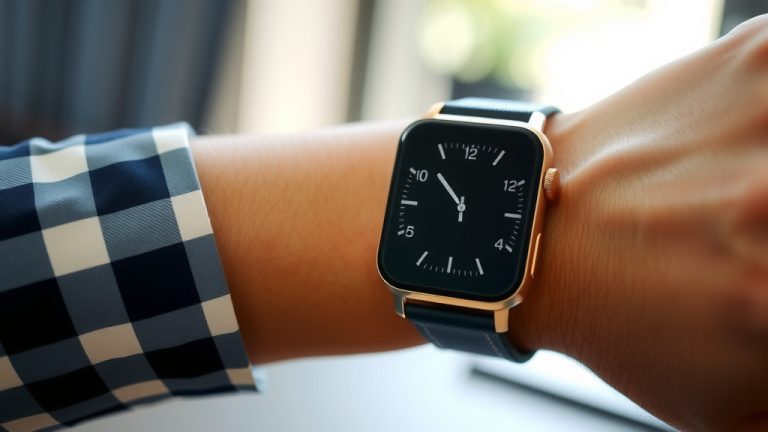
Even if you’re not scaling mountains, a larger smartwatch screen can be incredibly convenient. Think about checking emails, reading text messages, or even using apps. A bigger display makes these tasks much more manageable. Apple’s larger Apple Watch models, for example, offer a noticeably bigger screen compared to their smaller counterparts, making interaction smoother.
We’ve also seen brands like TicWatch offer models with larger displays, catering to users who want a more prominent watch face and easier interaction with apps and notifications. It really comes down to personal preference and how you plan to use your smartwatch.
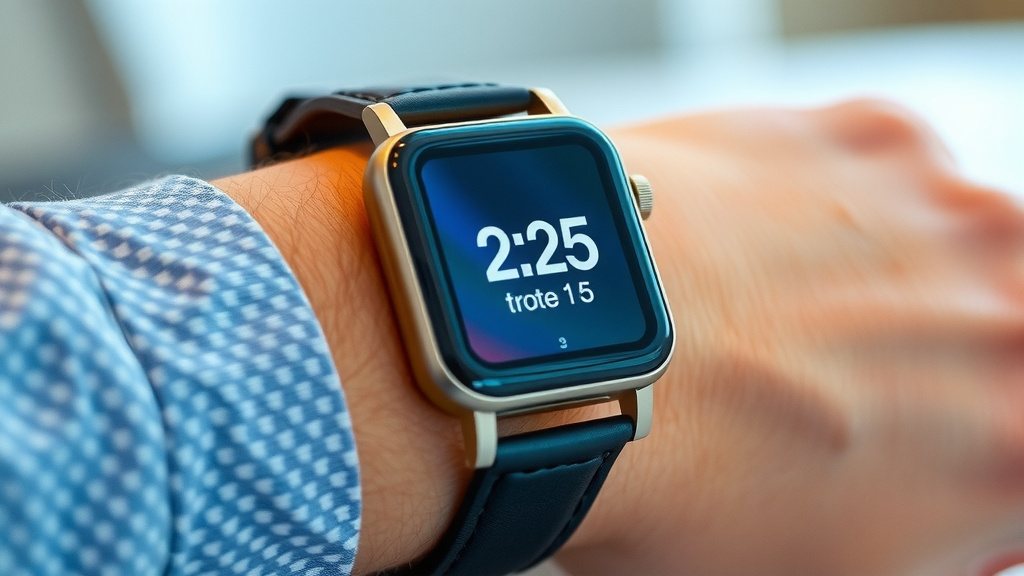
Considering Overall Size and Wearability
While screen size is important, you also need to consider the overall dimensions of the watch case. A watch with a huge screen might feel cumbersome on a smaller wrist. We found that users often look for a balance between screen real estate and comfortable wearability throughout the day and night.
Here’s a quick comparison of how screen and case sizes can vary:
| Smartwatch Model (Example) | Approx. Case Diameter | Approx. Screen Diagonal | Bezel Size Factor |
|---|---|---|---|
| Garmin Fenix Series (Larger Model) | 51mm | 1.4 inches | Moderate |
| Apple Watch Series (Larger Model) | 45mm | 1.9 inches | Slim |
| Samsung Galaxy Watch (Larger Model) | 46mm | 1.5 inches | Slim to Moderate |
As you can see, even with similar case sizes, the screen size can differ based on bezel design. It’s always a good idea to check the specific screen dimensions if that’s your top priority.
Your Checklist for Choosing a Large-Screen Smartwatch
So, when you’re on the hunt for the smartwatch with the biggest display, keep these points in mind:
- Check Screen Diagonal: Look for the actual screen size in inches.
- Assess Bezel Size: Slimmer bezels mean more screen for the watch’s footprint.
- Consider Case Diameter: Ensure the overall watch size fits your wrist comfortably.
- Read Reviews: See what other users say about display readability and usability.
- Prioritize Your Use Case: Fitness tracking? Everyday notifications? This impacts your needs.
- Look at Display Brightness: A big screen is only good if you can see it clearly outdoors.
Finding the right smartwatch is all about balancing features, size, and how it feels on your wrist. A bigger screen can definitely enhance your experience, making it easier to interact with your device and get the information you need, when you need it.
Conclusion
You’ve learned that finding the biggest smartwatch really comes down to screen size and how much display area you get for the watch’s footprint. We saw that brands focusing on fitness and outdoor activities often lead the pack with larger screens. Remember to balance that expansive display with comfortable wearability for your wrist. Before you buy, always check the screen’s diagonal measurement and how slim the bezels are. Your next step is to compare specific models based on these factors to find the perfect large-screen companion for your daily adventures and notifications.
Frequently Asked Questions
What if I have a smaller wrist but want a big screen?
You can still get a large display even with a smaller wrist! Look for smartwatches with very slim bezels. This design maximizes the screen-to-body ratio, meaning you get more screen real estate without an overly bulky watch case.
Are larger smartwatches always heavier?
Not necessarily. While some larger watches might be heavier due to bigger batteries or more robust materials, many prioritize lightweight designs. Check product specifications for weight, as materials like titanium or certain plastics can keep the overall heft down.
How do I know if a large smartwatch screen is actually readable outdoors?
Beyond screen size, look for information on display brightness, often measured in nits. A higher nit rating generally means better visibility in direct sunlight. Reviews often highlight outdoor readability, so check those before making a decision.
Do bigger smartwatches drain batteries faster?
Generally, yes, a larger screen requires more power. However, manufacturers are constantly improving battery technology. Many larger smartwatches now come with bigger batteries to compensate, and advanced power-saving modes can help extend life.
Can I find a large-screen smartwatch that doesn’t look too bulky for casual wear?
Absolutely. While many fitness watches have larger, more rugged designs, you can find stylish smartwatches with generous displays too. Brands like Samsung and Apple offer larger models that are designed to be sleek and suitable for everyday wear alongside their fitness-focused counterparts.