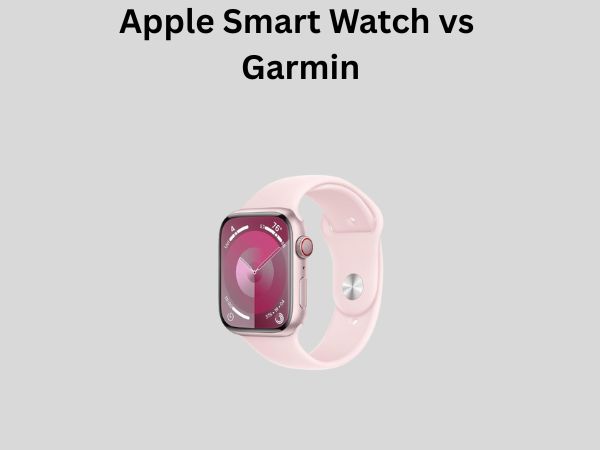
Apple Smart Watch vs Garmin: Which Smartwatch Fits Your Lifestyle?
When you’re standing in front of your computer screen trying to decide between an Apple Watch and a Garmin smartwatch, you’re not just picking a device—you’re choosing a companion for your wrist that’ll influence how you track your health, stay connected, and manage your daily routine. I get it. The decision feels overwhelming because both brands have earned their stellar reputations, and honestly, they each excel in different areas.
Let me walk you through this journey together. By the end of this article, you’ll have a crystal-clear understanding of which smartwatch actually aligns with your lifestyle, budget, and priorities.
Understanding the Two Powerhouses
Before we dive into the nitty-gritty comparisons, let’s establish what we’re really talking about here. Apple and Garmin represent two completely different philosophies when it comes to wearable technology. Apple Watch is the tech-forward, lifestyle-focused device that integrates seamlessly into the Apple ecosystem. Garmin, on the other hand, is the athlete’s and adventurer’s choice, built with rugged durability and sports performance at its core.
The Apple Watch Philosophy
Apple Watch is designed for the person who wants their smartwatch to do everything—from tracking your morning jog to sending quick replies without pulling out your phone. It’s sleek, sophisticated, and it plays beautifully with your iPhone, Mac, and other Apple devices. Think of it as the Swiss Army knife of smartwatches, except it actually looks good doing it.
The Garmin Philosophy
Garmin watches are engineered for performance. Whether you’re a marathon runner, a weekend hiker, or a triathlete preparing for your next big event, Garmin speaks your language. These watches are built tough, feature extensive fitness tracking capabilities, and can run for days or even weeks on a single charge.
Display Quality and Design Aesthetics
Apple Watch Display Technology
The Apple Watch features a vibrant, responsive OLED display that’s genuinely a pleasure to look at. The screen is bright, the colors pop, and the interaction feels smooth because, well, it’s powered by Apple’s custom processors. You’ll love how the display adjusts its brightness based on your environment, and the always-on feature means you can glance at the time without raising your wrist too obviously during a meeting.
However, there’s a trade-off. That gorgeous display is a power hog. You’re looking at daily charging requirements, which might be inconvenient if you’re someone who likes to wear your watch 24/7.
Garmin Display Options
Garmin offers different display technologies depending on the model. Some use traditional LCD screens that are less flashy but incredibly power-efficient, while their newer models feature AMOLED displays that offer better visuals without sacrificing battery life as dramatically. The displays might not be as vibrant as Apple’s, but they’re certainly legible and practical.
The real win with Garmin’s display? It’s readable in direct sunlight, and you won’t need to recharge every single day. Some Garmin watches can last for weeks, which is genuinely liberating if you’re traveling or on extended outdoor adventures.
Design and Build Quality
Apple Watch comes in multiple finishes—aluminum, stainless steel, and titanium—with various band options. It’s undeniably elegant and looks at home in both boardrooms and yoga studios. The device feels premium, and Apple’s ecosystem of bands and accessories is extensive.
Garmin watches tend toward a sportier aesthetic. They’re bulkier, more rugged, and they announce their purpose. That said, Garmin has introduced lifestyle-focused models that look more refined, so you’re not limited to the “obvious sports watch” appearance anymore.
Fitness Tracking Capabilities
Apple Watch Fitness Features
The Apple Watch tracks your workouts with impressive accuracy. You get heart rate monitoring, VO2 max estimates, sleep tracking, and detailed workout metrics. The Fitness app integrates beautifully with the Health app, creating a comprehensive picture of your wellness.
Where Apple really shines is in workout variety recognition. The watch can automatically detect when you’ve started running, walking, swimming, or cycling. It’s like having a personal trainer who’s always paying attention.
- Heart rate monitoring with irregular rhythm notifications
- ECG app for advanced heart health tracking
- Blood oxygen level monitoring
- Temperature sensing (newer models)
- Automatic workout detection
- Swim tracking with water resistance
Garmin Fitness Features
Now, if you’re serious about fitness, Garmin might just be your perfect match. These watches were literally designed for athletes and outdoor enthusiasts. You get sport-specific metrics that Apple Watch doesn’t even track. Want to know your ground contact time during running? Your cadence? Your training load? Garmin’s got it all.
The fitness tracking on Garmin goes absurdly deep. We’re talking about advanced metrics for dozens of sports, something called Training Status that tells you if you’re overtraining, and recovery recommendations that are actually useful.
- Sport-specific metrics for 100+ activities
- Training Load and Recovery Time calculations
- Advanced running dynamics
- Estimated sweat loss and hydration reminders
- Altitude acclimatization tracking
- Training Effect analysis
- Body Battery energy level tracking
Battery Life Comparison
Apple Watch Battery Reality
Let’s be honest about Apple Watch battery life—it typically lasts about 18 hours. That means you’re charging it daily, and if you’re a heavy user, you might see it drop below that. It’s not a deal-breaker for most people because you probably charge your phone every night anyway, right? But it does mean you can’t wear it continuously for sleep tracking without some planning.
Garmin Battery Performance
Garmin’s battery life is frankly in a different league. Depending on the model and usage, you’re looking at anywhere from 5 to 14 days, with some rugged models pushing even beyond that. Certain Garmin watches can last weeks in battery saver mode. This is genuinely transformative for people who want to leave their watch alone and forget about charging it.
If battery life is important to you—and let’s face it, it often is—Garmin absolutely dominates this category.
Smartwatch Features and Connectivity
Apple Watch Connectivity
The Apple Watch is a true extension of your iPhone. You can receive notifications, answer calls, send messages, and control your music directly from your wrist. If you live in the Apple ecosystem, this is genuinely convenient. The integration with Siri lets you use voice commands naturally, and you can even make payments with Apple Pay.
The watch also connects seamlessly to AirPods, allowing you to take calls or listen to music without your phone. For iPhone users, the experience is incredibly cohesive.
Garmin Connectivity
Garmin watches handle notifications and basic connectivity, but they’re less deeply integrated into your smartphone experience. You’ll get notifications, but your interaction options are more limited. That said, Garmin focuses its connectivity on what matters to fitness-oriented users—syncing with training apps, sharing activities on social networks, and connecting to fitness platforms like Strava.
Where Garmin shines is in its compatibility. It works with both iOS and Android, making it the more universal choice if you’re not exclusively in one ecosystem.
Health Monitoring Capabilities
Apple Watch Health Features
Apple Watch includes built-in health sensors that monitor your heart rate, blood oxygen, and can perform an ECG. The blood oxygen feature is useful for detecting potential issues, and the irregular heart rhythm notifications have actually helped people catch serious conditions. It’s healthcare-adjacent functionality that feels genuinely valuable.
The watch also tracks your daily movement through Activity rings, which gamify your fitness journey in a way that’s proven effective for motivation.
Garmin Health Monitoring
Garmin watches include similar heart rate and blood oxygen monitoring, but they add their own unique features like Body Battery, which measures your daily energy levels and recommends when to rest or push harder. They also track sleep more comprehensively, providing detailed breakdowns of REM, light, and deep sleep stages.
For people interested in health optimization and recovery science, Garmin’s approach feels more sophisticated and data-driven.
Ecosystem Integration
Apple’s Ecosystem Advantage
If you own an iPhone, iPad, Mac, and AirPods, the Apple Watch is like the glue that holds everything together. Siri works across all devices, you can unlock your Mac with your watch, and health data syncs automatically to your Health app. It’s an ecosystem designed to work together, and it genuinely does.
Garmin’s Third-Party Flexibility
Garmin works with pretty much everything. Android phones, iPhones, various fitness apps, and training platforms all play nicely with Garmin watches. This flexibility is huge if you’re not deeply committed to a single brand ecosystem.
Price Considerations
Apple Watch Pricing
Apple Watch starts around $249 for the base model and can go well beyond $800 for premium titanium versions. The newer generations are consistently priced similarly, and you’ll be investing in the Apple ecosystem overall.
Garmin Pricing
Garmin offers a wider price range. You can find capable sports watches for under $200, while their flagship multisport watches can reach $600 or more. This variety means you can often find a Garmin that matches your needs and budget more precisely.
Water Resistance and Durability
Both the Apple Watch and Garmin watches are water-resistant. Apple Watch is rated for water resistance up to 50 meters (suitable for swimming), while Garmin watches typically offer the same or better water resistance depending on the model.
However, Garmin’s reputation for durability runs deeper. These watches are designed to survive falls, rough conditions, and extended outdoor use without complaint. Apple Watch is durable, but it feels more like a tech device that happens to be waterproof, whereas Garmin watches feel purpose-built for punishment.
Software Experience and Updates
WatchOS Features
Apple’s watchOS is intuitive and powerful. It’s built specifically for the wrist, with gesture-based navigation and a focus on glanceable information. Updates are frequent, and you always get the latest features rolled out to your device.
Garmin OS and Connect IQ
Garmin’s operating system is more straightforward and less flashy, but it’s highly responsive. The Connect IQ platform allows developers to create apps and watch faces, giving you customization options. Garmin watches also receive regular updates that improve functionality over time.
Use Cases: Who Should Choose What?
Choose Apple Watch If You:
- Own an iPhone and want seamless integration with your device
- Prioritize an elegant design suitable for formal settings
- Want comprehensive smartwatch features beyond fitness
- Enjoy having the latest technology and frequent software updates
- Don’t mind charging your watch daily
- Want a watch that doubles as a fashion accessory
Choose Garmin If You:
- Are a serious athlete or fitness enthusiast
- Need detailed, sport-specific performance metrics
- Want exceptional battery life
- Spend significant time outdoors
- Use both iPhone and Android devices
- Value durability and rugged design
- Want comprehensive health data and recovery recommendations
Comparing Real-World Usage Scenarios
Weekend Runner Scenario
If you’re a casual weekend runner who also wants to stay connected and receive work notifications, the Apple Watch is probably your better bet. It tracks your runs accurately, keeps you connected, and looks appropriate during the week at the office.
However, if you’re training for a marathon and want detailed pace data, cadence, and personalized training recommendations, Garmin wins this comparison hands down.
Hiking and Outdoor Adventure Scenario
For outdoor adventures, Garmin is the clear winner. Its superior battery life means you can spend an entire weekend hiking without worrying about charging. The GPS accuracy and trail mapping features are specifically designed for outdoor navigation.
Daily Lifestyle and Work Scenario
If you’re mostly interested in staying connected, managing notifications, and having a stylish watch that looks good with business attire, the Apple Watch is more suitable.
The Verdict: Making Your Decision
Choosing between Apple Watch and Garmin ultimately comes down to your priorities. Ask yourself these questions:
What matters most to you? If the answer is fitness tracking and performance metrics, Garmin is your answer. If you want a complete smartwatch experience with excellent notifications and ecosystem integration, Apple wins.
How important is battery life? Apple Watch requires daily charging. Garmin can go weeks. This alone might determine your choice.
Are you locked into an ecosystem? All-in with Apple? The Watch is natural. Using both iPhone and Android? Garmin is more flexible.
What’s your budget? Both brands offer options across various price points, but Garmin tends to offer better value if you’re budget-conscious.
I’ll be straightforward with you: there’s no objectively “better” smartwatch. There’s only the better one for your specific life. The Apple Watch is an incredible device for the right person. Garmin is equally impressive for a different person.
Conclusion
The battle between Apple Watch and Garmin isn’t about which company makes a better smartwatch—both are excellent in their domains. The Apple Watch reigns supreme for iPhone users who want a sophisticated, feature-rich smartwatch that integrates beautifully with their tech ecosystem and looks elegant doing it. Garmin dominates for fitness enthusiasts, athletes, and outdoor adventurers who need advanced performance metrics, exceptional battery life, and rugged durability.
Before you click buy, think about your actual daily life. What would you wear your smartwatch for most often? Where will you use it? What information do you genuinely need on your wrist? Once you honestly answer these questions, the right choice becomes obvious. Both watches will serve you well if you choose the one aligned with how you actually live, not how you think you should live. That’s the real secret to smartwatch satisfaction.
Frequently Asked Questions
Can Apple Watch and Garmin watches track the same types of workouts?
Both smartwatches track running, cycling, swimming, and other common exercises. However, Garmin tracks significantly more sport types (over 100 activities) with detailed sport-specific metrics, while Apple Watch focuses on the most common workouts with broader tracking capabilities. If you participate in niche sports or want advanced metrics like ground contact time or cadence, Garmin provides more detail.
![7 Best Smart Watch For Scuba Diving [2026]](https://smartwatchbest.com/wp-content/uploads/2026/09/7-best-smart-watch-for-scuba-diving-2026-featured-768x432.jpg)