
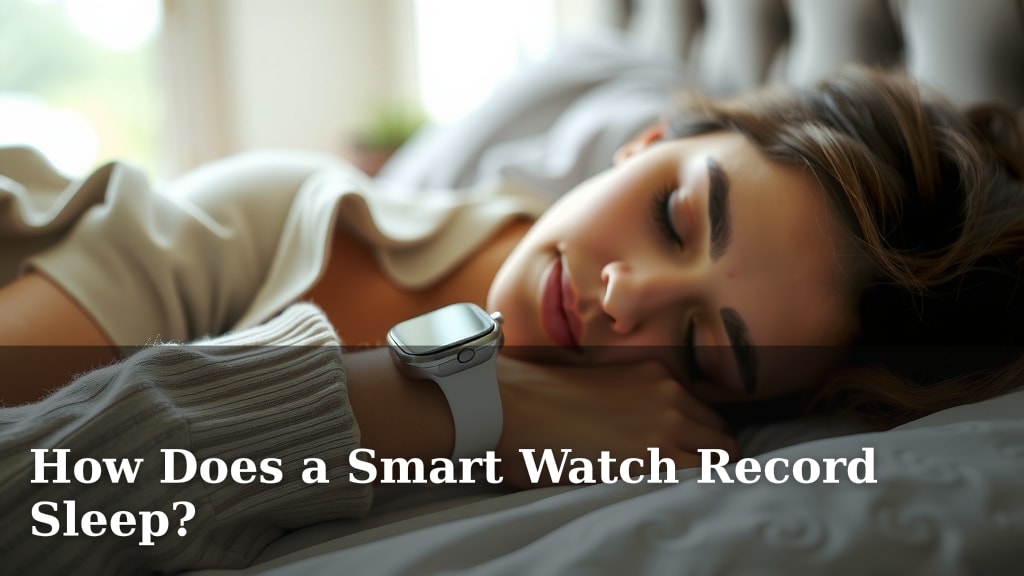
How Does a Smart Watch Record Sleep?
Your smartwatch records sleep by using sensors to track your body’s movements and heart rate. These sensors gather data throughout the night. Your watch then uses algorithms to interpret this information and estimate your sleep stages. It’s a clever way to understand your rest without a sleep lab!
Smartwatches can tell the difference between being awake, in light sleep, deep sleep, and REM sleep. They use your heart rate variability, or the tiny changes in the time between your heartbeats. This, along with your movement patterns, helps paint a picture of your sleep quality. It’s like having a mini sleep detective on your wrist!
- Smartwatches use sensors for sleep tracking.
- Movement and heart rate data are key.
- Algorithms analyze this data into sleep stages.
- It helps you understand your sleep patterns better.
Let’s dive into how your watch actually pulls off this nightly feat. We’ll break down the technology and what it means for you.
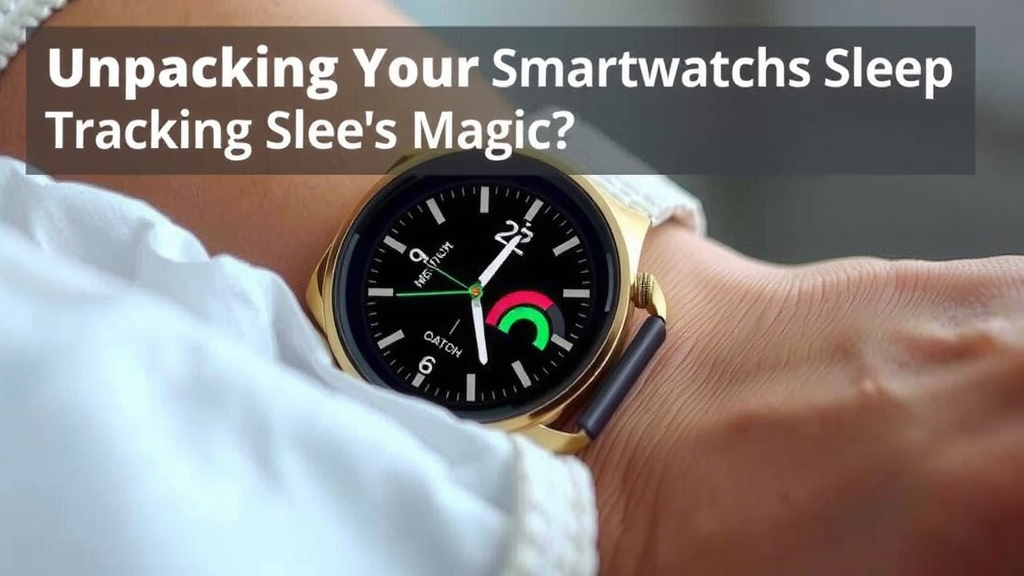
Unpacking Your Smartwatch’s Sleep Tracking Magic
Ever wake up and glance at your wrist, curious about how much shut-eye you actually got? Your smartwatch is more than just a timepiece; it’s a mini sleep detective. It uses a blend of clever technology to gather data while you snooze. We’ll break down exactly what’s happening behind the scenes to give you those sleep stage breakdowns.
How Your Smartwatch Gathers Sleep Data
The primary way your smartwatch collects sleep information is through its built-in sensors. Think of them as tiny data collectors working through the night. They are always on the lookout for specific signals from your body. These sensors are quite sophisticated, capturing subtle changes you wouldn’t even notice.
The Role of Accelerometers and Gyroscopes
You might be surprised to learn that the same sensors that track your steps also help track your sleep. These are called accelerometers and gyroscopes. They detect your body’s movement. When you toss and turn, these sensors pick it up. They can even sense when you’re completely still. This motion data is a key piece of the puzzle for understanding your sleep.
Researchers found that movement patterns are a strong indicator of sleep stages. For example, very little movement usually means you’re in a deeper sleep. Lots of tossing and turning might suggest lighter sleep or even being awake. This is why keeping your watch snug on your wrist is important for accurate readings.
Heart Rate Monitoring: The Hidden Clue
Your heart rate tells a fascinating story about your body’s state. While you sleep, your heart rate naturally slows down. Different sleep stages have distinct heart rate patterns. Light sleep might show a slightly lower heart rate. Deep sleep will have an even slower, more regular beat. REM sleep, however, can show a more variable heart rate.
Many smartwatches use optical heart rate sensors. These sensors shine light onto your skin. They then measure how much light is absorbed or reflected. This allows them to calculate your pulse. This data, combined with movement, gives a much clearer picture of your sleep.
What About Heart Rate Variability (HRV)?
Beyond just your heart rate, your watch might also look at Heart Rate Variability (HRV). HRV isn’t about how fast your heart is beating, but rather the tiny variations in the time *between* each heartbeat. It might sound small, but these changes are controlled by your autonomic nervous system. This system manages things like stress and rest.
When you are in deep sleep, your HRV tends to be higher and more consistent. This indicates your body is in a restorative state. During lighter sleep or REM sleep, your HRV might be lower or more erratic. Researchers have found HRV to be a useful metric for assessing sleep quality and recovery (NCBI). Your smartwatch uses this data to help differentiate sleep stages.
From Raw Data to Sleep Stages: The Algorithm’s Role
So, your watch has collected all this data – movement, heart rate, and HRV. Now what? This is where the algorithms come in. These are complex sets of rules and calculations programmed into your watch or its companion app. They take all that raw sensor data and interpret it.
How Algorithms Interpret Your Sleep
Think of the algorithm as a translator. It translates the numbers from your sensors into something you can understand: your sleep stages. The algorithms have been trained on massive datasets of sleep information. They’ve learned what patterns typically correspond to different stages of sleep.
For example, a period of very little movement, combined with a slow and steady heart rate, is likely classified as deep sleep. Brief movements and a slightly higher, more variable heart rate might indicate light sleep. Periods of muscle atonia (stillness) with a faster, more irregular heart rate are often associated with REM sleep. Waking periods are usually detected by significant movement and a higher heart rate.
Understanding Different Sleep Stages
It’s helpful to know what these stages actually mean for your body:
- Awake: You’re obviously not asleep here! Your watch detects this by significant movement and a heart rate consistent with being active.
- Light Sleep: This is the stage where you drift off. Your heart rate and breathing start to slow. Your body prepares for deeper rest. It’s easy to be woken from this stage.
- Deep Sleep: This is your body’s most restorative stage. Your muscles repair, and your body conserves energy. It’s crucial for feeling refreshed.
- REM Sleep (Rapid Eye Movement): This is when most dreaming occurs. Your brain activity increases, and your eyes move rapidly. It’s important for cognitive functions like memory and learning.
Accuracy and Limitations
While smartwatches have become remarkably good at tracking sleep, it’s important to remember they aren’t medical-grade devices. They provide an estimation of your sleep stages. Clinical sleep studies use polysomnography (PSG), which measures brain waves, eye movements, and muscle activity in much greater detail.
However, for most people, the data from a smartwatch is sufficient to understand general sleep patterns. It can help you identify trends, see how lifestyle changes affect your rest, and spot potential issues. Many health professionals suggest that smartwatch data can be a good starting point for discussions about sleep health (Cleveland Clinic).
Putting Your Sleep Data to Work
Now that you know how your smartwatch tracks your sleep, you can start using that information. Seeing your sleep stages and overall duration can be eye-opening. It might help you understand why you feel tired or refreshed on certain days.
Tips for Better Sleep Tracking
To get the most accurate sleep data from your smartwatch, try these tips:
- Wear it consistently: Wear your watch every night to build a reliable data set.
- Ensure a snug fit: A watch that’s too loose might not get accurate heart rate readings.
- Charge it: Make sure your watch has enough battery life to last the whole night.
- Keep it clean: A clean watch band and sensor area ensure better skin contact.
- Use the companion app: Regularly check the app for trends and insights.
Interpreting Your Sleep Score
Most smartwatch apps provide a “sleep score” or summary. This score often takes into account how long you slept, the amount of time you spent in each sleep stage, and any disruptions. It’s a simple way to get a quick overview of your night’s rest. Don’t obsess over a single night’s score, though. Look for trends over weeks or months.
If you consistently see low scores or feel tired despite your watch saying you slept well, it might be time to talk to a doctor. They can help you explore underlying causes for sleep issues.
Conclusion
Your smartwatch is a surprisingly capable tool for understanding your sleep. By using sensors to track movement, heart rate, and heart rate variability, it gathers data throughout the night. Sophisticated algorithms then translate this raw information into your sleep stages, giving you a clearer picture of your rest.
While not a medical device, this data can help you spot trends and make lifestyle adjustments. Start by consistently wearing your watch and checking your companion app. Use these nightly reports as a guide to improve your sleep habits and wake up feeling more refreshed.
Frequently Asked Questions
Can my smartwatch really tell the difference between deep and light sleep?
Yes, your smartwatch uses patterns in your movement and heart rate to estimate different sleep stages. Less movement and a slower heart rate often indicate deeper sleep, while more movement can suggest lighter sleep.
How accurate are smartwatch sleep trackers compared to a doctor’s sleep study?
Smartwatch trackers provide an estimation of your sleep stages, which is generally good for understanding trends. However, they are not as detailed as medical sleep studies that measure brain waves and other physiological signals.
Why is my heart rate important for tracking sleep?
Your heart rate naturally slows down during sleep, and different sleep stages have distinct heart rate patterns. This data, combined with movement, helps your watch differentiate between being awake, in light sleep, deep sleep, or REM sleep.
What is Heart Rate Variability (HRV) and why does my watch track it?
HRV measures the small variations between heartbeats, indicating your autonomic nervous system’s activity. Higher, more consistent HRV during sleep often suggests your body is in a restorative state, helping your watch assess sleep quality.
What should I do if my smartwatch says I slept well, but I still feel tired?
If you consistently feel tired despite your watch indicating good sleep, it’s best to consult with a doctor. They can help investigate potential underlying causes for your fatigue beyond what a smartwatch can detect.
![7 Best Army Smart Watch [2026]](https://smartwatchbest.com/wp-content/uploads/2026/06/7-best-army-smart-watch-2026-featured-768x432.jpg)
![7 Best Budget Smart Watch For Iphone [2026]](https://smartwatchbest.com/wp-content/uploads/2026/08/7-best-budget-smart-watch-for-iphone-2026-featured-768x432.jpg)