
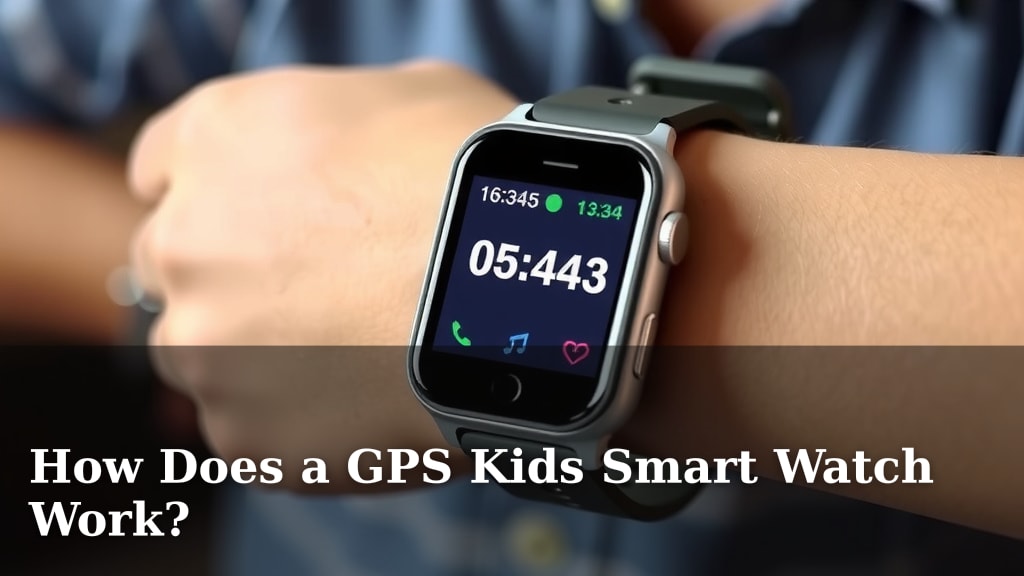
How Does a GPS Kids Smart Watch Work?
A GPS kids smartwatch works by combining satellite signals with a cellular connection and a built-in GPS chip. This allows it to track your child’s location and send that information right to your smartphone. Think of it as a tiny, kid-friendly tracking device with communication features.
These smartwatches are designed for peace of mind. They often include features like two-way calling and SOS alerts, so you can reach your child or they can reach you in an emergency. Many parents find them a great way to stay connected without giving kids a full smartphone too early.
- GPS connects to satellites for location.
- Cellular data sends the location to your phone.
- Features include calling and SOS buttons.
- Works like a mini, connected tracking device.
- Designed for parent peace of mind.
Let’s walk through exactly how these clever gadgets keep your little ones accounted for and connected.
Understanding Your Child’s GPS Smartwatch Technology
So, you’re curious about the magic behind those GPS kids smartwatches? It’s a smart blend of familiar tech, put to good use for your child’s safety and your peace of mind. Think of it like a tiny superhero on your child’s wrist, powered by satellites and cell signals.
The Heart of the Matter: GPS and Satellites
At its core, your child’s smartwatch uses Global Positioning System (GPS) technology. You’ve probably heard of GPS for your car navigation, right? It works the same way. The watch has a GPS chip that listens for signals from a network of satellites orbiting Earth. These signals bounce back, and the chip calculates your child’s exact position. It’s like having a personal mapmaker on your child’s wrist.
This satellite connection is essential for knowing where your child is. It’s accurate down to a few meters, which is pretty impressive for something so small. The watch constantly checks its location, sending this data out so you can see it.
Connecting the Dots: Cellular and Wi-Fi
Now, just knowing the location isn’t enough. How does that information get to your phone? That’s where cellular data and Wi-Fi come in. Most GPS kids smartwatches have a SIM card, just like a phone. This allows them to connect to a cellular network.
When the watch determines your child’s location via GPS, it uses its cellular connection to send that data. It travels over the mobile network to a server. This server then communicates with the dedicated app on your smartphone. So, you see your child’s location on a map in real-time. It’s a quick relay race of information.
Some watches also utilize Wi-Fi. If your child is at home or a place with a known Wi-Fi network, the watch might use that connection instead of cellular data. This can be helpful for saving battery or if cellular service is spotty. It’s another way the watch stays connected and keeps you informed about your child’s whereabouts.
Beyond Location: Communication Features
But these watches are more than just trackers. They often include communication tools that allow you to stay in touch. This is a big reason why parents choose them.
Two-Way Calling
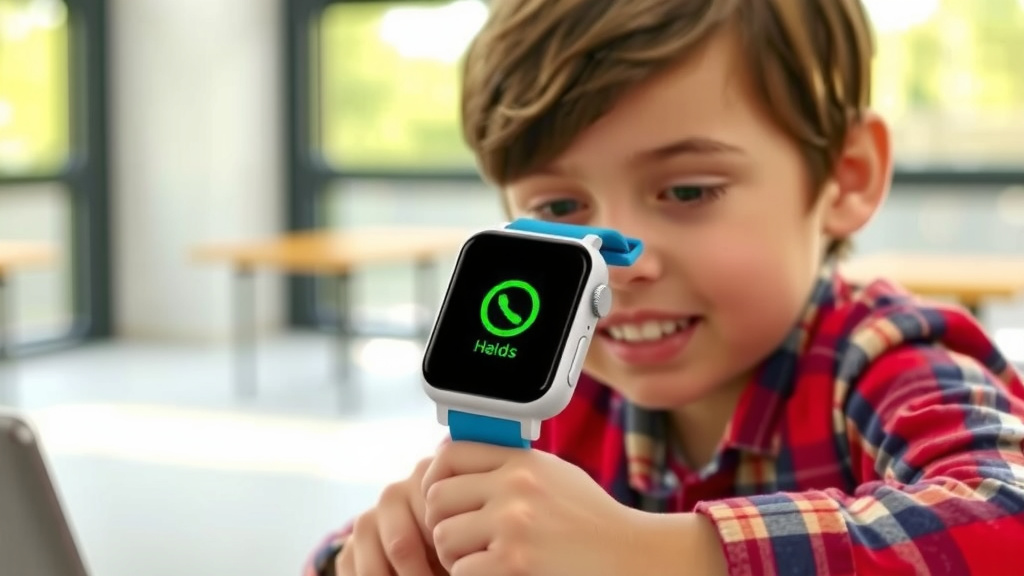
Many GPS kids smartwatches offer two-way calling. You can typically set up a list of approved contacts in the app. Your child can then call these numbers directly from their watch. Likewise, you can call their watch from your smartphone. It’s a simple way for them to reach you, or for you to check in without needing a full phone.
Voice and Text Messaging
Some models also support basic voice or text messaging. Your child might be able to send short voice messages to your phone. You might be able to send text messages to their watch. This keeps communication straightforward and age-appropriate for younger kids.
SOS Alerts for Emergencies
A standout feature is the SOS button. If your child feels unsafe or needs immediate help, they can press and hold this button. The watch will then immediately send an alert to pre-selected contacts, often including their current location. Some watches even start calling emergency contacts automatically. This can provide quick reassurance in unexpected situations.
The Parent App: Your Command Center
The real magic happens on your end, with the companion smartphone app. This app is your gateway to managing the watch and monitoring your child. It’s designed to be intuitive and easy to use.
Real-Time Location Tracking
The app displays your child’s location on a map. You can often see their location history too. This lets you know where they’ve been throughout the day. It’s like having a digital leash, but a much more advanced and less embarrassing one!
Setting Up Safe Zones (Geofencing)
A really useful feature is geofencing. You can set up virtual boundaries on the map, like your home, school, or a friend’s house. When your child enters or leaves these designated “safe zones,” you receive an alert on your phone. This is incredibly helpful for knowing they’ve arrived safely at their destination.
Managing Contacts and Settings
Through the app, you control who your child can call and who can call them. You can also adjust other settings, like alarm times or activity goals. It puts you firmly in control of the watch’s functions.
Powering the Watch: Battery and Data
All this technology requires power. GPS and cellular connections do use battery life. Most kids’ smartwatches are designed to last a full day on a single charge with moderate use. Some parents find they need to charge it nightly to ensure it’s ready for the next day.
The cellular connection also means the watch needs a data plan. This is usually handled through a subscription service tied to the watch. You’ll typically pay a monthly fee, similar to a basic mobile plan. This covers the cost of the data used to send location information and enable calls.
A Quick Summary of How It All Connects
Let’s break down the journey of your child’s location data in simple steps:
- GPS Chip: Receives signals from satellites to pinpoint the watch’s location.
- Cellular/Wi-Fi: Uses a mobile network or Wi-Fi to send this location data.
- Server: Receives the data and processes it.
- Smartphone App: Displays the location on your phone in real-time.
- Two-Way Communication: Enables calls and messages between the watch and approved contacts.
- SOS Feature: Allows for quick alerts to designated contacts in emergencies.
Is It Worth It? Weighing the Benefits
Many parents research these watches because they want to give their children a bit more independence while maintaining a safety net. It’s about finding that balance.
Research suggests that parental monitoring tools can indeed provide peace of mind (Pew Research Center). Having a direct line of communication and knowing your child’s whereabouts can ease anxiety, especially for younger children or when they start walking to school or a friend’s house. It’s a tool that helps you stay connected without the full digital world of a smartphone.
Consider this a snapshot of how these devices function. They are sophisticated, yet designed for simplicity on both the child’s and the parent’s end. The technology aims to blend safety with a touch of modern connectivity for your child.
Conclusion
You’ve learned how a GPS kids smartwatch combines satellite technology with cellular networks to keep you connected to your child. It’s a smart blend of location tracking, two-way communication, and emergency alerts. The companion app acts as your command center, offering real-time location and safe zone notifications. This technology offers a balanced approach to independence and safety for your child. If you’re considering one, think about your child’s needs and what features will give you the most peace of mind.
Frequently Asked Questions
Do these watches need a data plan?
Yes, most GPS kids smartwatches require a data plan. This is because they use cellular networks to send location data and enable calls. You’ll typically pay a monthly fee for this service, similar to a basic phone plan.
How accurate is the GPS tracking?
The GPS tracking on these watches is generally very accurate, often within a few meters. It relies on signals from orbiting satellites. Factors like being in dense buildings or underground can slightly affect accuracy.
Can my child call anyone they want?
No, typically your child can only call a pre-approved list of contacts. You set up this list through the parent app on your smartphone. This prevents them from calling unknown numbers.
What happens if my child gets lost or is in danger?
Most watches have an SOS button. When pressed, it sends an immediate alert to your phone and can even start calling emergency contacts. This feature is designed for quick help in critical situations.
How long does the battery usually last?
Battery life varies by model and usage. Most GPS kids smartwatches can last a full day on a single charge with normal use. It’s a good idea to charge it nightly to ensure it’s ready for the next day.
![7 Best Digital Smart Watch For Men [2026]](https://smartwatchbest.com/wp-content/uploads/2026/08/7-best-digital-smart-watch-for-men-2026-featured-768x432.jpg)
![7 Best Sleep Tracking Smart Watch [2026]](https://smartwatchbest.com/wp-content/uploads/2026/08/7-best-sleep-tracking-smart-watch-2026-featured-768x432.jpg)
![7 Best Smart Watch For Beginners [2026]](https://smartwatchbest.com/wp-content/uploads/2026/08/7-best-smart-watch-for-beginners-2026-featured-768x432.jpg)