How Does a Smart Watch Measure REM Sleep?
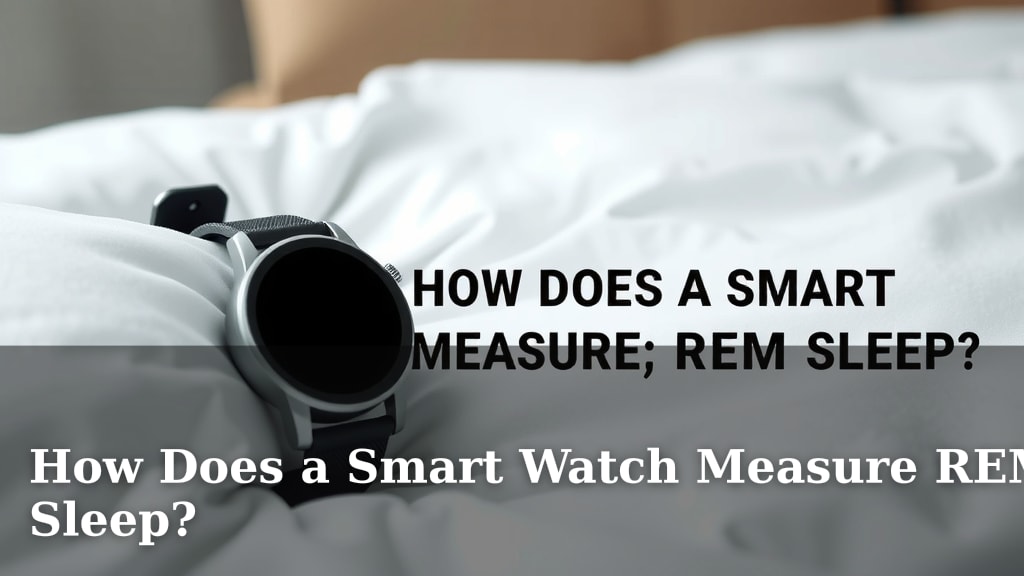
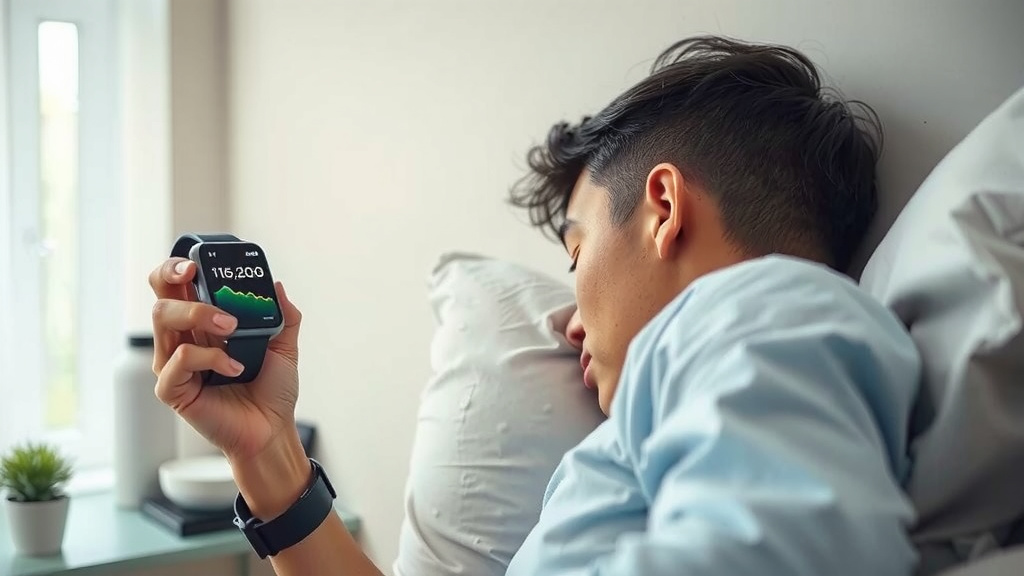
Your smartwatch measures REM sleep by tracking your heart rate and movement. It looks for specific patterns associated with this light sleep stage. When your heart rate slows and your body becomes still, it’s a strong indicator of REM sleep.
While not as precise as a clinical sleep study, your wearable device uses advanced algorithms to estimate your sleep cycles. It analyzes this data over the course of the night. You can get a good general idea of your sleep quality.
- Smartwatches use your heart rate and movement.
- Slow heart rate and stillness suggest REM sleep.
- Algorithms analyze these patterns to estimate sleep stages.
- It’s a helpful tool for understanding your sleep.
Let’s dive deeper into how your trusty smartwatch helps you understand your nightly REM sleep. We’ll break down the science behind it!
Understanding Your Smartwatch’s Sleep Tracking: Focus on REM
You might be wondering how that little device on your wrist actually figures out when you’re in REM sleep. It’s pretty neat, really! Your smartwatch uses sensors to pick up on a few key bodily signals. These signals are then fed into clever algorithms. Those algorithms help it guess which sleep stage you’re in.
How Your Smartwatch Detects Sleep Stages
Think of your smartwatch as a tiny detective for your sleep. It can’t actually go inside your brain to see what’s happening. Instead, it relies on what it can measure from the outside. The main things it watches are your heart rate and your movement. These two clues are surprisingly good at telling the story of your sleep cycles.
Movement: The Body’s Stillness Signal
During deep sleep, your body is usually very still. You’re not tossing and turning much. As you move into lighter stages like REM, your body might start to shift a bit more. However, REM sleep is also known for a temporary muscle paralysis. This means you won’t be acting out your dreams. So, your watch looks for periods of relative stillness. This stillness, combined with other data, helps it identify potential REM sleep.
Heart Rate: A Rhythmic Clue
Your heart rate changes throughout the night. When you’re in deep sleep, your heart rate is typically at its lowest. As you enter lighter sleep stages and especially REM sleep, your heart rate can become more variable. It might speed up and slow down. Researchers have found that heart rate variability increases during REM sleep. Your smartwatch’s optical sensor can track these changes. It measures how much blood is flowing through your wrist.
The Science Behind the Estimation
So, how does your watch put these pieces together? It uses what experts call actigraphy and heart rate monitoring. Actigraphy is a fancy word for tracking movement. It usually uses an accelerometer, which is like a tiny motion sensor.
Combining Movement and Heart Rate Data
When your smartwatch detects a period of low movement and a heart rate pattern that suggests increased variability or a slightly slower pace, it starts to lean towards REM sleep. Conversely, very low heart rate and minimal movement might point to deep sleep. Periods of lighter sleep often show more movement and a heart rate that’s somewhere in between.
The Role of Algorithms
It’s not just about raw data. Your smartwatch runs this data through sophisticated algorithms. These are sets of rules and calculations designed to interpret sleep patterns. These algorithms are trained on data from people who have undergone clinical sleep studies. This helps them learn to recognize the unique signatures of different sleep stages.
| Sleep Stage | Typical Heart Rate | Movement Level | What Your Watch Detects |
|---|---|---|---|
| Awake | Variable, higher | High | Lots of movement, elevated heart rate. |
| Light Sleep | Slowing down, some variability | Moderate | Less movement than awake, heart rate dropping. |
| Deep Sleep | Slowest, most regular | Very Low | Minimal movement, lowest heart rate. |
| REM Sleep | Variable, can be faster than deep sleep | Very Low (but some twitching possible) | Little movement, heart rate patterns suggesting brain activity. |
What REM Sleep Is All About
REM stands for Rapid Eye Movement. This is one of the most fascinating stages of sleep. It’s when most of your dreaming occurs. Your brain activity actually looks very similar to when you’re awake during REM sleep. That’s why your heart rate can become more active and irregular.
The Importance of REM for Your Brain
REM sleep plays a vital role in many brain functions. Research suggests it’s important for learning and memory consolidation. It helps your brain process the information and emotions from your day. Getting enough REM sleep can impact your mood, creativity, and problem-solving skills (National Institutes of Health).
How Much REM Sleep Do You Need?
Most adults spend about 20-25% of their total sleep time in REM sleep. This typically translates to about 90 to 120 minutes of REM sleep per night. Your REM sleep cycles tend to get longer as the night goes on. The first REM stage might be quite short, while the last one can be much longer.
Accuracy and Limitations of Smartwatches
While smartwatches have gotten incredibly good at tracking sleep, it’s important to remember they aren’t perfect. They are estimating your sleep stages based on indirect measurements.
Clinical Sleep Studies vs. Wearables
A polysomnography (PSG), or a clinical sleep study, is the gold standard for measuring sleep. It uses electrodes placed on your scalp and body to directly measure brain waves, eye movements, muscle activity, and more. Your smartwatch can’t do this. It’s essentially making an educated guess.
Factors That Can Affect Readings
Several things can influence how accurately your watch tracks REM sleep. How snugly you wear your watch matters. If it’s too loose, the heart rate sensor might not get a clear reading. Your personal physiology also plays a role. Some people naturally have more variable heart rates. Certain medications or health conditions could also affect the data your watch collects.
Despite these limitations, your smartwatch is still an excellent tool. It can help you spot trends in your sleep. You can see how lifestyle changes might be affecting your rest. This awareness is the first step toward improving your sleep habits!
Tips for Better Sleep Tracking and Understanding
To get the most out of your smartwatch’s sleep tracking, consider these tips:
- Wear your watch snugly but comfortably.
- Keep it charged so it can track your whole night.
- Be consistent with when you wear it.
- Review your sleep data regularly.
- Look for patterns over weeks, not just one night.
- Don’t obsess over the exact numbers. Focus on trends.
Conclusion
Your smartwatch is a clever tool for understanding your sleep patterns. By tracking your heart rate and movement, it uses sophisticated algorithms to estimate your REM sleep. While it’s not a clinical sleep study, this data can help you spot trends and understand how your daily habits affect your rest. You can see patterns over time. Remember to wear your watch snugly for the best results. Use this information to make small changes and improve your overall sleep quality. Start paying attention to your sleep data tonight!
Frequently Asked Questions
Can my smartwatch really tell me if I’m in REM sleep?
Your smartwatch makes an educated guess about REM sleep by analyzing your heart rate and movement patterns. Research has found these two factors are strong indicators of different sleep stages. While not as precise as a lab study, it provides a helpful approximation of your sleep cycles.
Why is REM sleep important for my health?
REM sleep is vital for your brain’s health and function. It plays a key role in learning, memory consolidation, and processing emotions. Getting enough REM sleep can positively impact your mood and problem-solving abilities.
What makes my heart rate change during REM sleep?
During REM sleep, your brain activity is similar to when you’re awake. This increased brain activity can cause your heart rate to become more variable and sometimes faster than in deep sleep. Your smartwatch detects these heart rate fluctuations.
Are there any health conditions that might affect my smartwatch’s sleep readings?
Yes, certain health conditions or medications can affect your heart rate and movement patterns. This might influence how accurately your smartwatch tracks REM sleep. If you have concerns, it’s best to discuss them with your doctor.
How can I improve the accuracy of my smartwatch’s sleep tracking?
To improve accuracy, ensure you wear your watch snugly but comfortably. Keep it charged throughout the night so it doesn’t miss any data. Being consistent with wearing your watch each night will also help it learn your personal sleep patterns better.

![7 Best Battery Life On Smart Watch [2026]](https://smartwatchbest.com/wp-content/uploads/2026/07/7-best-battery-life-on-smart-watch-2026-featured-768x432.jpg)